Quranic Answer
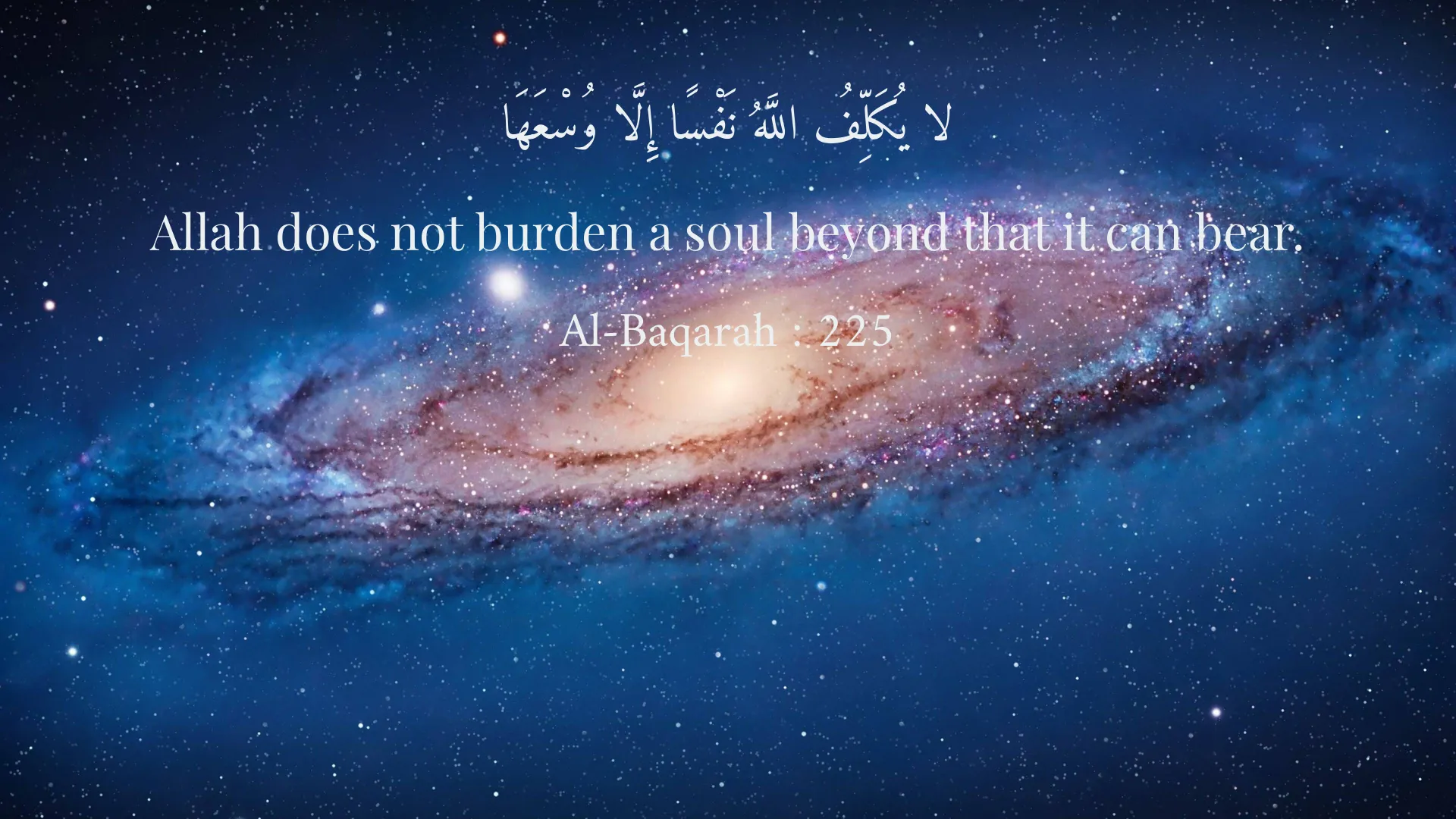
The Importance of Intentions in the Holy Quran In the fabric of Islamic teachings, the notion of intention stands at its core, emphasizing that it is not merely the act itself but the motivation behind it that holds significance. The Holy Quran, as the fundamental scripture of Islam, elaborates on this concept, reminding believers of the value that intentions carry in relation to actions. It is crucial to explore how Allah addresses the intentions of individuals and underscores its importance throughout the Quran, reinforcing the idea that one's motivations are integral to their ethical and spiritual standing. One profound verse that encapsulates this sentiment is found in Surah Al-Baqarah, verse 225, stating, "Allah does not burden a soul beyond that it can bear." This particular verse signifies the mercy and understanding of Allah towards humanity. It emphasizes that divine responsibilities and tests are assigned according to one's capabilities, indicating that Allah is cognizant of the human experience. This understanding can be extended to intentions, suggesting that individuals are not held accountable for their intentions unless they lead to actions. This reflects Allah's compassionate nature, recognizing the struggle inherent in the human condition. The essence of intentions is further expounded upon in Surah An-Najm, verse 39, which states, "And that there is not for man except that [good] for which he strives." This verse delineates the relationship between intention and action; it implies that human endeavors, whether good or ill, are a reflection of one's inner motivations. If an individual nurtures a bad intention but refrains from actualizing it into harmful actions, he is shielded from divine punishment. This notion underlines the principle that intentions alone do not invoke retribution from Allah. Instead, it is the manifestation of these intentions into deeds that becomes significant in gauging one's moral and spiritual alignment. As human beings, it is inevitable to entertain various thoughts, some of which may not be conducive to righteousness. However, the Quran offers solace by reassuring believers that harboring negative intentions—without acting upon them—does not result in condemnation. This understanding is pivotal, as it alleviates the anxiety associated with every thought that crosses one's mind. The distinction made by Allah emphasizes His mercy, fostering an environment where individuals can strive for righteousness without the burden of judgment for unfounded thoughts. Moreover, Allah's attentiveness towards humanity is epitomized in Surah Al-Baqarah, verse 186, where He states, "And if My servants ask you concerning Me, indeed I am near." This verse reiterates Allah's proximity to His creations, suggesting that He is always available to guide and support them. This closeness can instill a sense of responsibility in individuals concerning their intentions. The knowledge that Allah observes not only actions but also the essence of one's thoughts and desires encourages a mindful approach to living. Believers are thus invited to reflect on their intentions, ensuring that they align with the greater good and reflect their faith. It is vital for Muslims to understand that intentions play a foundational role in their spiritual journey. The Prophet Muhammad (peace be upon him) famously stated, "Actions are judged by intentions, so each person will have what they intended." This hadith further elucidates the concept found in the Quran, emphasizing that the purity of one's intentions can lead to spiritual elevation, regardless of the outcome of their actions. The emphasis on intentions cultivates a deeper understanding of one’s relationship with Allah, anchoring the faith in sincerity and awareness. In practical terms, the nurturing of good intentions serves as a daily exercise for individuals. For the believer, cultivating a positive mindset resonates with the teachings of the Quran. It encourages individuals to strive towards enhancing their character, performing acts of kindness, and contributing positively to society. This effort not only aligns with divine expectations but also shapes the individual’s moral compass, ultimately leading them on a path closer to Allah’s pleasure. In the contemporary world, where distractions and negative influences abound, pausing to evaluate one’s intentions becomes even more relevant. The pressures of modern society may incite individuals to act without contemplation, leading to missteps that could stem from poor motivations. Thus, the Quranic message serves as a timeless reminder to prioritize the purity of one’s intentions in all aspects of life. It is clear that God does not punish individuals for harboring bad intentions as long as they do not manifest into wrongful actions. This understanding reinforces the very compassion attributed to Allah, who wishes for humanity to grow and amend without the fear of severe retribution for conflicting thoughts. The divine discourse encourages striving for improvement, reminding us that every effort made with sincerity in intention contributes to one’s overall spiritual welfare. In conclusion, the Holy Quran continuously reinforces the significance of intentions, urging individuals to be conscious of their core motivations. By grasping the essence of this teaching, believers can navigate their spiritual paths with more clarity and purpose. Allah's messages encourage us to reflect on our innermost thoughts and to align our intentions with the pursuit of righteousness. In doing so, we embrace a holistic understanding of morality—one that encompasses thought, action, and an ever-deepening connection with the divine. The journey toward spiritual growth is paved not only by noble actions but also by the sincerity of our intentions, reminding us that true accountability lies within the heart of every individual.
Related Verses
لا يُكَلِّفُ اللَّهُ نَفْسًا إِلَّا وُسْعَهَا
Allah does not burden a soul beyond that it can bear.
Al-Baqarah : 225
وَأَنَّ لَيْسَ لِلْإِنْسَانِ إِلَّا مَا سَعَىٰ
And that there is not for man except that [good] for which he strives.
An-Najm : 39
وَإِذَا سَأَلَكَ عِبَادِي عَنِّي فَإِنِّي قَرِيبٌ
And if My servants ask you concerning Me, indeed I am near.
Al-Baqarah : 186
Short Story
Once upon a time, a man was working in his field. He harbored a bad intention towards his neighbor but when he was about to act on it, he recalled the verses of the Quran. He realized he should not harbor resentment in his heart. Therefore, he decided to help his neighbor, leading to a growing friendship and love between them.