Quranic Answer
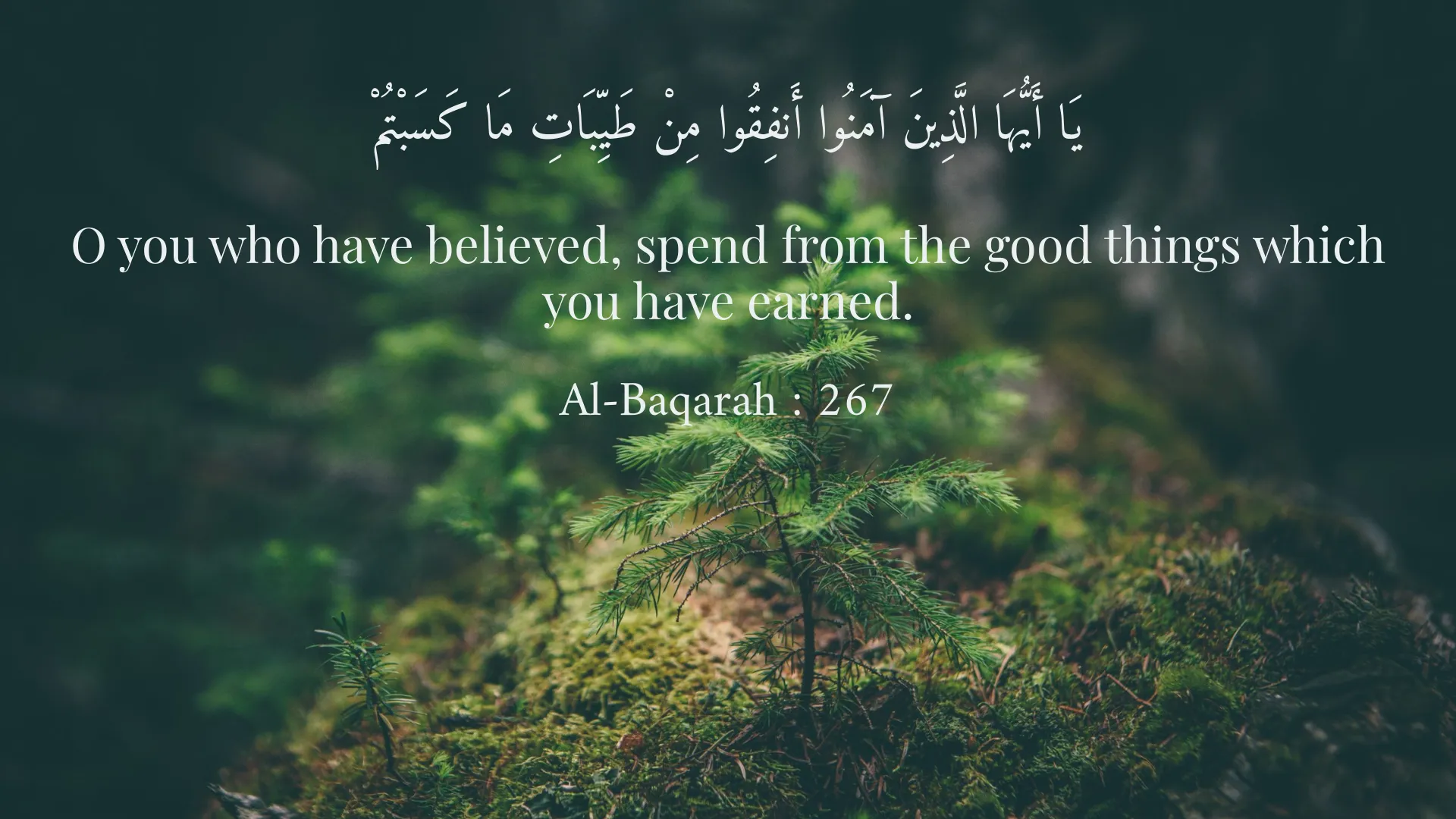
In the Holy Quran, the theme of helping others and fostering positive human relations is a foundational aspect of the teachings of Islam. The Quran addresses the importance of altruism, charity, and community support, emphasizing these values as integral to a fulfilling and righteous life. One significant verse that encapsulates this message is Surah Al-Baqarah, verse 267, which states, 'O you who have believed, spend from the good things which you have earned.' This verse serves as a poignant reminder that the act of giving is not merely an expression of generosity, but an essential practice that can bring blessings and prosperity into our own lives. The idea of spending from what we have earned reflects not only a moral obligation but also a profound understanding that wealth and resources come with the responsibility to uplift those in need. In a world increasingly marked by inequality and hardship, this call to action from the Quran celebrates the spirit of compassion and encourages believers to foster relationships grounded in support and empathy. Moreover, the importance of community and personal relationships in Islamic teachings is further illuminated in Surah An-Nisa, verse 36. In this verse, Allah instructs, 'And do good to parents, relatives, orphans, the needy, the near neighbor, the neighbor farther away, the companion by your side, the companion along the way, and those whom your right hands possess.' This instruction profoundly encapsulates the various dimensions of human interaction, urging believers to extend kindness and support not just to those close to them but to all of society, including vulnerable groups such as orphans and the impoverished. Such directives highlight the Islamic ethos that underscores a collective responsibility to build a harmonious society. By helping parents, relatives, and neighbors, Muslims are reminded of their interconnectedness and the necessity of nurturing these bonds. This cascade of reciprocity, charity, and goodwill is a reminder that our actions reverberate throughout our lives, and in assisting others, we often find a sense of purpose and fulfillment that enriches our own existence. The Quranic notion of altruism is not solely concerned with worldly gain; it carries significant spiritual weight as well. For instance, in Surah Al-Mu’minun, verse 60, Allah states, 'And those who spend in the cause of Allah will have a great reward.' This verse reinforces the belief that the act of giving is a form of worship and an investment in one’s spiritual growth. When we contribute selflessly for the sake of Allah, we temporarily set aside our own desires and interests to prioritize the needs of others. This selflessness nurtures our spiritual attributes, allowing us to grow closer to Allah and fulfill our purpose as human beings. The relationship between helping others and enhancing our own circumstances is evident. Studies and anecdotal evidence across various cultures indicate that acts of kindness and charity not only improve the lives of those receiving assistance but also have a profound impact on the givers. Engaging in altruistic behavior can lead to increased feelings of happiness, reduced stress levels, and improved physical health. In essence, helping others also becomes a pathway to personal contentment. This is further validated by psychological research that illustrates the human tendency to find joy in giving. Engaging in acts of charity has been shown to trigger the brain's reward mechanisms, creating feelings of satisfaction and joy. Therefore, the Quranic emphasis on helping others provides both spiritual guidance and practical wisdom on the human condition. In many instances, the barriers between ourselves and others can seem insurmountable due to social status, cultural differences, or personal circumstances. However, the teachings of the Quran encourage us to transcend these barriers through love and compassion. Engaging with our community, volunteering our time, and supporting humanitarian efforts are all ways of practicing the principles laid out in the Quran. This engagement is a vital part of living a life consistent with Islamic values and ensures that we do not just exist as isolated individuals but as part of a greater family that includes all of humanity. While the Holy Quran provides extensive guidance on these matters, it is essential for individuals to internalize these lessons and embrace a lifestyle steeped in compassion. One practical application of these teachings is through regular giving, whether that be material support or emotional assistance. Establishing systems for regular charity, such as zakat and sadaqah, aligns with the Quranic instruction to support those in need consistently. The act of sharing wealth, knowledge, and time can foster a culture of generosity that nourishes both the giver and the receiver. In conclusion, the Islamic principles of helping others advocate for an interconnected society where acts of kindness and compassion are paramount. These teachings serve as a reminder that by assisting others, we are ultimately enhancing our own lives; we nurture our spirit, fortify our relationships, and contribute to the collective wellbeing of society. Through the Quran’s guidance, we understand that charity transcends mere charitable acts; it is a lifestyle that promotes unity and love among all. In a world filled with trials and tribulations, the quest to uphold these values can transform our paths, leading to a brighter and more fulfilling existence for everyone involved.
Related Verses
يَا أَيُّهَا الَّذِينَ آمَنُوا أَنفِقُوا مِنْ طَيِّبَاتِ مَا كَسَبْتُمْ
O you who have believed, spend from the good things which you have earned.
Al-Baqarah : 267
وَاحْسِنُوا إِلَى الْوَالِدَيْنِ وَالأَقْرَبِينَ
And do good to parents and relatives.
An-Nisa : 36
وَالَّذِينَ يُنفِقُونَ أَمْوَالَهُمْ فِي سَبِيلِ اللَّهِ
And those who spend in the cause of Allah.
Al-Mu’minun : 60
Short Story
Once upon a time, there was a man named Hassan living in a village. He always wondered how he could solve his own problems. One day, he saw his neighbor struggling to lift a heavy load. Without hesitation, he rushed to help him. By assisting his neighbor, Hassan felt a deep sense of happiness and satisfaction. In that moment, he realized that by helping others, he was actually helping himself and minimizing his problems.