Quranic Answer
The Holy Quran, regarded as the ultimate source of guidance for Muslims, lays great emphasis on the concept of sin and its implications for one’s spiritual relationship with God. Sin, as depicted in various verses of the Quran, is not merely a wrong action but rather a significant factor that leads to a distancing from the divine presence of Allah. The Quran encapsulates this idea in different circumstances, showcasing how sin affects the human soul, one's faith, and ultimately, their fate in the hereafter. One prominent example can be found in Surah Al-An'am, verse 153, where Allah cautions His servants about the dire consequences of straying from the righteous path. The verse serves as a reminder that those who deviate are not simply wandering astray; they are, in fact, moving away from Allah's mercy and grace. This movement leads individuals further into a state of spiritual neglect and loss. The notion of wandering is significant; for it implies that while one may feel independent in their choices, they are, in reality, severing their connection with divine support and guidance. Sin, as presented in the Quran, acts as a barrier that obstructs one's ability to perceive and accept divine inspiration. In the Quranic context, sin darkens the heart, snuffs out clarity, and engulfs individuals in the darkness of negligence. As humans, we are susceptible to distraction and temptations that can cloud our judgment. The Quran emphasizes the importance of remaining vigilant against these distractions to preserve our faith and maintain a close relationship with Allah. Furthermore, in Surah Al-Baqarah, verse 2, Allah defines the qualities of the righteous believers, encapsulating their faith and piety. The verse juxtaposes the virtues of believers with the state of those who succumb to sin, insinuating that sin creates a negative identity that alienates individuals from God. This duality serves to remind the followers of Islam that faith and adherence to divine guidance must go hand in hand. The emphasis on positive qualities underscores the necessity of nurturing one's spirituality while actively avoiding sin, which can easily lead a person astray. Additionally, Surah Al-Maidah, verse 27, offers a stern warning against the dangers of forgetting or denying the truth. The Quranic directive here is not just a caution; it is a reflection of the repercussions that follow from such actions. Ignoring the truth not only leads to moral decay but can also culminate in severe divine punishment. The emphasis on truth stands as a fundamental principle in Islam, which believers are encouraged to remember and uphold at all costs. Such reminders serve to reinforce the idea that sin creates separation not only from God’s mercy but also from the moral and ethical compass provided by divine guidance. To further illustrate the impact of sin on the human soul, we can look into the psychological and spiritual ramifications highlighted by scholars and theologians through the ages. Sin can lead to an overwhelming sense of guilt, alienation from the community, and ultimately, despair. The Quran provides numerous narratives and examples from past communities to elucidate this point. The repeated emphasis on the eventual consequences of sin signifies that one’s actions have dire repercussions not only in this life but also in the hereafter. In contrast, the Quran promotes the virtues of repentance and resilience. Allah’s mercy is expansive, and although sin distances one from Him, sincere repentance (Tawbah) can bridge that gap. It is vital for individuals to recognize their shortcomings, seek forgiveness with a contrite heart, and remain steadfast in their commitment to righteousness. This cycle of sin, realization, and repentance is integral to the Islamic faith and serves as a reminder of Allah’s unwavering compassion and readiness to forgive. Moreover, the transformative power of faith against the backdrop of sin is a recurring theme throughout the Quran. Strengthening one's faith is not merely an individual affair but also a communal responsibility. The Quran calls upon believers to support one another in righteousness and to encourage each other to adhere to the truth. This sense of community acts as a bulwark against sin, reinforcing a collective sense of accountability and awareness. In conclusion, the Holy Quran provides profound insights into the significance of avoiding sin and fostering a close relationship with Allah. Sin is portrayed not merely as an act of disobedience but as an instrumental force that disrupts the spiritual fabric of one's existence. The consequences of sin extend beyond the individual, affecting one's broader relationship with the community and the divine. Therefore, striving to avoid sin while nurturing one’s faith through acts of worship, love, and remembrance of Allah is essential. The Quran encourages the believer to remain vigilant, to engage in constant self-reflection, and to embrace the path of righteousness, all while recognizing the mercy of Allah that awaits those who seek to return to Him. Through nurturing faith and avoiding sin, one can hope to experience the boundless love and compassion of our Creator, ultimately achieving a closer bond with the divine and safeguarding themselves from the dire consequences of sinful living.
Related Verses
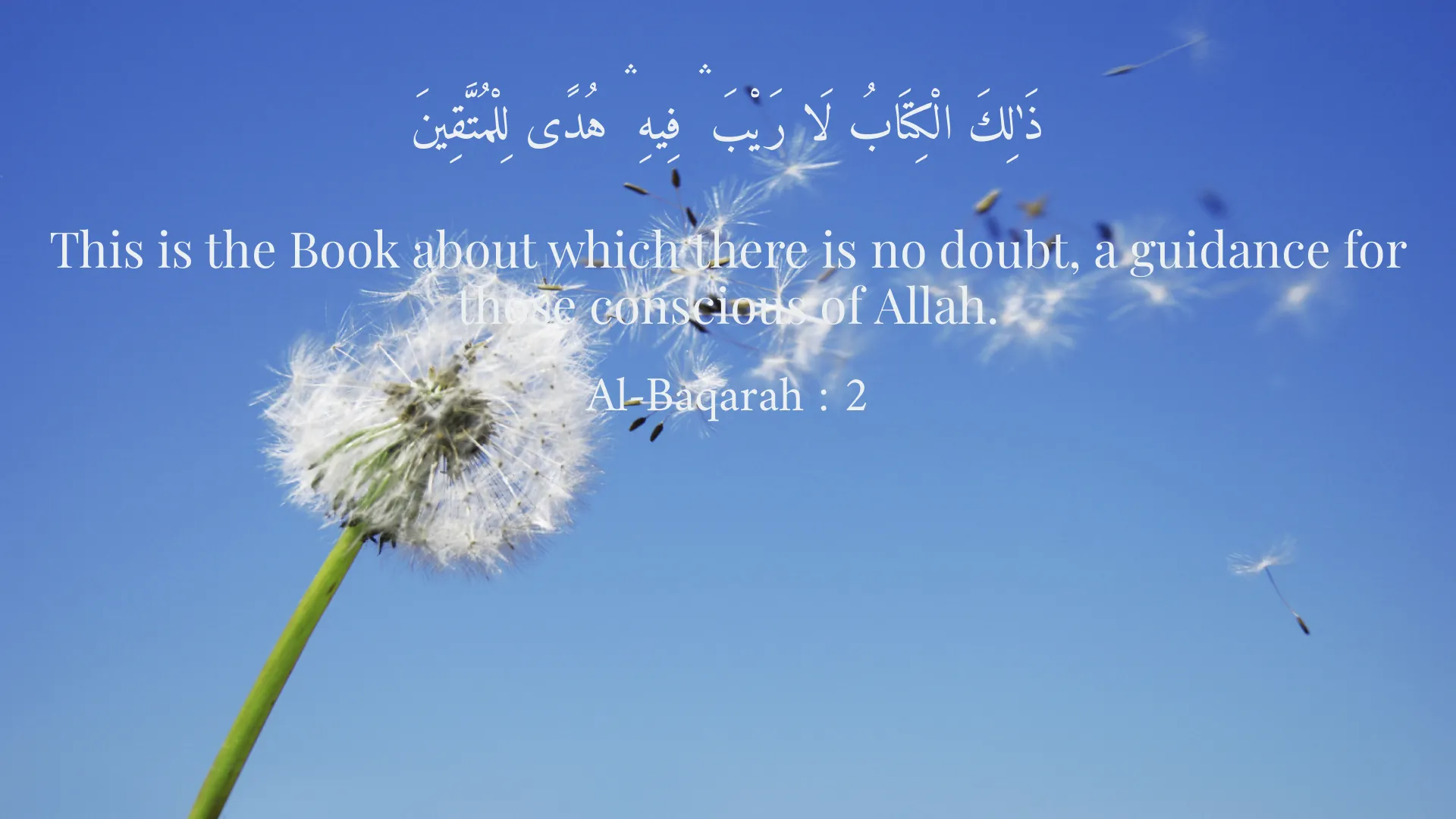
ذَٰلِكَ الْكِتَابُ لَا رَيْبَ ۛ فِيهِ ۛ هُدًى لِلْمُتَّقِينَ
This is the Book about which there is no doubt, a guidance for those conscious of Allah.
Al-Baqarah : 2
وَأَنَّ هذا صِرَاطِي مُسْتَقِيمًا فَاتَّبِعُوهُ ۖ وَلَا تَتَّبِعُوا السُّبُلَ فَتَفَرَّقَ بِكُمْ عَنْ سَبِيلِهِ ۚ ذَٰلِكُمْ وَصَّاكُمْ بِهِ لَعَلَّكُمْ تَتَّقُونَ
And indeed, this is My path, which is straight, so follow it; and do not follow other paths, for they will separate you from His path. This has He instructed you that you may become righteous.
Al-An'am : 153
وَإِذْ قَالَ مُوسَى لِقَوْمِهِ يَا قَوْمِ اذْكُرُوا نِعْمَتَ اللَّهِ عَلَيْكُمْ إِذْ جَعَلَ فِيكُمْ أَنْبِيَاءَ وَجَعَلَكُمْ مُلُوكًا وَآتَاكُمْ مَا لَمْ يُعْطِ أَحَدًا مِّنَ الْعَالَمِينَ
And when Moses said to his people, 'O my people, remember the favor of Allah upon you when He appointed among you prophets and made you kings and brought you that which had not been brought to anyone among the worlds.'
Al-Ma'idah : 27
Short Story
One pleasant evening, I encountered an old friend in a park. He shared with me the difficulties he was facing in life and recalled his sins. Reflecting on the Quran, he remembered how his sins had distanced him from God and expressed his desire to return to Him. After a heartfelt conversation, we strove together to make decisions to steer clear of sins and elevate ourselves spiritually.