Quranic Answer
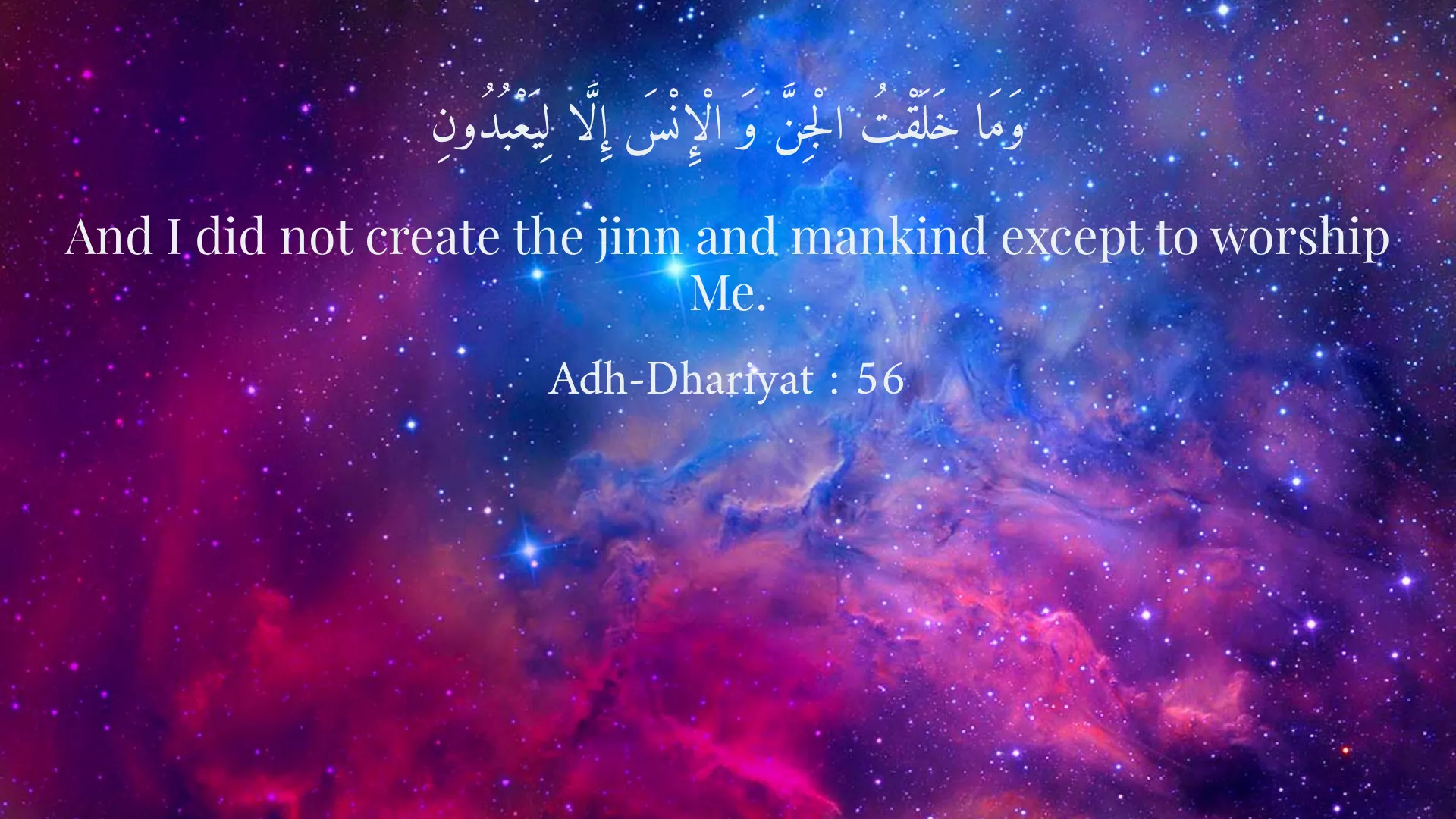
The Holy Quran is regarded as the ultimate divine scripture in Islam, serving not only as a religious text but also as a comprehensive guide to understanding the broader philosophical questions of life. Through its verses, the Quran addresses various inquiries related to existence, the purpose of life, the nature of God, and human relationships. These themes resonate throughout its teachings, encouraging believers and seekers alike to engage in deep contemplation and reflection about their own lives and the role they play in the grand tapestry of creation. At its core, the Quran posits fundamental questions about human existence that have perplexed thinkers and scholars for centuries. One of the most salient declarations appears in Surah Adh-Dhariyat, verse 56, where Allah states, ‘And I did not create the jinn and mankind except to worship Me.’ This particular verse acts as a cornerstone for understanding the purpose of human creation. It encapsulates the essence of why beings exist – to embody a relationship with the Creator characterized by worship. This worship is not merely a ritualistic exercise but symbolizes a deeper spiritual engagement and acknowledgment of the divine authority that governs the universe. The emphasis on worship provides a profound reflection on the essence of being. It invites individuals to ponder their place within the framework of creation and to explore the dimensions of their spirit and consciousness. By acknowledging a higher power, one begins to realize that existence extends beyond the physical realm, involving a moral and ethical obligation to pursue righteousness, truthfulness, and compassion in one’s interactions with others. This relational aspect of humanity’s existence suggests that individuals are inherently communal and interdependent, filled with potential to contribute positively to society while seeking divine approval. Moreover, the Quran prompts reflection on mankind's quest for knowledge and understanding. In Surah Al-Imran, verse 191, believers are urged to contemplate the marvelous creation of the heavens and the earth: ‘Indeed, in the creation of the heavens and the earth and the alternation of night and day are signs for those of understanding.’ This verse serves as a call to observe and appreciate the natural world, recognizing it as a manifestation of divine artistry. Philosophy often converges with science in this realm, where inquiry about the cosmos and existential meaning leads to discoveries about the universe that can strengthen faith and understanding of God’s omnipotence. The philosophical inquiries found within the Quran are expansive. They engage with essential themes such as existence, perfection, morality, and the intricate nature of human beings. Existential questions, such as ‘What does it mean to be human?’ and ‘What is the nature of our reality?’ emerge as persistent motifs. These questions encourage believers to examine the duality of their physical and spiritual forms, as well as their responsibilities toward themselves and others in the context of divine guidance. The Quran promotes the idea that human beings possess a fitrah, a natural disposition toward the good, which guides them on their quest for truth. Critical thinkers have examined the significance of these inquiries in light of human history and societal evolution. Philosophers throughout time have grappled with concepts of ethics and moral philosophy. The Quran's teachings often align with ethical principles that stress the emphasis on justice, compassion, and integrity. These tenets not only frame personal character but also dictate societal behavior, guiding legislation, and community structure. The Quran fervently emphasizes the importance of knowledge, thought, and reflection as vital tools for understanding the truth and meaning of life. In various verses, the act of pondering—of using reason and intellect—is encouraged. Believers are urged to seek knowledge not only of religious tenets but also of the world around them. This quest for knowledge includes learning from both sacred texts and the natural world. Scientific exploration and philosophical reasoning are not seen as divergent from faith but rather as complementary tools to gain further insight into the universe and the existence of God. The merging of faith and reason has potential to encourage harmony in pursuit of truth, offering a holistic approach to understanding the complexities of life. Furthermore, the Quran emphasizes the importance of human relationships, stressing compassion, empathy, and mutual support. The interconnectedness of human beings is highlighted, as individuals are encouraged to live in harmony with one another, respecting the dignity and rights of each person. Verses that discuss the importance of community, family, and friendship provide a template for establishing healthy relationships that promote moral virtues and a sense of belonging. This social aspect reflects the Quran’s recognition that individuals grow and thrive in relational contexts, suggesting a synergistic approach to human development. In conclusion, the Holy Quran provides deep philosophical insights that serve as a compass for guiding human thought and action. It addresses core questions about existence, the purpose of life, the understanding of God, and the importance of relationships. Through verses that inspire reflection and contemplation, the Quran challenges individuals to engage in a quest for truth, reminding them that knowledge and thought are fundamental tools for unraveling the mysteries of life. By encouraging believers to ponder their purpose and the nature of existence, the Quran emphasizes that the journey toward understanding is intrinsic to the human experience. Ultimately, it is through this engagement that one may hope to adorn their lives with meaning and purpose, drawing closer to the truth of their existence and the Creator.
Related Verses
وَمَا خَلَقْتُ الْجِنَّ وَ الْإِنْسَ إِلَّا لِيَعْبُدُونِ
And I did not create the jinn and mankind except to worship Me.
Adh-Dhariyat : 56
إِنَّ فِي خَلْقِ السَّمَاوَاتِ وَ الْأَرْضِ وَ اخْتِلَافِ اللَّيْلِ وَ النَّهَارِ لَآيَاتٍ لِأُولِي الْأَلْبَابِ
Indeed, in the creation of the heavens and the earth and the alternation of night and day are signs for those of understanding.
Al-Imran : 191
Short Story
One day in the market, Adel's friend asked him, 'What do you think is the most important question of life?' Adel pondered for a moment and replied, 'I believe we need to understand our purpose in life. The Quran says we are created to worship, and this suggests we have a deeper understanding to explore.' Adel decided to dedicate some time each day to reflect on these questions and discover a deeper meaning in his life.