Quranic Answer
The Holy Quran, the sacred text of Islam, serves as a comprehensive guide for believers, addressing various aspects of life, including sincere worship. One of the most pressing issues discussed in the Quran is that of hypocrisy and insincerity in acts of devotion. The implications of performing religious duties with ulterior motives are meticulous and far-reaching, as they hinder the spiritual journey of a believer. In Surah Al-Baqarah, verse 264, Allah explicitly articulates this concerns: "O you who have believed! Do not invalidate your charities with reminders or injury." This line carries profound implications, emphasizing that the essence of worship, particularly charitable acts, should stem from a place of pure intention and be devoid of any considerations pertaining to external validation or recognition. To better understand this, one must consider the broader context of the Quran's approach to insincerity. It is not merely an admonition against poor actions but a deeper call towards cultivating inner purity. The verse highlights the potential for hypocrisy to spoil one’s good deeds, rendering them void and ineffective in the eyes of Allah. This brings forth a critical assertion: intentions matter significantly in acts of worship. The Quran consistently reiterates that actions devoid of sincere intention lose their reward and value. In addition to the aforementioned verse, several other passages in the Quran demonstrate the harmful nature of hypocrisy. For instance, in Surah Al-Ma'idah, verse 54, Allah warns believers about the consequences of falling into the trap of insincerity: "O you who believe! Whoever of you should revert from his religion – Allah will bring forth for the people He will love them and they will love Him..." This verse implies that those who exhibit hypocritical behavior in worship may find themselves alienated from divine love and mercy. Such warnings serve to emphasize that the spiritual journey is meant to foster a close relationship with Allah, one that must be rooted in authenticity and faithfulness. The presence of hypocrisy within acts of worship not only detracts from the genuine quality of devotion but also serves as a barrier in forming a sincere connection between the individual and their Creator. It reflects a discord between one's internal motivations and externally performed actions. In essence, when religious practices are tainted by disingenuous motivations, they transform from being a profound means of connection to mere performative rituals devoid of spiritual substance. The Quran offers an invitation to believers to engage in worship with sincerity; devoid of ostentation, each act becomes a pathway leading closer to Allah’s acceptance. It is important to emphasize that Allah does not simply look at the actions themselves but rather assesses the intentions behind them. This notion is reiterated throughout the text, serving to remind believers that Allah only accepts deeds performed with correct and sincere intentions. Furthermore, fostering honesty within oneself is a recurring theme in the Quranic text, which extends beyond personal acts of worship and infiltrates social interactions and communal responsibilities. This underscores the importance of integrity in all facets of life. By embodying sincerity, believers ensure their spiritual integrity and the authenticity of their relationships with others within the community. In practice, the avoidance of hypocrisy and insincerity manifests in various ways. For instance, believers are encouraged to engage in acts of worship genuinely – be it prayer, fasting, or charity – with the purity of heart and an earnest desire to gain Allah's pleasure. The Quran promotes an inward examination of one's intentions; through this lens, believers must constantly assess their motivations behind every action. Are they seeking recognition, fame, or social standing? Or are they sincerely offering their deeds as an expression of love and devotion towards Allah? This constant self-reflection serves as a protective measure against the insidious nature of hypocrisy, nudging believers towards continual growth in piety and spiritual authenticity. As seen through various narratives in the Quran, the emphasis placed on sincere worship speaks volumes about the journey towards spiritual fulfillment. The Quran does not merely serve up prohibitions against hypocrisy but instead illuminates the path to genuine faith. By nurturing a heart free from ulterior motives, believers can engage with their worship authentically and fully immerse themselves in the divine experience. Thus, acts of worship transform into a sacred dialogue between the servant and Allah, characterized by trust, love, and sincerity. In conclusion, the Quran unequivocally addresses the issue of hypocrisy in worship. Through its verses, it provides clear guidance toward the importance of purifying one's intentions and actions. The messages conveyed in Surah Al-Baqarah and other relevant verses advocate for a conscious approach to worship, wherein believers cultivate sincerity, honesty, and authenticity in their spiritual affairs. Ultimately, the heart of this discourse emphasizes that for worship to reach its intended effect and earn divine favour, it must be conducted with pure, unblemished intentions, free from any form of pretense or self-serving motives, ensuring that the bond between the worshipper and Allah remains intact and flourishing.
Related Verses
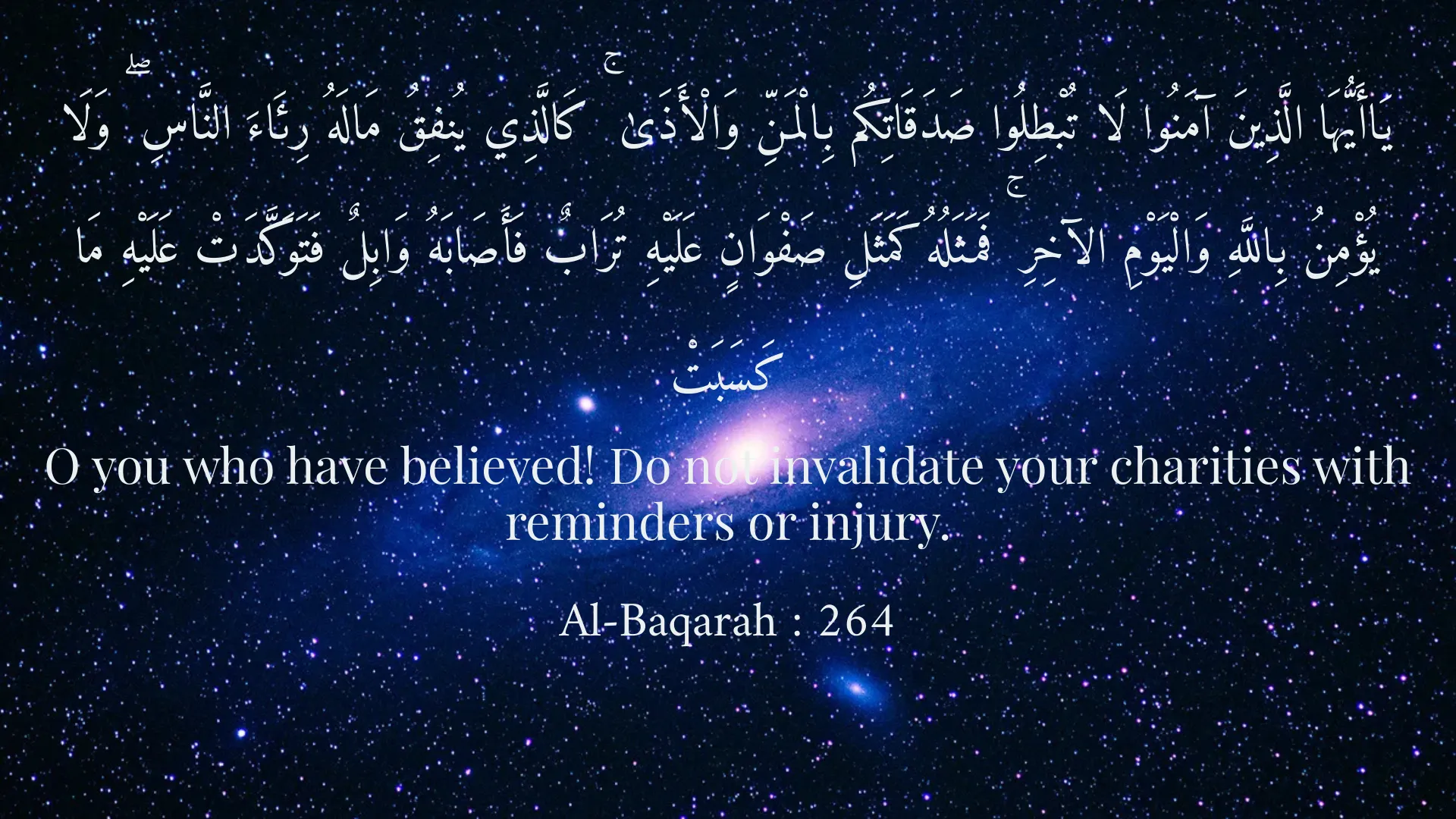
يَاأَيُّهَا الَّذِينَ آمَنُوا لَا تُبْطِلُوا صَدَقَاتِكُم بِالْمَنِّ وَالْأَذَىٰ ۚ كَالَّذِي يُنفِقُ مَالَهُ رِئَاءَ النَّاسِ ۖ وَلَا يُؤْمِنُ بِاللَّهِ وَالْيَوْمِ الآخِرِ ۚ فَمَثَلُهُ كَمَثَلِ صَفْوَانٍ عَلَيْهِ تُرَابٌ فَأَصَابَهُ وَابِلٌ فَتَوَكَّدَتْ عَلَيْهِ مَا كَسَبَتْ
O you who have believed! Do not invalidate your charities with reminders or injury.
Al-Baqarah : 264
يَا أَيُّهَا الَّذِينَ آمَنُوا مَن يَرْتَدَّ مِنكُمْ عَنْ دِينِهِ فَسَوْفَ يَأْتِي اللَّهُ بِقَوْمٍ يُحِبُّهُمْ وَيُحِبُّونَهُ أَذِلَّةٍ عَلَى الْمُؤْمِنِينَ أَعِزَّةٍ عَلَى الْكَافِرِينَ يُجَاهِدُونَ فِي سَبِيلِ اللَّهِ وَلَا يَخَافُونَ لَوْمَةَ لائمٍ
O you who have believed! Whoever of you should revert from his religion - Allah will bring forth from among the people another people.
Al-Ma'idah : 54
Short Story
One day, a man named Hasan decided to perform his acts of worship in a better and more sincere manner, removing hypocrisy from them. He reflected on the saying of the Prophet Muhammad that 'deeds are judged by intentions.' Hasan tried to have a pure intention in his heart and carried out his worship without ostentation. After some time, Hasan felt a greater happiness and peace and realized that his connection with Allah had grown closer.