Quranic Answer
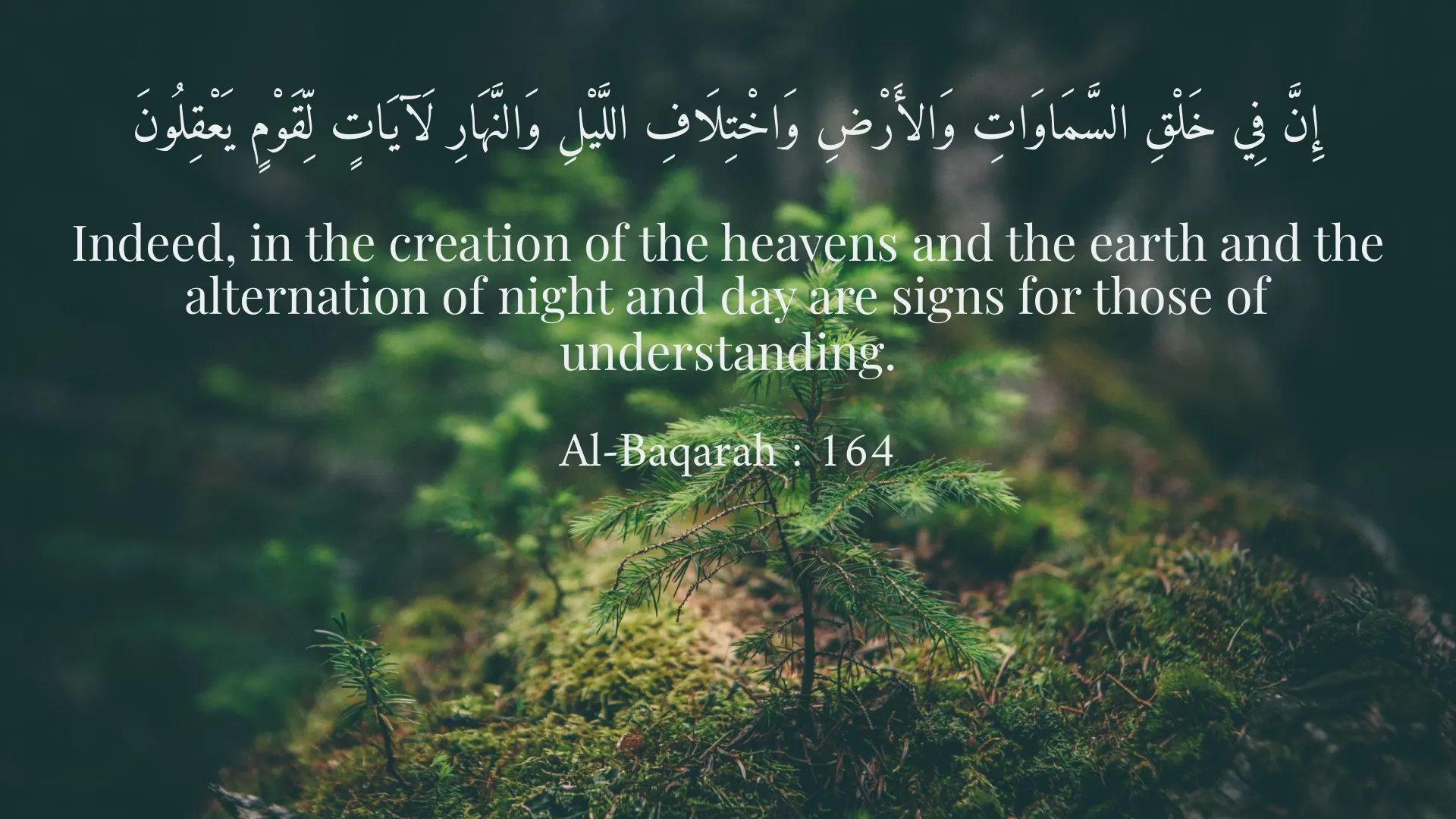
The Holy Quran, regarded by Muslims as the literal word of God, is replete with guidance on various aspects of life, including the critical roles of imitation and critical thinking. The text encourages believers to engage with the world around them thoughtfully rather than simply adhering to the beliefs and practices of others. This notion resonates deeply within Islamic teachings, emphasizing personal reflection and the use of intellect as instrumental in navigating faith and understanding one’s environment. One of the first instances highlighting the importance of critical thinking can be found in Surah Al-Baqarah, verse 164. The verse states: 'Indeed, in the creation of the heavens and the earth and the alternation of night and day are signs for those of understanding.' This powerful message prompts individuals to reflect on the divine creation surrounding them. It is not merely a call to observe, but a deeper invitation to ponder over these signs, to seek meaning and truth in the universe. When one contemplates the beauty of nature or the complexity of life, it is a call to recognize the signs of Allah, rather than following the crowd or imitating popular opinions without scrutiny. Moreover, the Quran warns against conformism in Surah Al-An'am, verse 116, where Allah states: 'And if you obey most of those upon the earth, they will mislead you from the way of Allah.' This verse serves as a stark reminder that majority opinion, or following the popular belief, does not necessarily align with the truth. It encourages believers to think independently and seek knowledge that resonates with their understanding of righteousness. The emphasis here is clearly on questioning and researching rather than accepting beliefs and values based solely on collective acceptance. The notion of critical engagement is further reinforced in Surah Az-Zumar, verse 18, which reads: 'Those who listen and follow the best of what it entails.' This verse delineates the difference between passive hearing and active engagement with the knowledge and truth one encounters. It implies that one must not only listen but evaluate and discern what is beneficial and what aligns with one's understanding of faith and morality. This active process of thinking and evaluating leads believers away from the pitfalls of imitation that are ungrounded in personal reflection and understanding. In the broader context of Islamic teachings, critical thinking is seen as a responsibility rather than an option. The Quran implores humanity to utilize the intellect that God has provided, prioritizing reasoning and understanding over blind acceptance. This philosophy is intrinsically linked to the Islamic concept of 'Ilm' or knowledge, which is a highly esteemed virtue. Knowledge is not merely accumulated facts but rather a summation of true understanding through exploration and questioning. While imitation can sometimes serve as a means to guide those who are unsure, it must never outweigh one’s pursuit of knowledge and understanding. The Quran delineates that the ultimate goal in life is to serve Allah and adhere to the path of truth, which can only be achieved through informed and reflective decision-making. Blindly following others without question can lead to grave errors in personal judgment, which might diverge one from the destined path of truth. Furthermore, Islamic scholars throughout the centuries have expounded on the theme of critical thinking as central to the practice of faith. They argue that the development of intellectual faculties is crucial for a robust faith, one that grows and evolves with new understandings and experiences. This perspective aligns the practice of faith with the quest for knowledge, highlighting that true belief is not stagnant but dynamic and continually expanding through inquiry and reflection. Additionally, the encouragement to think critically extends beyond personal faith and into societal implications. A community that values inquiry and reasoning is one that is equipped to tackle challenges and engage with diverse perspectives. It is through critical conversation and debate that individuals can arrive at more profound insights and understandings, cultivating a society that values knowledge and truth over ignorance and conformity. In conclusion, the Quran emphasizes the significance of critical thinking and the dangers of blind imitation. It assures that believers are encouraged to engage with their faith thoughtfully, utilizing the intellect bestowed upon them. By reflecting on divine signs through personal exploration, questioning prevailing beliefs, and actively discerning truth, individuals are guided towards a more comprehensive understanding of their faith and their place in the universe. The teachings of the Quran serve as a powerful reminder that while community and tradition hold value, the highest obligation lies in the pursuit of knowledge, understanding, and ultimately, the unfettered search for truth.
Related Verses
إِنَّ فِي خَلْقِ السَّمَاوَاتِ وَالأَرْضِ وَاخْتِلَافِ اللَّيْلِ وَالنَّهَارِ لَآيَاتٍ لِّقَوْمٍ يَعْقِلُونَ
Indeed, in the creation of the heavens and the earth and the alternation of night and day are signs for those of understanding.
Al-Baqarah : 164
وَإِنْ أَطَعْتَ أَكْثَرَ مَن فِي الْأَرْضِ يُضِلُّوكَ عَنْ سَبِيلِ اللَّهِ ۚ إِنْ يَتَّبِعُونَ إِلَّا الظَّنَّ وَإِنْ هُمْ إِلَّا يَخْرُصُونَ
And if you obey most of those upon the earth, they will mislead you from the way of Allah; they follow not except assumption, and they are not but falsifying.
Al-An'am : 116
الَّذِينَ يَسْمَعُونَ الْقَوْلَ فَيَتَّبِعُونَ أَحْسَنَهُ ۚ أُولَـٰئِكَ هُمُ الْمُهْتَدُونَ
Those who listen to the speech and follow the best of it. It is those who are truly guided.
Az-Zumar : 18
Short Story
Once upon a time in a village, there was a group of youths who always followed traditional methods and never questioned their practices. One day, a wise man approached them and asked, "Why do you never inquire why you do these things?" The youths responded, "We learned from the elders, and wisdom resides in their hands." The wise man smiled and said, "Don't you think you should challenge yourselves?" From that day on, the youths began to question, opening up new horizons. They realized that instead of imitating, they should think for themselves, thus getting closer to the truth.