Quranic Answer
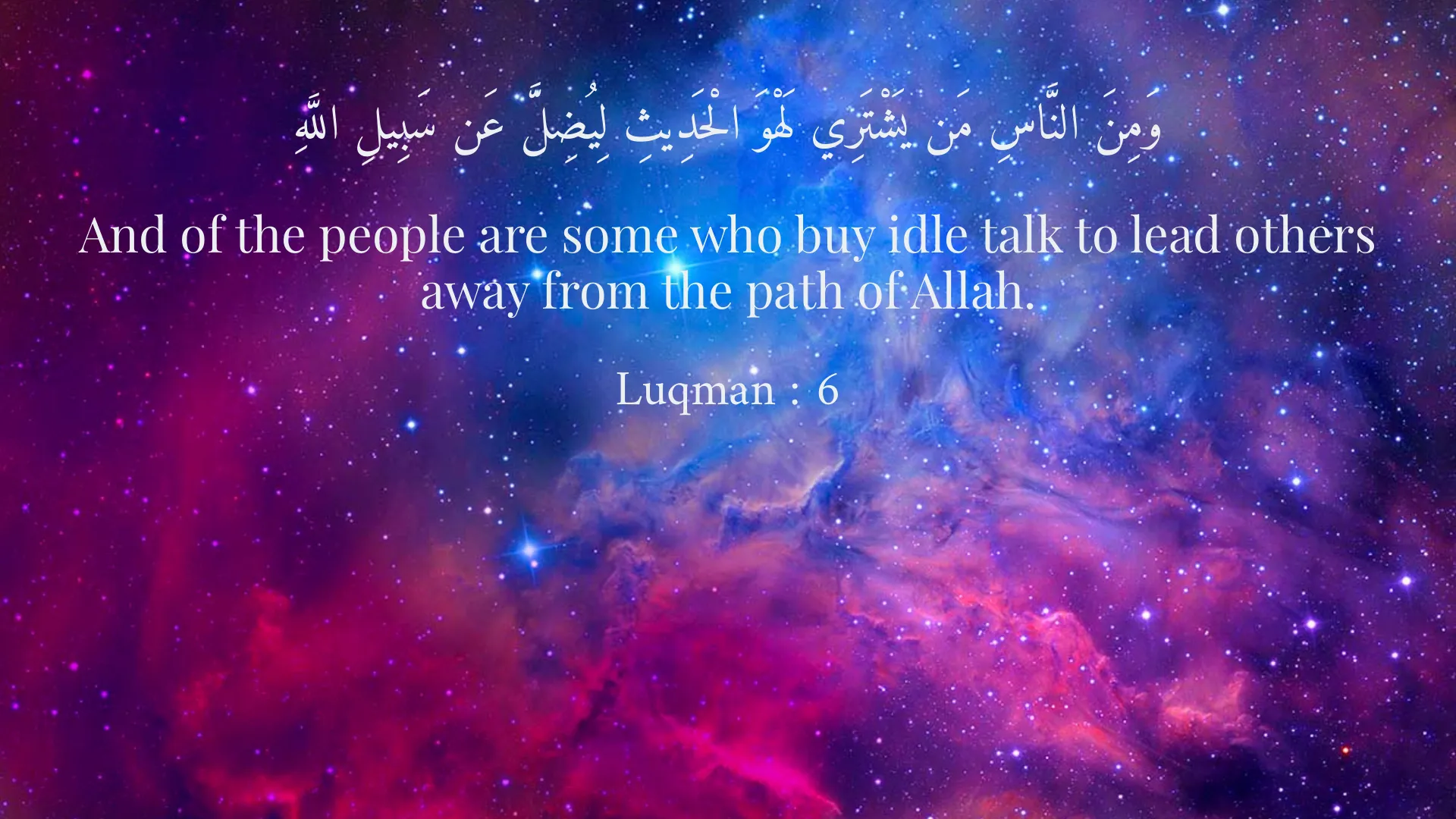
The Holy Quran, as the fundamental religious text for Muslims, carries immense weight in guiding the behaviors, beliefs, and moral compass of its followers. While it does not directly address the topic of music, it nevertheless provides a framework from which interpretations regarding music can be drawn. The relationship between music and spirituality is complex and nuanced, requiring individuals to ponder deeper meanings and consider moral implications. In exploring the Quran’s stance on music, we find significant themes woven throughout its verses, primarily focused on moral, spiritual, and social responsibilities rather than leisure activities such as music. One of the pivotal aspects of the Quran is its emphasis on remembrance of God (Dhikr). The Quran encourages believers to engage in acts of worship, reflection, and engagement with the divine, which some scholars argue can be hindered by indulging in entertainment pursuits such as music. This belief is highlighted in Surah Luqman, verse 6, where it states, "And of the people are some who buy idle talk to lead others away from the path of Allah." This verse reflects a concern found among certain interpreters that music may constitute 'idle talk' or distractions that divert from the essential worship and remembrance of Allah. Such distractions potentially lead individuals toward aimlessness, where the pursuit of entertainment takes precedence over one’s spiritual obligations. Conversely, other scholars and interpreters advocate for a more nuanced understanding of music, asserting that music is an art form that, like any form of creativity, holds the potential to inspire, nurture, and elevate human emotions and thoughts. They posit that if music cultivates goodness, moral values, and is used to uplift individuals and communities, it may be considered acceptable or even commendable within an Islamic context. This perspective acknowledges music's role in cultural expression and its contributions to the beauty of life. Throughout history, many Islamic cultures have integrated music as part of their traditions. From Sufi practices involving music and poetry to the rich heritage of various musical styles across different regions, it is evident that music is deeply embedded in the social and spiritual fabric of many Muslim communities. The Sufi tradition, in particular, draws on music as a means of experiencing the divine. The use of instruments and singing in this context serves as a medium to transcend the self, allowing devotees to engage with God on a profound level. This aspect of Sufi practice suggests that music, when approached with sincerity, humility, and intention, can be a pathway to spiritual elevation rather than a diversion. The debate surrounding music within the Islamic tradition emphasizes the importance of context, intention, and content. While the Quran does not explicitly prohibit music, its teachings suggest that the overall moral and spiritual standards must guide one’s engagement with music. This brings us to a vital point: the individual's personal responsibility to scrutinize their choices and ensure they align with their faith and values. For every Muslim, it is crucial to research the subject with a sincere heart, considering both conventional wisdom and modern interpretations of faith. This approach fosters a deeper understanding and respect for one’s beliefs while allowing personal growth and exploration. Furthermore, the diverse interpretations surrounding music in Islamic teachings highlight an intrinsic characteristic of the faith—its capacity to evolve in dialogue with human experience and creativity. Scholars across generations have engaged with contemporary cultural expressions, continuously refining their understanding of faith in relation to art and expression. In a globalized world where music transcends borders, it becomes crucial for Muslims to navigate these waters thoughtfully, weighing spiritual insights against cultural phenomena. Art, by its nature, reflects the complexities of the human experience—joy, grief, celebration, and reflection—and thereby has the potential to resonate with the core themes in the Quran concerning morality and ethics. Ultimately, every Muslim is encouraged to engage with their faith genuinely, seeking knowledge and understanding that informs their practices and beliefs. The absence of explicit prohibitions regarding music in the Quran places the onus on the individual to discern its appropriateness within their own lives. In this light, the engagement with music might be variable based on personal convictions and the prevailing normative values of one’s community. By choosing music that rings true to the values of compassion, integrity, and devotion, individuals can find a harmonious balance in participating in both their spiritual and cultural universes. In reflecting upon the intersection of music and spirituality, it is paramount to remain rooted in principles that uplift and empower. Whether one chooses to embrace music as part of their spiritual practice or opts for abstention, the overarching ethos of the Quran is consistently directed towards promoting goodness, fostering community, and seeking a closer relationship with the divine. As such, the discussions surrounding music should not only be confined to its permissibility but should also encourage a broader discourse about morality, art, and the multifaceted human experience. Hence, the overarching lesson is clear: while the Quran does not explicitly prohibit music, it guides its followers toward living a life that emphasizes moral and spiritual integrity in all pursuits, including that of music.
Related Verses
وَمِنَ النَّاسِ مَن يَشْتَرِي لَهْوَ الْحَدِيثِ لِيُضِلَّ عَن سَبِيلِ اللَّهِ
And of the people are some who buy idle talk to lead others away from the path of Allah.
Luqman : 6
Short Story
Once upon a time in a small village, there was a charitable singer named Arash. Every day, he would sit in the village square and sing beautiful melodies that captivated all the villagers. However, one day, a cleric approached him and said, 'Arash, remember that music should remind us of God and the right path.' Upon hearing this, Arash decided to adjust his songs to not only cheer the people but also to remind them of goodness and virtues. From that day onward, his music was not only entertaining but also touched hearts, earning praise from the clerics too.