Quranic Answer
Title: The Teachings of the Holy Quran on Hate, Violence, Love, and Harmony Introduction The Holy Quran serves as a complete guide to human life and behavior, addressing numerous aspects of interpersonal relationships and social conduct. A recurring theme within its verses is the emphasis on love, harmony, and the rejection of hatred and violence. This article aims to explore the indirect yet profound teachings of the Quran concerning these negative emotions, bringing light to the verses that highlight the significance of compassion, forgiveness, and the promotion of peace amongst individuals. The Nature of Hatred and Violence in Human Interaction Human emotions can often lead to turbulent relationships and conflicts. Hatred and violence are among the most destructive feelings, often stemming from misunderstanding, jealousy, and pride. These emotions have the potential to not only harm the individuals involved but also to escalate to larger societal issues, including communal and systemic violence. The Quran acknowledges the reality of these negative emotions and provides a framework for believers to cultivate qualities that counter these tendencies. Restraint and Forgiveness: Surah Al-Imran A significant teaching regarding the control of negative emotions is found in Surah Al-Imran, verse 134. This verse says: 'And those who spend in the cause of Allah during ease and hardship and who restrain anger and who pardon the people - and Allah loves the doers of good.' The verse provides insightful guidance on the qualities necessary for a good and faithful servant. One paramount quality is the ability to restrain anger. It acknowledges that anger is a natural human emotion, but it encourages believers to manage this emotion rather than allowing it to dictate their actions. Furthermore, the verse calls upon individuals to pardon others—a profound act that not only prevents the spread of hatred but also fosters harmony and understanding amongst people. The Quran does not merely condemn anger and revenge but enhances the character of individuals by prompting them towards emotional control and forgiveness. In this sense, restraining anger becomes a virtue that Allah loves, marking it as a trait of righteousness and good character. Good Treatment and Kindness: Surah Al-An'am In Surah Al-An'am, verse 151, the importance of kindness and love for one another receives further emphasis. The verse states: 'Say, 'Come, I will recite what your Lord has prohibited to you - that you not associate anything with Him, and to parents, good treatment, and do not kill your children out of poverty - We provide for them and you.' This verse touches upon several critical social issues, including the treatment of parents and the sanctity of life. By encouraging believers to maintain good treatment toward their parents, the Quran highlights the significance of familial relationships and the foundation of love and support inherent within them. Additionally, the verse addresses a particular societal concern—the act of harming children due to economic hardship. By stating that God provides for both parents and children, the divine message calls for kindness and compassion rather than acting out of fear and desperation. The overarching message is clear: the promotion of love and kindness among humans intrinsically weakens the roots of hatred and violence. Recognizing the dignity and sanctity of life is crucial in eroding the foundation of enmity and conflict. The Doctrine of Peace: A Central Theme Both aforementioned verses contribute to a broader doctrine of peace promoted within the Holy Quran. Peace is not merely the absence of hate but rather a state where love, understanding, and compassion thrive. It is a proactive endeavor towards resolving conflicts amicably and extending goodwill to others, regardless of personal grievances. Believers are called to approach their differences with a calm heart, promoting dialogue, empathy, and forgiveness. The Quran consistently encourages its followers to speak kindly even in times of discord. The act of being considerate and kind not only works towards personal peace but also fosters a loving community, reducing the chance of hostility. Overcoming Difficulties Through Love and Friendship Moreover, the Holy Quran reminds its followers to rise above animosity, particularly in challenging times. Life's hardships can easily lead to frustration and dissent among individuals. However, the Quran teaches that responding to these difficulties with love and friendship can transform adverse situations into opportunities for growth and connection. Believers are reminded to act in a manner that is reflective of their faith, prioritizing love and support rather than resorting to animosity amidst adversity. Conclusion In conclusion, the Holy Quran offers crucial guidance on how to navigate the complex landscape of human emotions, particularly regarding the aversion of hatred and violence while championing love and harmony. Verses such as Surah Al-Imran 134 and Surah Al-An'am 151 serve as reminders of the significance of emotional self-control, forgiveness, and kindness in fostering a nurturing community. By embracing the teachings of the Quran, believers can work towards a more peaceful and harmonious society that reflects love and compassion—transforming the nature of human interaction into a sacred bond rooted in mutual respect and understanding. It is through this commitment to love rather than hatred that we can hope to build a future devoid of violence and strife.
Related Verses
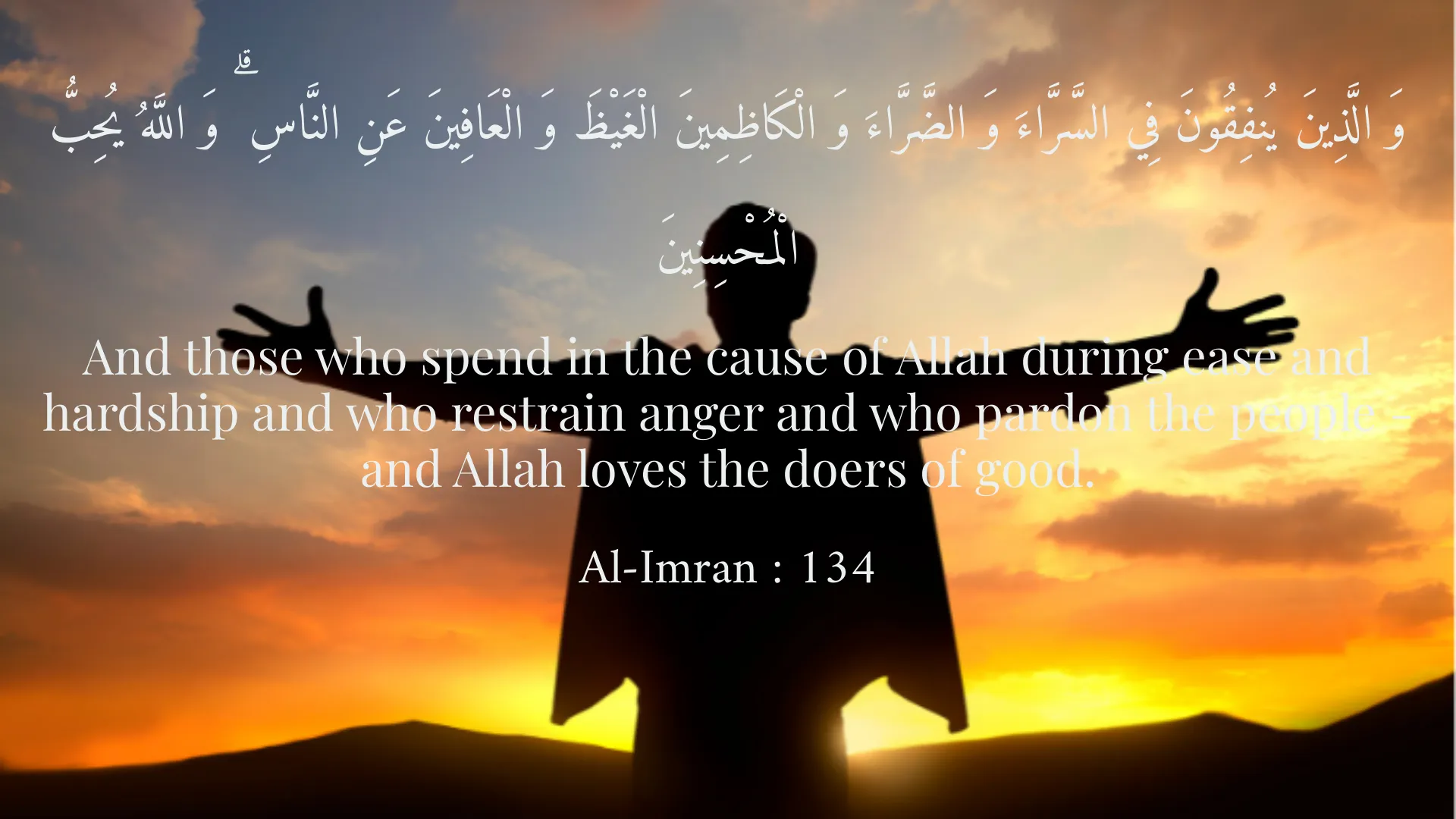
وَ الَّذِينَ يُنفِقُونَ فِي السَّرَّاءَ وَ الضَّرَّاءَ وَ الْكَاظِمِينَ الْغَيْظَ وَ الْعَافِينَ عَنِ النَّاسِ ۗ وَ اللَّهُ يُحِبُّ الْمُحْسِنِينَ
And those who spend in the cause of Allah during ease and hardship and who restrain anger and who pardon the people - and Allah loves the doers of good.
Al-Imran : 134
قُلْ تَعَالَوْا أَتْلُ عَلَيْكُمْ مَا حَرَّمَ رَبُّكُمْ عَلَيْكُمْ أَلَّا تَشْرِكُوا بِهِ شَيْئًا وَ بِالْوَالِدَيْنِ إِحْسَانًا وَ أَلَّا تَقْتُلُوا أَوْلَادَكُمْ مِنْ إِمْلاقٍ ۚ نَحْنُ نَرْزُقُهُمْ وَ إِيَّاكُمْ
Say, 'Come, I will recite what your Lord has prohibited to you - that you not associate anything with Him, and to parents, good treatment, and do not kill your children out of poverty - We provide for them and you.'
Al-An'am : 151
Short Story
One day, a boy named Ali returned home with a heart full of hatred. He felt upset due to a conflict with his friends. His mother, sensing his distress, embraced him and said, 'My dear, the Quran teaches us to let go of hatred and to forgive in order to find peace.' After contemplating this, Ali decided to set his feelings aside and forgive his friends. After this decision, he felt a greater sense of satisfaction and peace regarding himself and his life.