Quranic Answer
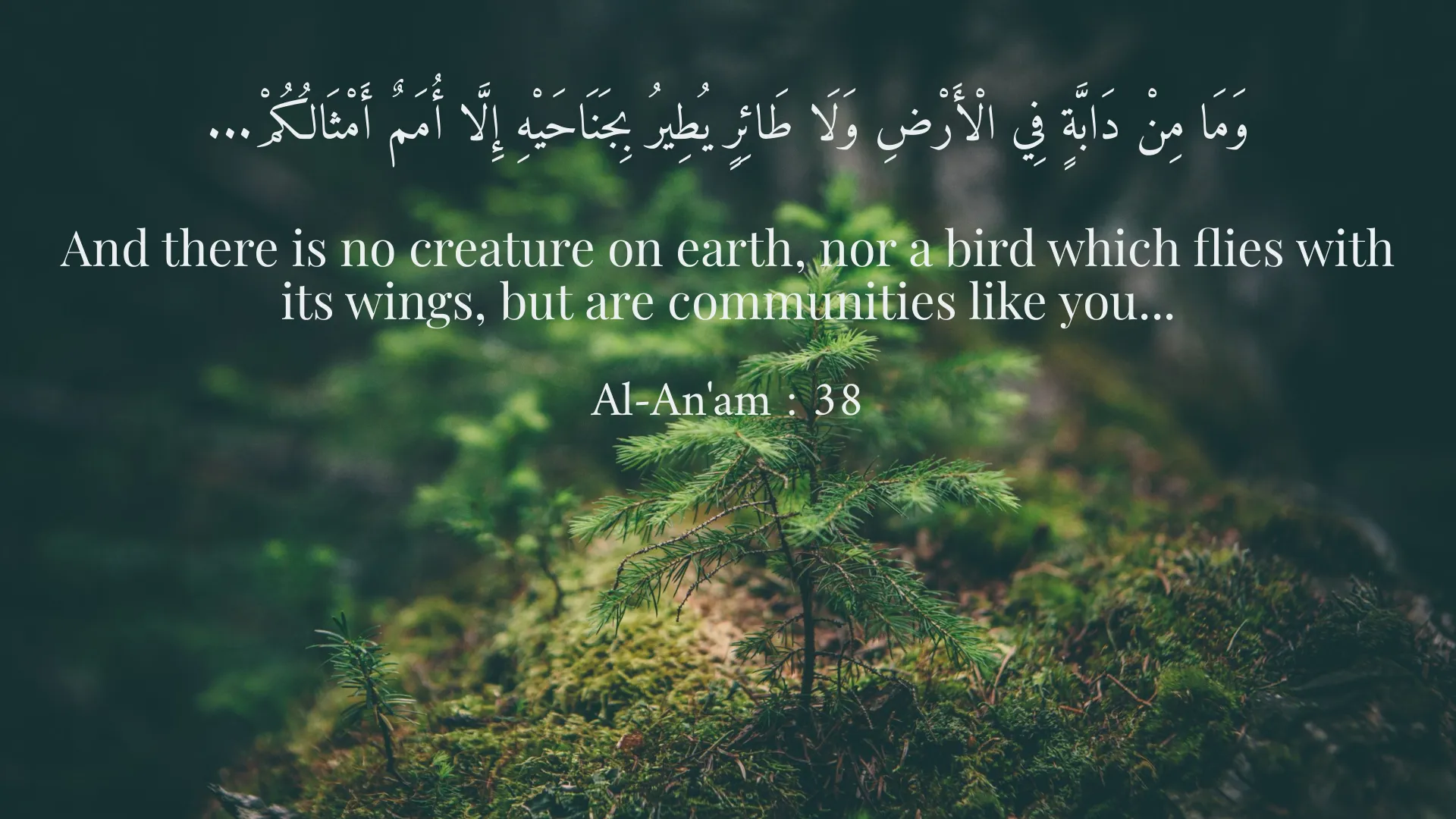
The Holy Quran refers to animal rights and emphasizes the treatment of animals by humans. This sacred text highlights the importance of respect for living beings and mandates kindness and compassion towards them. The principles laid out in the Quran serve as a foundation for the ethical treatment of animals and remind humanity of its responsibilities towards all living creatures. Animals occupy a vital place in the ecological balance of our planet. They contribute to the ecosystem in various ways, such as pollination, seed dispersal, and even maintaining the food chain. The Quran recognizes this intricate web of life and calls upon humans to acknowledge our role as stewards of the Earth. The reverence for animal rights is deeply rooted in the Islamic tradition and shaped by the teachings from this divine book. The Quran emphasizes that all creatures are communities similar to humans. For instance, in Surah Al-An'am, verse 38, Allah states: 'And there is no creature on earth, nor a bird which flies with its wings, but are communities like you...' This verse indicates that all living beings, including animals, possess their own social structures and communities. This understanding fosters a sense of responsibility among humans to honor the rights of these creatures, recognizing that they play an integral role in the ecosystem alongside humans. It is a reminder that no creature is insignificant in the divine plan; that all possess a value and purpose. Moreover, each species has its unique contributions to the environment. The survival of various animal species supports the well-being of humans and the planet at large. Thus, the Quran’s teachings encourage humans to adopt a compassionate and respectful attitude towards non-human life forms. When we honor animal rights, we acknowledge their essential role in maintaining ecological harmony. Continuing with the notion of respect and justice, Surah Al-Baqarah, verse 205, further emphasizes the necessity of maintaining fairness in all aspects of life, including animal treatment and environmental stewardship. The verse mentions: 'And when he goes away, he strives throughout the land to cause corruption therein and destroy crops and livestock...' This highlights the dangers of failing to uphold justice and care for the rights of animals. Causing harm to animals not only disturbs the balance of nature but also reflects a larger moral decay within society. It suggests that those who act without consideration of their impact on animals and the environment are contributing to corruption and vice. The ethical treatment of animals is not merely a social concern but a profound moral imperative that stems from religious teachings. Islam fundamentally encourages a harmonious relationship between humans and animals. The Prophet Muhammad (peace be upon him) underscored this connection through several hadiths that advocate kindness and compassion towards animals. There is a famous saying that 'Allah loves those who uphold justice,' which also pertains to the treatment of animals. This principle serves as a reminder of the ethical responsibilities that come with our dominion over creation. Furthermore, Islam explicitly prohibits cruelty and mistreatment of animals. The Prophet Muhammad (peace be upon him) admonished individuals not to overburden animals or inflict undue harm on them. For instance, there is a narration in which he instructed his companions to provide proper care and treatment for animals, highlighting the need for humane treatment in all circumstances. Compassionate treatment of animals is considered a reflection of one's faith and character. The actions towards animals are seen as a manifestation of one’s moral standing and integrity. As such, ethical treatment of animals is not just a recommendation; it is a commandment that reflects one’s obedience to divine principles. As modern society navigates increasingly complex questions about animal rights, the Quranic teachings provide timeless guidance. These principles can inspire contemporary discourses on animal welfare, pushing for reforms in industries that exploit animals, from agriculture to entertainment. In a world grappling with the consequences of climate change, recognizing animal rights contributes to tackling broader environmental issues. Sustainable practices in agriculture, for instance, emphasize humane treatment of livestock, which can lead to healthier ecosystems and improved human-animal relationships. Education about animal rights is crucial. Raising awareness about the species that inhabit our world and their corresponding rights can foster a sense of empathy and stewardship among people. Engaging community initiatives, legislation aimed at protecting animals, and policies promoting humane practices in industry align with the Quranic call for justice and compassion towards all beings. In conclusion, the foundational teachings of the Quran on animal rights present a compelling case for why we should treat animals with respect and compassion. As stewards of the Earth, we carry the responsibility not only to care for humans but to extend that kindness to all living beings. The Quran serves as a moral compass directing humanity towards a more empathetic and conscientious relationship with animals. By adhering to these values, we can cultivate a more just and equitable world for all of God’s creations, reinforcing the belief that justice, compassion, and ethical accountability must guide our interactions with the creatures that share our planet.
Related Verses
وَمَا مِنْ دَابَّةٍ فِي الْأَرْضِ وَلَا طَائِرٍ يُطِيرُ بِجَنَاحَيْهِ إِلَّا أُمَمٌ أَمْثَالُكُمْ...
And there is no creature on earth, nor a bird which flies with its wings, but are communities like you...
Al-An'am : 38
وَإِذَا تَوَلَّى سَعَى فِي الْأَرْضِ لِيُفْسِدَ فِيهَا وَيُهْلِكَ الْحَرْثَ وَالنَّسْلَ...
And when he goes away, he strives throughout the land to cause corruption therein and destroy crops and livestock...
Al-Baqarah : 205
Short Story
One day, Jesus was sitting with his friends in a beautiful garden, admiring nature. Suddenly, one of his friends spotted a bird struggling to fly. Together, they decided to help the bird. With kindness and patience, they rescued it and moved it to a safe place. This experience made them all reflect on how they should respect all of God's creations and honor their rights. Remembering this story is always a reminder of the teachings in the Quran.