Quranic Answer
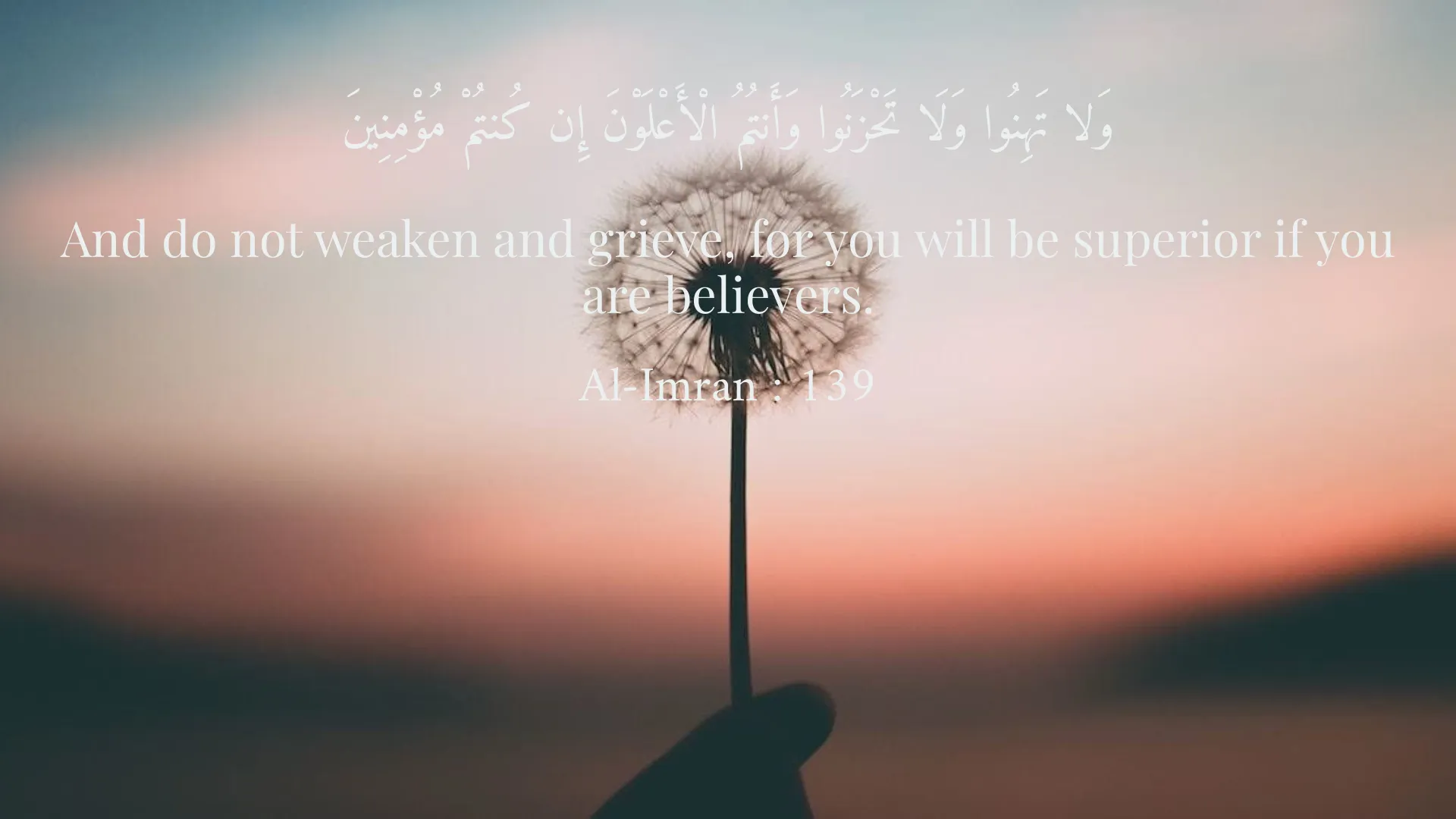
The Quran, revered by millions of Muslims around the globe, is not just a religious document but a comprehensive guide that addresses various aspects of life. Among the myriad themes found within its verses is the call for courage against oppression and hypocrisy. In a world often filled with injustice and deceit, these verses offer inspiration, urging believers to embody the values of bravery and steadfastness in the face of adversity. This article delves into the concept of courage as portrayed in the Quran, providing examples that reinforce the significance of such virtues for Muslims today. At the heart of Islamic teachings is an unwavering belief in justice and truth. The Quran articulates that possessing—and exercising—courage is paramount for every believer. For instance, in Surah Al-Imran, verse 139, it is stated: "And do not grieve, and do not be sad; you will be superior if you are believers." This verse serves as a source of hope and motivation, suggesting that believers who place their trust in Allah and exhibit courage during challenging times will ultimately prevail over their adversaries. It establishes a powerful link between faith and resilience: those who remain steadfast, despite their fears, will find success in both this life and the Hereafter. The notion of courage extends beyond mere physical bravery in warfare. As depicted in other verses of the Quran, true courage embodies qualities such as honesty, perseverance, and an unwavering commitment to justice. Surah Muhammad, verse 35 highlights this when Allah admonishes believers: "And do not be like those who exit from their homes in arrogance and to be seen by the people." This warning underscores the importance of humility when confronting adversaries. Courage, within this context, signifies not merely the absence of fear but the conscious choice to engage in acts of justice and truth, regardless of the circumstances. One poignant example of this type of courage is found in the life of Prophet Muhammad (peace be upon him), the final messenger of Islam. Faced with relentless persecution due to his uncompromising stance on truth and justice, he exemplified bravery that transcended the battlefield. Throughout his mission, he faced hostility from the Quraysh tribe, who sought to silence him for challenging their status quo. Despite threats to his life, he persisted in his message, enduring hardships by faithfully trusting in Allah's wisdom and protection. This kind of bravery—rooted in faith—serves as a model for Muslims today, showing that the essence of courage lies in standing firm for what is right, regardless of the consequences. Moreover, courage extends into daily interactions and situations that may not seem immediately dangerous but nonetheless require a strong moral character. For instance, being honest in difficult conversations, standing against systemic injustice, and aiding those marginalized in society, are all embodiments of courage that the Quran endorses. The call to endure hardships for the sake of justice is reiterated throughout scripture. In Surah Al-Baqarah, verse 177, it is emphasized that righteousness is not limited to mere observance of rituals but extends to social responsibility, such as giving to those in need and standing up for equity. In contemporary contexts, Muslims can derive empowerment from these Quranic teachings, rallying together against oppression in various forms—be it in political, social, or economic arenas. This guidance becomes particularly relevant with the challenges faced by many Muslim communities around the world. By promoting a culture of courage, individuals are encouraged to take a stand against injustice, fighting against discrimination not only through words but through actionable efforts. Furthermore, the Quran encourages believers to remain united in their pursuit of justice. Surah Al-Anfal, verse 46 states: "And do not dispute and lose courage and [then] your strength would depart, and be steadfast. Indeed, Allah is with the steadfast." This verse highlights the importance of solidarity among Muslims in the face of adversity, emphasizing that collective courage can yield powerful results. When individuals support each other in their quests for justice, they fortify their collective strength and resolve. In conclusion, the lessons of courage embedded in the Quran remain vitally important in today’s world. These verses urge believers to embody courage not only in the physical realm but also in their moral principles and social interactions. By promoting resilience and truthfulness in all areas of life, Muslims are better equipped to confront oppression and hypocrisy, ultimately fostering a society marked by justice and compassion. The Quran eloquently teaches that courage must be harmonized with faith, as this equilibrium is fundamental in guiding individuals to navigate the trials of life. As Muslims strive to follow these teachings, they contribute to a broader narrative of peace and harmony, standing tall against deceit and injustice in the world.
Related Verses
وَلا تَهِنُوا وَلَا تَحْزَنُوا وَأَنتُمُ الْأَعْلَوْنَ إِن كُنتُمْ مُؤْمِنِينَ
And do not weaken and grieve, for you will be superior if you are believers.
Al-Imran : 139
فَلَا تَهِنُوا فِي ابْتِغَاءِ الْقَوْمَ فَإِنَّهُم يُنظَرُونَ رَحْمَةَ اللَّهُ وَمَغْفِرَةَهُ
So do not weaken in seeking the people, for they are looking for Allah's mercy and forgiveness.
Muhammad : 35
Short Story
One day, a man named Hosam decided to show courage against the oppression and corruption in his community. He recalled the verses of the Quran and realized that remaining silent against truth is a significant error. With this thought, Hosam joined the crowd and raised his voice. He urged the people to stand against injustice and to fight for the truth. With this act, Hosam not only taught others about bravery but also found many friends who joined him. The crowd progressed together in their quest for justice and truth, and Hosam realized that his courage brought about a positive change in his community.