Quranic Answer
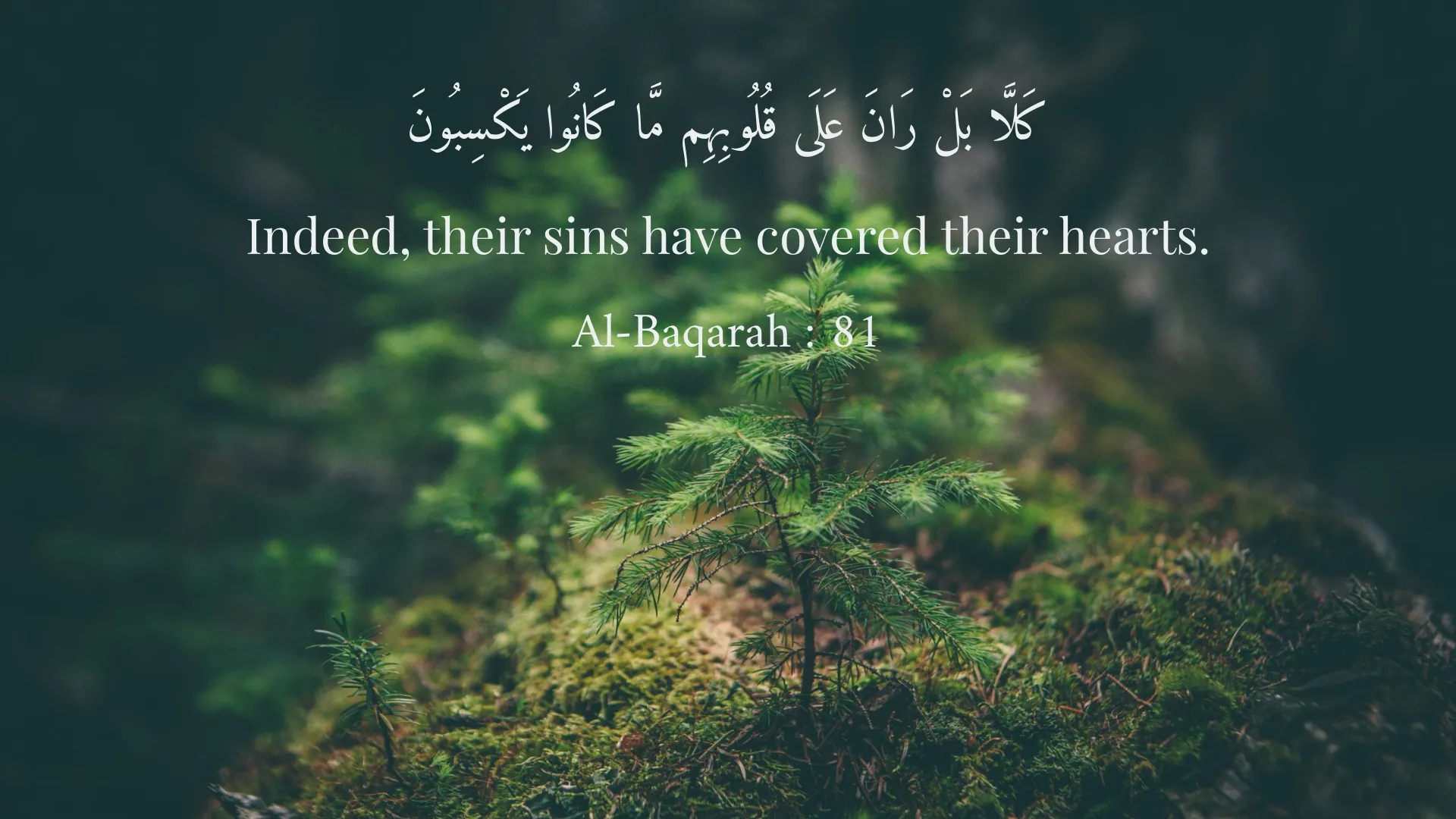
The Holy Quran, a divine scripture followed by millions around the globe, holds profound wisdom within its verses, offering guidance on various aspects of life, including the understanding of sin and its consequences. One of the core messages emphasized in the Quran is the importance of being vigilant regarding the dangers of sin and its impact on the individual’s spiritual and moral well-being. This theme is deeply woven throughout its chapters, with particular emphasis in key verses that resonate with believers' hearts. In Surah Al-Baqarah, verse 81, Allah states: 'Indeed, those who do wrong are sealed over their hearts.' This verse serves as a potent reminder that sins can obscure the truth and hinder one's ability to perceive faith and goodness. The metaphor of a 'sealed heart' conveys a powerful image of spiritual blindness—a state where an individual becomes oblivious to the divine guidance and blessings that surround them. The gradual accumulation of sin can lead to a thick veil over one's heart, darkening the longing for remembrance of Allah. This deterioration of the heart is not sudden but rather a process that can happen slowly, concealing one's understanding and causing them to stray further from the path of righteousness. One must consider the implications of allowing sin to take root in the heart. Initially, a sin might seem trivial or insignificant, often overlooked in the daily hustle and bustle of life. However, this complacency can lead to severe consequences in the long run. A small act of disobedience can gradually evolve into a habit, manifesting into more grievous transgressions if not checked. This is why the Quran not only warns against the visible sins but also highlights the dangers of hidden sins—those which may not be apparent to the outside world but are destructive to the soul. In Surah Al-Imran, verse 135, believers are urged to be mindful of their hidden sins, as the verse proclaims: 'And those who regret their sins and, in this world and the Hereafter, fear the fire shall be joyful.' This exhortation underscores the significance of self-awareness and accountability among believers. Regret, or sincere remorse for one's transgressions, is vital not only for personal growth but also for one's relationship with Allah. Through this acknowledgment of imperfection, believers can instigate a profound transformation in their spiritual journey. Furthermore, the reference to fearing the fire serves as an essential reminder of the consequences that sin can bring in the Hereafter. The Quran frequently emphasizes the ephemeral nature of this world and juxtaposes it with the permanence of the afterlife. Therefore, the notion of fearing the consequences of one's sins is not only a deterrent from sinful behavior but also an invitation to seek forgiveness and revert to a righteous path. This aspect of seeking repentance is beautifully encapsulated in the Islamic belief that Allah is the Most Forgiving and Most Merciful. No matter how many sins one may have committed, there is always an opportunity for redemption through sincere repentance. The act of turning back to Allah and seeking forgiveness is critical in maintaining a sound heart. As believers navigate through their lives, they must remain vigilant against the creeping nature of sin, which can distance them from God. The Quran encourages believers to be proactive in nurturing their spirituality—to engage in regular acts of worship, to invoke the remembrance of Allah, and to uphold the ethical principles laid down in the divine text. These practices act as a safeguard against moral degradation, aligning oneself with the righteous while reinforcing faith in God. In the face of everyday temptations and distractions, the Quran's guidance remains clear: one must prioritize their spiritual journey by being aware of both overt and subtle forms of sin. The gradual process of moral decay may seem innocuous at first, but getting entangled in sin can erode one's character, faith, and sense of belonging with Allah. The Quran serves as a perpetual reminder that one’s spiritual integrity is paramount, urging believers to abstain from hidden sins effectively and to cultivate a sincere relationship with Allah. Moreover, fostering a community that is supportive of righteous living plays an integral role in countering the influences of sin in everyday life. The companions of Prophet Muhammad (peace be upon him) were known for their piety and vigilance against sinful behavior, often encouraging one another to strive for moral excellence. This collective reminder and support can significantly bolster an individual's resolve in steering clear from wrongdoings. In conclusion, the Holy Quran solidifies the notion that being aware of the dangers of sin is imperative for every believer. Through its verses, believers are not only reminded of the consequences of sinful behavior—such as the spiritual sealing of the heart—but are also encouraged to fear the punishment of the Hereafter. Acknowledging one’s sins and seeking repentance are fundamentally important to regain closeness with Allah. Therefore, as believers navigate the complexities of life, they must always be vigilant of both overt and hidden sins, ensuring that they consistently align themselves with righteousness. The journey of faith is ongoing, and the Quran serves as both a guide and a constant reminder of the profound importance of remaining ever watchful against the subtle traps of sin. Only through dedication to spiritual integrity and commitment to remembering Allah can one safeguard their heart from darkness and thrive in the light of faith.
Related Verses
كَلَّا بَلْ رَانَ عَلَى قُلُوبِهِم مَّا كَانُوا يَكْسِبُونَ
Indeed, their sins have covered their hearts.
Al-Baqarah : 81
وَالَّذِينَ إِذَا فَعَلُوا فَاحِشَةً أَوْ ظَلَمُوا أَنفُسَهُمْ ذَكَرُوا اللَّهَ فَاسْتَغْفَرُوا لِذُنُوبِهِم
And those who, when they commit an immorality or wrong themselves, remember Allah and seek forgiveness for their sins.
Al-Imran : 135
Short Story
One day, a man named Hamed was walking down the street when he noticed an old man sitting in a corner, looking sadly at the ground. Hamed decided to approach him and ask how he was doing. The old man said, 'For years, sins have plagued my heart, preventing me from finding peace.' Hamed recalled the verses of the Quran and told the old man that sins can be like seeds that gradually take root in the heart. He encouraged him to repent and seek forgiveness to cleanse his heart. The old man thanked Hamed, turning to God and vowing to distance himself from sins.