Quranic Answer
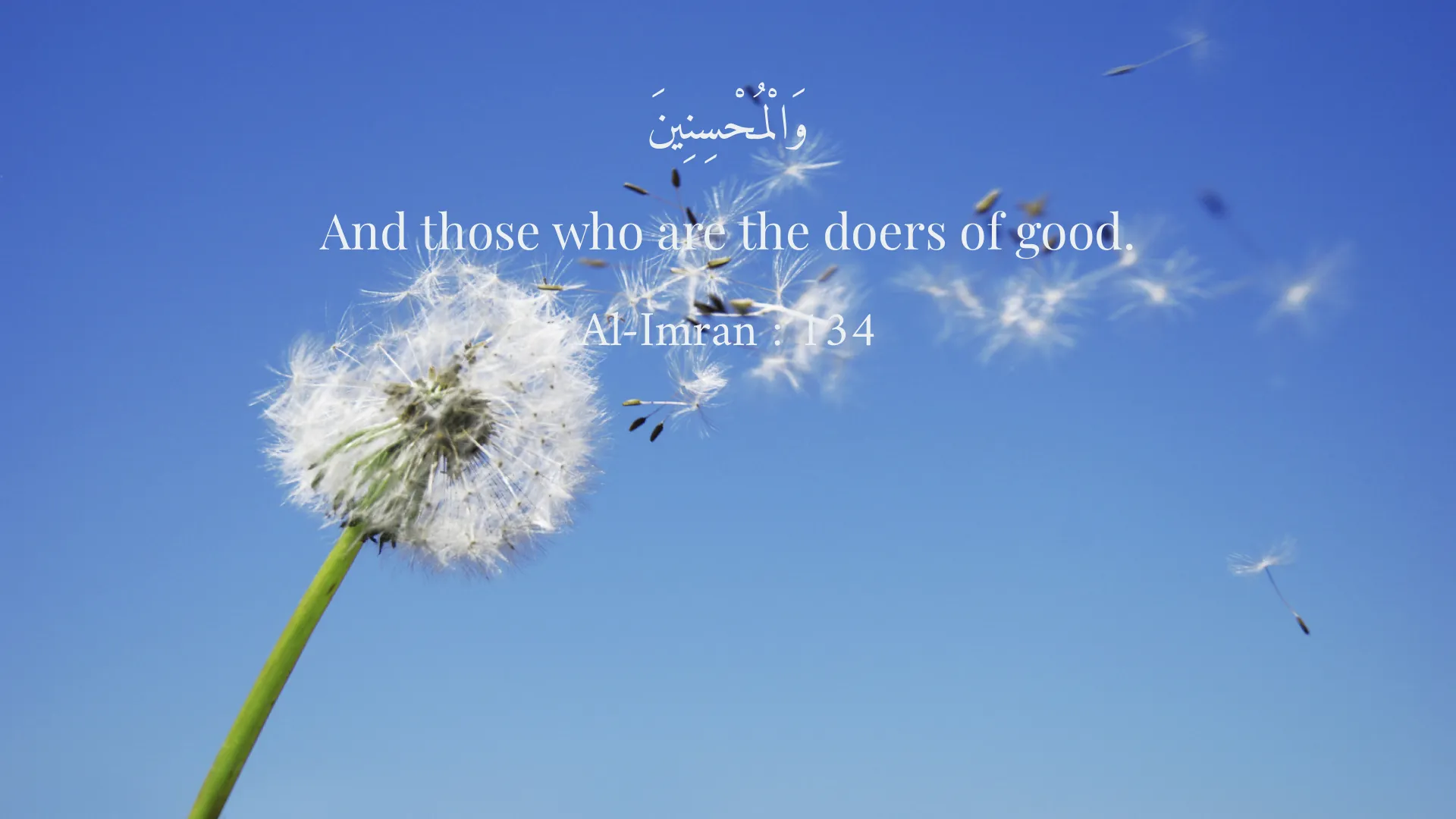
The Role of Anger Management in the Holy Quran: A Comprehensive Understanding In contemporary society, emotional intelligence and the ability to manage our emotions have gained recognition as essential skills for personal and social success. Among the various emotions we experience, anger stands out as one of the most potent yet destructive forces. The Holy Quran provides profound insights into managing this emotion, emphasizing the importance of controlling anger and behaving in a manner that reflects compassion and grace. This article will delve into the Quranic verses and teachings that address anger management and illustrate their relevance in fostering moral character and a peaceful community. The Quran is a guide for Muslims seeking to live a life aligned with divine teachings. One key theme present in the Quran is the emphasis on ethical conduct and the development of a righteous character. In Surah Al-Imran, verse 134, Allah states, 'And those who are the doers of good.' This verse highlights a fundamental characteristic of the righteous: their capacity to manage their anger effectively. The phrase 'doers of good' is not merely a reflection of outward actions; it hints at the inner emotional state that prompts such behavior. Individuals who can channel their emotions positively, even in challenging situations, are honored as those who embody goodness. Further elaborating on the theme of managing conflict and responding to adversity, Surah Fussilat, verse 34 states, 'And when they pass by ill speech, they pass by with dignity.' This verse serves as a behavioral guideline for individuals encountering negativity or provocation. Instead of retaliating with harsh words or actions, the Quran invites believers to respond with grace and dignity. This approach symbolizes a profound understanding of emotional regulation, demonstrating that one’s response to anger is a reflection of their character and moral standing. The implications of these verses are manifold, as they encourage believers to adopt a proactive stance towards anger management. By choosing to respond to ill speech with dignity, individuals can de-escalate potential conflicts, transforming moments of anger into opportunities for growth and understanding. The Quran’s teaching elucidates that controlling anger is not merely a recommendation; it is a pathway to maintaining harmony within oneself and within society at large. Moreover, the teachings of Prophet Muhammad (PBUH) provide further clarity on the significance of anger management. A notable hadith states, 'Whoever controls their anger, Allah grants them light in their heart.' This statement underscores the spiritual consequences associated with anger management. By controlling anger, individuals cultivate a sense of tranquility and enlightenment that fosters a deeper connection with the Divine. The notion of 'light in their heart' suggests that those who master their emotions are granted wisdom, patience, and clarity in their lives. Uncontrolled anger can lead to dire consequences. It not only affects personal relationships but can also have detrimental effects on social harmony. In a state of rage, individuals may act irrationally, resulting in actions they may later regret. The implications of such actions can be far-reaching, leading to the deterioration of relationships, a breakdown of trust, and an overall atmosphere of hostility. Therefore, it becomes imperative for believers to consciously work towards regulating their anger to avoid the chaos that often accompanies unchecked emotions. The Quran and Prophet Muhammad’s (PBUH) teachings serve as guiding lights for Muslims navigating the complex terrain of human emotions. In times of stress or conflict, the reminders from the Quran and hadiths encourage individuals to take a step back, evaluate their feelings, and choose a path that reflects kindness and dignity. This approach not only paves the way for personal development but also fosters communal peace and unity. Furthermore, the process of managing anger can be seen as a form of self-discipline. Just as one trains the body to perform physical tasks, training the mind and spirit to regulate emotions requires practice and commitment. Techniques such as deep breathing, reflection, and seeking support from trusted friends or family members can be invaluable in moments of emotional turmoil. Engaging in regular prayer and meditation can also serve as powerful tools to center oneself and gain control over angry impulses. The Quranic perspective on anger management transcends mere behavioral modification; it embodies a holistic approach towards achieving emotional balance and moral integrity. Recognizing that anger is a natural human emotion, the Quran advocates for constructive channels that facilitate healthy expression without devolving into aggression or harm. This nuanced understanding encourages believers to embrace their emotions while fostering an environment of compassion and mutual respect. In conclusion, the message conveyed in the Holy Quran regarding anger management is clear and powerful. Through verses encouraging dignity in the face of disrespect and teachings from the Prophet Muhammad (PBUH), believers are reminded of the importance of emotional regulation and its profound impact on personal and social life. As individuals strive to embody the principles outlined in the Quran, they contribute not only to their own inner peace but also to a collective atmosphere of understanding and kindness within the community. Therefore, let us take these teachings to heart and endeavor to practice patience, compassion, and emotional intelligence in our everyday lives, cultivating a society that aligns with the values of righteousness and goodness as prescribed in the divine texts.
Related Verses
وَالْمُحْسِنِينَ
And those who are the doers of good.
Al-Imran : 134
وَإِذَا مَرُّوا بِاللَّغْوِ مَرُّوا كِرامًا
And when they pass by ill speech, they pass by with dignity.
Fussilat : 34
Short Story
One day, an angry man encountered another in the market and insulted him. However, the insulted man responded calmly, saying, 'I do not know you, but my words and actions must be good.' This reaction made the angry individual realize that his needless anger only brings trouble and takes away his peace.