Quranic Answer
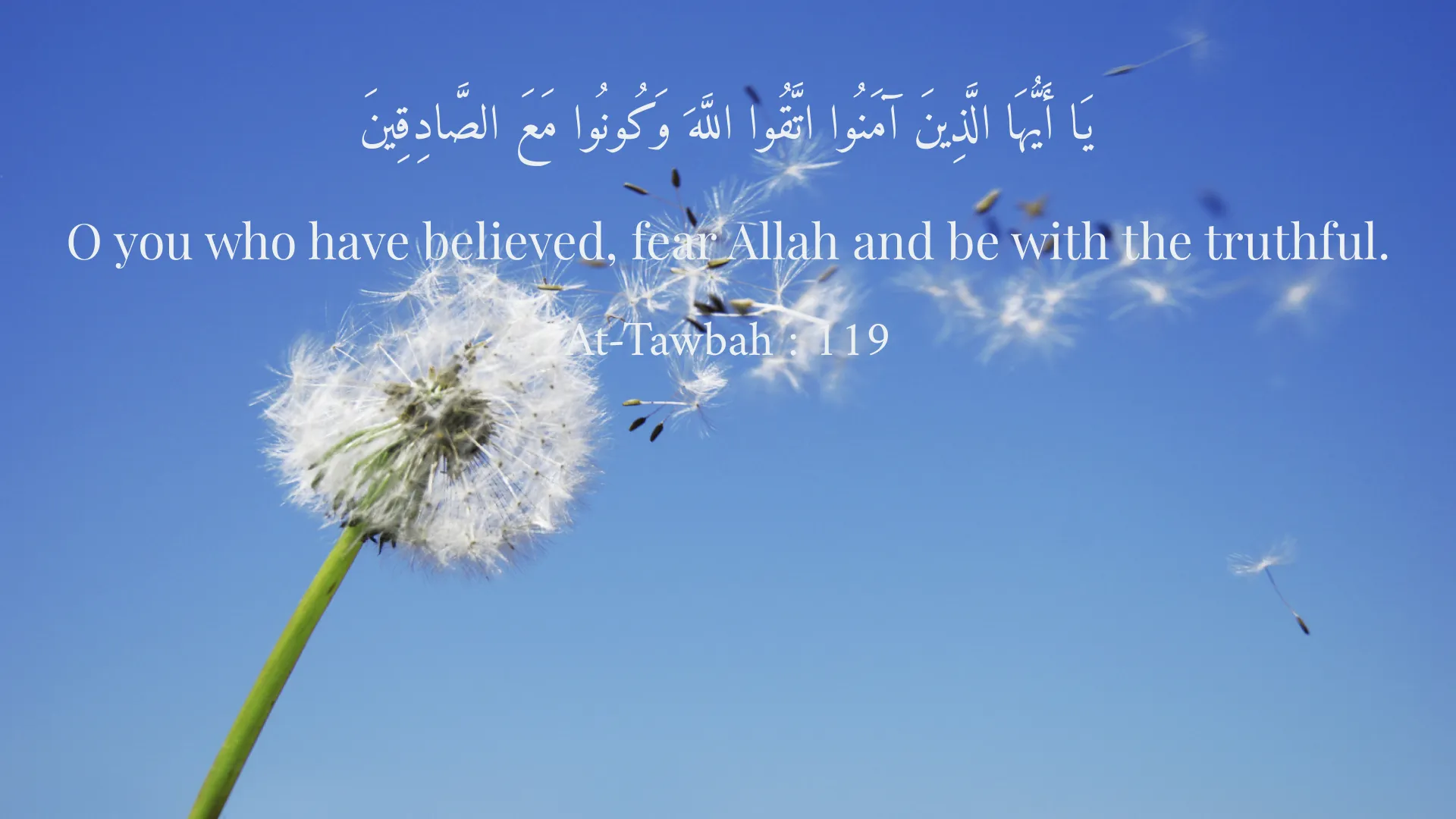
### The Importance of Honesty in Islam: A Comprehensive Analysis Honesty is a cornerstone virtue that holds significant value in various cultures and religions, but in Islam, it is elevated to a sacred obligation. The Holy Quran, regarded as the verbatim word of God by Muslims, emphasizes the importance of honesty in multiple verses, establishing it as a fundamental characteristic of a believer’s personality. This article seeks to explore the multifaceted concept of honesty as portrayed in the Quran, its implications for personal conduct, and how individuals can foster honesty in their daily lives. #### Quranic Foundations of Honesty One of the most notable verses that highlight the significance of truthfulness in Islam is found in Surah At-Tawbah (9:119): "O you who have believed, fear Allah and be with the truthful." This verse serves not only as a divine command but also as a guiding principle for believers. The call to 'fear Allah' adds a spiritual dimension, indicating that piety and mindfulness of God should encourage individuals to adhere to truthfulness. Here, Allah instructs believers to associate with those who are truthful, suggesting that one's environment and companions can significantly influence personal integrity. This aspect of community and relationships is vital in nurturing a culture of honesty, as it encourages individuals to take truthful people as role models, creating a ripple effect of honesty within communities. In addition to encouraging association with truthful individuals, the Quran cautions against ignorance and deception. In Surah Al-Isra (17:36), Allah forbids following that which one has no knowledge of: "And do not follow that of which you have no knowledge. Indeed, the hearing, the sight, and the heart will all be questioned." This verse underscores the importance of being informed and aware, extending the notion of honesty beyond mere words to encompass thoughts and actions. Ignorance can lead to unintentional dishonesty, and thus, Muslims are encouraged to seek knowledge and truth in all matters. #### Honesty in Speech and Action Islamic teachings make it clear that honesty is not restricted to speech; it is a holistic principle that encompasses actions and behaviors. A person who is truthful in their words must also exhibit that truth through their deeds. This congruence between speech and action is crucial as it fosters trust and credibility. For instance, an individual may verbally profess honesty, yet if their actions are deceitful or dishonest, their words lose significance. Therefore, a truthful person seeks to align their spoken truths with observable behaviors, creating a trustworthy persona that others can rely on. Furthermore, to gain others' approval should never come at the cost of honesty. Resorting to lies may yield immediate benefits, but it ultimately compromises one’s integrity and self-respect. In Islamic teachings, the pursuit of worldly acknowledgment should never overshadow one's commitment to truth. A person may find that maintaining honesty leads to difficult situations, but the long-term consequences are far more rewarding; honesty fosters deeper relationships and a clear conscience. #### The Role of Piety and Righteousness In the pursuit of honesty, piety and righteousness play a pivotal role. A believer should constantly be aware of Allah's presence and strive to align their actions in ways that earn His pleasure. This mindset allows an individual to contemplate whether their actions reflect honesty. To cultivate honesty, one must ask themselves challenging questions: "Are my actions aligning with my beliefs?" or "Am I living a life that reflects my values?" Such self-reflection fosters a greater sense of accountability. Moreover, the pursuit of piety encourages one to seek forgiveness when failing to uphold honesty. In Islam, seeking repentance is a means of returning to the right path, allowing individuals to acknowledge faults and recommit to a life defined by truthfulness. This cycle of striving, failing, repenting, and improving underscores that honesty is not merely a trait but a continual process of personal growth. #### The Benefits of Honest Communication Establishing honest communication with oneself and others is essential for fostering inner peace and greater self-confidence. When individuals engage in honest dialogues, they develop an authentic connection with others, leading to stronger relationships. Transparent communication facilitates understanding and reduces conflicts. By being open and honest, individuals foster a safe atmosphere where others feel encouraged to reciprocate. In personal relationships, honesty builds trust, which is the foundation of any meaningful interaction. Whether it's a friendship, a family bond, or a romantic relationship, honesty engenders a sense of security. Individuals are more likely to express their thoughts, emotions, and vulnerabilities, knowing that they are engaging with someone who values truth. This practice of open communication often translates into less misunderstanding and more profound mutual respect. On a larger scale, honesty in communication extends to professional environments as well. A workplace that promotes honesty cultivates a culture of respect and integrity, enhancing team cohesion and productivity. When managers and employees communicate truths openly, it can lead to better decision-making processes and a harmonious work atmosphere. #### Conclusion In conclusion, honesty is a vital quality strongly emphasized in the Quran and serves as a guiding principle for Muslims around the world. Its importance extends beyond mere words to encompass actions, behaviors, and one's overall character. By nurturing relationships with truthful individuals, pursuing knowledge, practicing self-reflection, and engaging in honest communication, individuals can foster a culture of honesty in their personal and community lives. Ultimately, the essence of honesty lies in a sincere commitment to truthfulness, which translates into enhanced relationships, greater self-confidence, and a deeper connection with one's faith. The teachings of Islam assert that by being truthful, individuals align themselves with divine commands, achieving not only personal satisfaction but also fostering a more honest and compassionate society.
Related Verses
يَا أَيُّهَا الَّذِينَ آمَنُوا اتَّقُوا اللَّهَ وَكُونُوا مَعَ الصَّادِقِينَ
O you who have believed, fear Allah and be with the truthful.
At-Tawbah : 119
وَلَا تَقْفُ مَا لَيْسَ لَكَ بِهِ ۤ عِلْمٌ ۚ إِنَّ السَّمْعَ وَالْبَصَرَ وَالْفُؤَادَ كُلُّ أُولَـٰئِكَ كَانَ عَنْهُ مَسْئُولًا
And do not follow that of which you have no knowledge. Indeed, the hearing, the sight, and the heart will all be questioned.
Al-Isra : 36
Short Story
One day, Ali was reflecting on his honesty. He decided to be more truthful in his life and, in this regard, made friendships with those who valued honesty. Over time, he realized that honesty not only made his life more beautiful but also garnered the trust of those around him.