Quranic Answer
In the intricate tapestry of human existence, love and kindness stand out as fundamental virtues that hold the power to shape and elevate societies. Within the rich teachings of Islam, these values are not merely encouraged; they are mandated as essential components of a believer's life. The emphasis on love and kindness is starkly illustrated in the verses of the Holy Quran, where Allah, the Most Merciful, instructs His followers to embody these characteristics in their interactions with others. This article aims to delve into the significance of love and kindness in Islam, highlighting the Quranic verses that illustrate these values while demonstrating their profound impact on interpersonal relationships and societal dynamics. To begin with, the profound connection between love, kindness, and the notion of forgiveness within Islam cannot be understated. The Quranic verse found in Surah Al-Imran (3:134) encapsulates this sentiment beautifully: "And those who spend [in the cause of Allah] during ease and hardship and who restrain anger and who pardon the people - and Allah loves the doers of good." This verse serves as a potent reminder for believers that the act of kindness transcends mere words; it requires action, particularly during times of hardship when our patience is tested the most. When one can extend compassion, even in the face of personal grievances, it reflects a profound understanding of the human condition and fosters a sense of community and belonging. Moreover, the act of forgiving others, as mentioned in this verse, not only alleviates personal burdens but also cultivates a spirit of unity. It is essential to recognize that harboring anger and resentment can lead to division; thus, the Quran encourages the practice of forgiveness as a means of healing relationships. This theme resonates throughout Islamic teachings, as forgiveness is regularly portrayed as a divine attribute, urging humans to emulate their Creator's mercy. Adding another layer to this discussion, Surah An-Nur (24:19) further emphasizes the importance of maintaining love and decorum in social interactions: "Indeed, those who like to see immoralities disseminated among those who have believed will have a painful punishment in this world and the Hereafter. And Allah knows and you do not know who believes and who is a hypocrite." This verse highlights two critical points. Firstly, it illustrates the dangers of spreading negativity and judgment among people, and secondly, it reminds believers that only Allah possesses complete knowledge of the intentions of individuals. Hence, the focus should remain on fostering positive connections rather than indulging in gossip or judgment. In a world often marred by misunderstandings, intolerance, and hostility, the teachings of Islam regarding love and kindness offer a refreshing perspective. Redirecting our energies towards compassion has remarkable effects not only on our relationships but also on our emotional well-being. When we approach others with kindness, we create opportunities for understanding and connection, often transforming adversarial encounters into moments of shared humanity. The notion that empathy can develop in the face of conflict is a cornerstone of Islamic teaching, drawing on the belief that love is more powerful than hatred. Love, as encouraged by Islam, acts as a healing balm for wounds inflicted by hatred and judgment. When we encounter behavior that we deem inappropriate or immoral, instead of responding with anger, we are called to offer sympathy and assistance. An important aspect of this teaching is recognizing that everyone faces personal struggles—what we see is often merely the surface of their battles. Hence, viewing others through a lens of compassion and understanding can lead to profound changes, both within ourselves and the wider community. Furthermore, the virtues of love and kindness are not limited to personal relationships but extend to our treatment of all living beings. The Sunnah of Prophet Muhammad (peace be upon him) serves as a guiding light in this regard. He emphasized the importance of kindness to even the smallest creatures and regarded it as a manifestation of one's faith. Such teachings encourage believers to become stewards of their communities, fostering an environment in which love reigns supreme. In discussing the significance of love and kindness in Islam, it is integral to explore their potential socio-political implications. By fostering a culture rooted in compassion, societies can combat divisive ideologies that often lead to conflict. The teachings that advocate for harmony and empathetic understanding can be potent antidotes to the rising tide of judgment and hatred permeating modern discourse. Thus, when individuals prioritize these qualities, they contribute to a collective effort to build societies anchored in love, tolerance, and mutual respect. In conclusion, the manifestation of love and kindness as illustrated in the Quran and the teachings of the Prophet Muhammad (peace be upon him) provides invaluable wisdom for navigating life's complexities. Through the emphasis on forgiveness, compassion, and understanding, Islam offers a path that encourages individuals to prioritize human experiences and foster positive relationships. Ultimately, as we strive to embody these virtues, we not only enhance our own lives but also inspire others to do the same, creating a ripple effect of love that transcends boundaries. Therefore, let us make a conscious effort to integrate these teachings into our daily lives, nurturing a community that values kindness and compassion above all else.
Related Verses
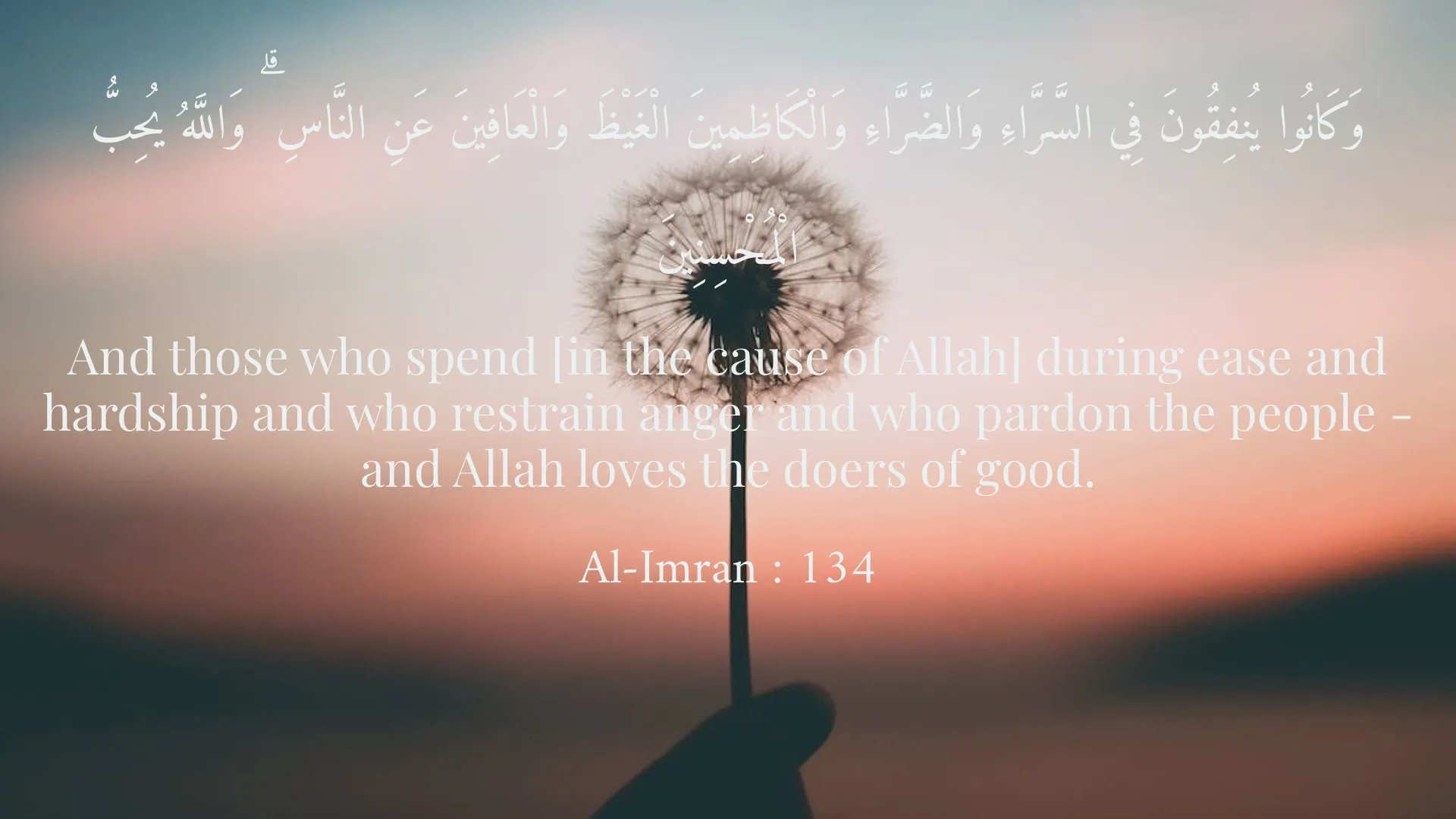
وَكَانُوا يُنفِقُونَ فِي السَّرَّاءِ وَالضَّرَّاءِ وَالْكَاظِمِينَ الْغَيْظَ وَالْعَافِينَ عَنِ النَّاسِ ۗ وَاللَّهُ يُحِبُّ الْمُحْسِنِينَ
And those who spend [in the cause of Allah] during ease and hardship and who restrain anger and who pardon the people - and Allah loves the doers of good.
Al-Imran : 134
إِنَّ الَّذِينَ يُحِبُّونَ أَنْ تَشِيعَ الْفَاحِشَةُ فِي الَّذِينَ آمَنُوا لَهُمْ عَذَابٌ أَلِيمٌ فِي الدُّنْيَا وَالْآخِرَةِ ۗ وَقَدْ عَلِمَ اللَّهُ الَّذِينَ آمَنُوا وَقَدْ عَلِمَ الْمُنَافِقِينَ
Indeed, those who like to see immoralities disseminated among those who have believed will have a painful punishment in this world and the Hereafter. And Allah knows and you do not know who believes and who is a hypocrite.
An-Nur : 19
Short Story
One day, a kind man decides to choose love over judgment. He realizes that his good behavior can bring positive changes in the lives of others. Over time, he finds many friends who respect and love him.