Quranic Answer
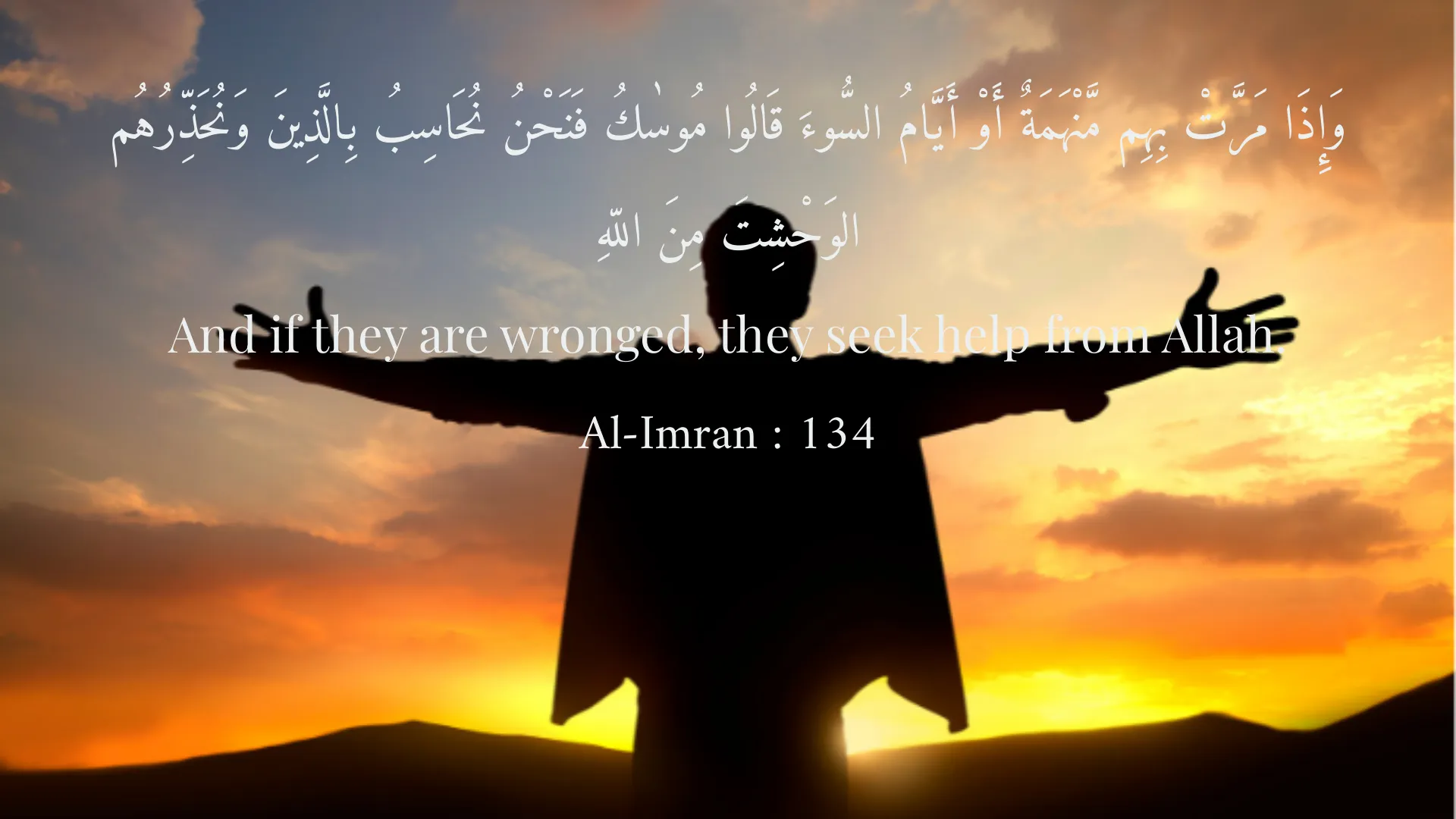
Forgiveness is one of the highest and noblest human virtues emphasized in the Holy Quran. It is a profound act that requires not only the ability to let go but also the willingness to embrace our shared humanity. In verse 134 of Surah Al-Imran, Allah says: 'And if they are wronged, they seek help from Allah.' This powerful verse conveys a message of resilience and patience, urging believers to maintain their moral integrity even when faced with distress and harm. Forgiveness, as depicted in the Quran, is not merely about pardon but also about fostering a deep-seated sense of empathy towards others. We must remember that we are all fallible human beings, susceptible to making mistakes that can hurt others. Therefore, it is crucial to strive toward understanding each other’s shortcomings rather than allowing anger and resentment to dictate our actions. Moreover, the Quran encourages collaboration in human relationships. Verse 54 of Surah An-Nur states: 'And do not make your own hands contribute to your destruction.' This verse not only advocates for forgiveness but also underlines the importance of empathy and cooperation in fulfilling each other's needs. It suggests that in the face of adversity, we should not act in ways that could exacerbate conflicts or create deeper divides. Instead, fostering an environment of forgiveness and understanding can mitigate harm and cultivate harmony among individuals, families, and communities. Further emphasizing the quality of mercy, Surah Al-Ma'idah, verse 13, imparts the message: 'The mercy of Allah is vast, and He is Forgiving and Merciful.' This highlights the boundless capacity of divine mercy, urging us to emulate these qualities in our lives. Reflecting on Allah’s merciful nature can inspire believers to extend the same grace and compassion to those who have wronged them. A central pillar of Islamic teaching is the understanding that acknowledging one’s own shortcomings allows room for empathy toward others. The act of forgiveness transcends simple words and becomes a transformative journey for one's own soul. It's about reflecting upon our own flaws and recognizing that everyone has struggles and challenges that may lead to unintentional wrongdoings. To embark on this journey of forgiveness, one can start with heartfelt prayers and reflections about the individual who has caused harm. This practice allows us to approach forgiveness with an open heart, setting aside grudges and resentment in favor of healing and peace. Emphasizing forgiveness as an important spiritual exercise, the Quran teaches us that harboring ill feelings can lead to greater personal turmoil. Holding onto anger or resentment is likened to self-inflicted damage, obstructing our spiritual growth and peace of mind. By choosing forgiveness, we are not only liberating ourselves but also fostering a healthier environment in our communities. This act of letting go can lead to reconciliation that benefits both parties involved. Psychologically, forgiveness has been shown to provide numerous mental health benefits, including reduced anxiety, decreased depression, and improved overall well-being. Interpersonal relationships thrive in an atmosphere where forgiveness is valued, as it encourages open communication and strengthens bonds. When individuals practice forgiveness, it contributes to a culture of understanding, acceptance, and love. One practical approach to envisioning forgiveness involves meditation on the principles of empathy. Consider the context and intentions behind a person's actions before immediately judging them harshly. This perspective encourages a shift away from blame and fosters compassion, leading to a greater understanding of each other’s experiences. Nurturing the courage to forgive may also involve recognizing our interconnectedness, as our actions often reflect the complexities of human experience. As practitioners of forgiveness, it may be beneficial to create opportunities for dialogue, where grievances can be expressed and addressed. Studies have shown that open communication is integral to healing rifts in relationships. By providing a safe space for dialogue, we can promote an environment where forgiveness is attainable and desired. The act of confronting conflict with a mindset geared towards resolution is vital for personal and communal growth. Additionally, participating in community service or helping those who are suffering can aid in fostering a spirit of forgiveness. Engaging in altruistic acts reminds us of the struggles that others endure and can help cultivate empathy. Through such experiences, we reinforce the understanding that we are all in this together, encouraging a shared commitment to forgiveness. Ultimately, the journey of forgiveness is not a one-time event but rather a continuous practice that requires effort, reflection, and patience. It may involve moments of struggle, setbacks, and even anger, which serve as reminders of our human vulnerabilities. However, with a steadfast commitment to unlocking the grace that forgiveness provides, we can develop resilience in the face of hardship. In conclusion, the Quran positions forgiveness as both a personal and communal virtue, embodying the essence of empathy and compassion. By reflecting on the teachings within the Quran and recognizing our shared humanity, we create a pathway to healing and reconciliation. In embracing the qualities of patience and understanding, believers can truly embody the spirit of forgiveness, paving the way for a more peaceful and compassionate world. As we move forward, let us strive to keep forgiveness at the forefront of our hearts and minds, making a conscious effort to build a culture grounded in empathy and love.
Related Verses
وَإِذَا مَرَّتْ بِهِم مَّنْهَمَةٌ أَوْ أَيَّامُ السُّوءَ قَالُوا مُوسٰكُ فَنَحْنُ نُحَاسِبُ بِالَّذِينَ وَنُحَذِّرُهُم الوَحْشِتَ مِنَ اللّهِ
And if they are wronged, they seek help from Allah.
Al-Imran : 134
وَلَا تَجْعَلُوا أَيديَكُمْ كَأَيديَهمْ بَخُلًا، وَلَا تَعَاوَنُوا عَلَى الْإِثْمِ وَالْعُدْوَانِ
And do not make your own hands contribute to your destruction, and do not cooperate in sin and aggression.
An-Nur : 54
فَأَحْصَلَتْ رَحْمَةَ اللهِ إِنَّهُ غَفُورٌ رَّحِيمٌ
The mercy of Allah is vast, and He is Forgiving and Merciful.
Al-Ma'idah : 13
Short Story
One day, a man was seeking the person who always troubled him. He was deeply hurt by that person’s behavior, but when he looked into his heart, he realized that forgiveness was not only about the other person but also about freeing himself from pain. He decided, through prayer and good intentions, to forgive that person, and from that day onward, he felt a greater sense of ease and peace.