Quranic Answer
### Inner Hypocrisy: A Challenge for Believers Inner hypocrisy is a multifaceted challenge that many believers grapple with, impacting not only their spiritual journey but also their daily lives. This inner conflict is more than an external display of faith; it penetrates deep into one's intentions, sincerity, and overall commitment to the teachings of Islam. Rooted in the teachings of the Holy Quran, it becomes imperative for believers to recognize and combat this inner discrepancy to cultivate a genuine faith that is transparent both inside and out. #### The Quran's Perspective on Hypocrisy The Holy Quran confronts the notion of hypocrisy head-on, elucidating that it is not merely confined to outward actions that seem pious while concealing inner disbelief. Indeed, hypocrisy encompasses unworthy intentions that clash with the core values of faith. In Surah Al-Mu'minun, verse 3, Allah fortifies this understanding by emphasizing that a true believer adheres to truth and honesty. This scriptural assertion forms the foundation upon which believers can evaluate their sincerity and devotion to Allah. To confront inner hypocrisy, the initial and perhaps the most crucial step is self-awareness. Believers are encouraged to engage in a thorough examination of their intentions and motivations behind their actions. This self-assessment requires a relentless pursuit of truth, as it is often easy to fall into the trap of mere verbal proclamations of faith without embodying these values in daily conduct. #### The Role of Self-Awareness and Reflection Self-awareness entails a continuously evolving introspective journey. Believers must cultivate an acute understanding of their feelings and thoughts to ensure that their inner beliefs align with their spoken faith. This process can be daunting, as it requires confronting uncomfortable truths about oneself. In Surah Al-Baqarah, verses 8 to 10, Allah highlights individuals who profess faith amicably through their lips while clinging to disbelief within their hearts. This dichotomy is a significant cause for concern; thus, believers must strive to align their hearts with Allah’s teachings. Recognizing one’s inner hypocrisy isn't just about acknowledging its existence; it's also about taking tangible steps to rectify it. Prayer, reflection, and seeking wisdom through the Quran can aid in dispelling the fog of insincerity. Engaging deeply with the Quran allows believers to scrutinize their lives in light of its teachings, providing guidance to steer them toward an unwavering connection with the Creator. #### Engaging with the Quran Reciting and understanding the Quran serves as a powerful antidote against hypocrisy. The Quran is not merely a collection of verses but a living document that offers insights into the complexities of faith and human emotion. The more one engages with the Quran, the more clarity one gains regarding their beliefs and actions. Established scholars and spiritual mentors consistently underscore the significance of fostering a deep connection with this holy text. By absorbing the wisdom contained in its verses, believers can confront the delusions that foster hypocrisy. Surah At-Tawbah, verse 67, elucidates that hypocrites find themselves confounded in their actions and behavior. Hence, immersion in Quranic teachings cultivates the understanding necessary to discern right from wrong, ultimately propelling believers away from a state of hypocrisy. #### Seeking Forgiveness and Divine Guidance Another pathway to combat inner hypocrisy is through active seeking of forgiveness from Allah. Acknowledging one’s shortcomings is a righteous endeavor, demonstrating a commitment to personal growth and spiritual health. In Islam, the concept of repentance is profound; Allah’s mercy is vast, allowing even those who feel lost due to hypocrisy to find their way back. Establishing a routine of seeking forgiveness not only draws believers closer to Allah but also offers a transformative perspective. Amidst seeking forgiveness, believers cultivate a sense of humility, recognizing their limitations as human beings. This acknowledgment serves to fortify their faith and simultaneously dismantles the arrogance associated with hypocritical behavior. It instills the belief that despite one's flaws, they can continue striving for sincerity and honesty in their relationship with Allah. #### The Reminder of Mortality Moreover, a persistent reminder of death and the Day of Resurrection can profoundly impact one's perspective towards hypocrisy. Mortality is an inevitable reality, and the belief in accountability on the Day of Judgment holds significant weight in steering believers toward integrity in their beliefs. Continuous reflection on these inevitable truths encourages believers to adopt a more authentic lifestyle, devoid of any deceptions. The transient nature of life should serve as a catalyst for urgency in aligning one's intentions and actions. When believers recall that their time is limited, it instills a sense of purpose in making every moment count by adhering to the truth and fostering a genuine relationship with Allah. Such reminders can become guiding lights that steer believers away from the cliffs of hypocrisy and into the serene valleys of truthfulness and faith. #### Conclusion: The Path Forward Ultimately, the theological struggle against inner hypocrisy unfolds as a lifelong commitment toward self-improvement and spiritual honesty. It requires persistent efforts rooted in the principles outlined in the Quran. Believers must cultivate self-awareness, engage with the teachings of the Quran, seek forgiveness, and remain mindful of their mortality. These elements collectively guide individuals toward a more sincere belief, nurtured under the watchful eye of Allah. In confronting hypocrisy, believers not only defend their faith but also enrich their spiritual journey. By aligning their inner being with their outward expressions of faith, they forge a path that reflects the nobility and authenticity that the Quran beckons them toward. Engaging with these principles can revitalize a believer's faith, steering them away from the shadows of hypocrisy and unleashing the light of truth within their hearts.
Related Verses
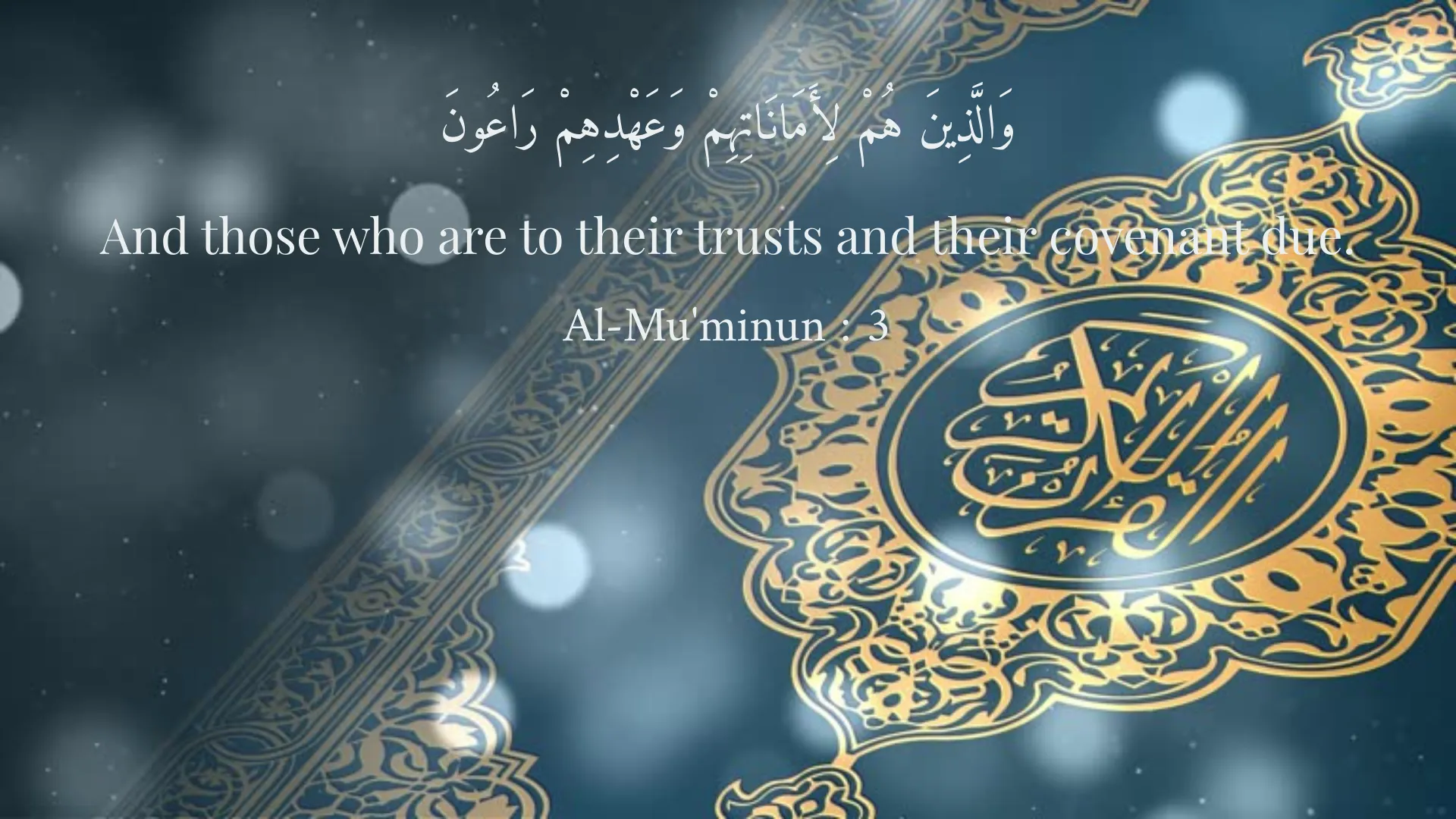
وَالَّذِينَ هُمْ لِأَمَانَاتِهِمْ وَعَهْدِهِمْ رَاعُونَ
And those who are to their trusts and their covenant due.
Al-Mu'minun : 3
وَمِنَ النَّاسِ مَن يَقُولُ آمَنَّا بِاللَّهِ وَبِالْيَوْمِ الْآخِرِ وَمَا هُمْ بِمُؤْمِنِينَ
And among the people are some who say, 'We believe in Allah and the Last Day,' but they are not believers.
Al-Baqarah : 8
وَإِذَا جَاءَ الْمُؤْمِنُونَ إِلَى الشُّورَى فِي أَمْرٍ فَذُوْلَكَ تَسَامَحٌ غَيْرُ مُتَقَارِرٍ
And when the believers come to consult on a matter, that is not a sign of suffering or hardship.
At-Tawbah : 67
Short Story
One day, in a beautiful garden, two friends named Hasan and Amir were sitting and talking about life. Hasan complained about his dissatisfaction with his situation, and Amir told him, "You must pay attention to your intentions and evaluate yourself daily against the Quran." Hasan asked, "How should I do that?" Amir replied, "Recite a few verses of the Quran every day and try to align yourself with them. Remember that a good intention is the key to righteous actions." Hasan replied with encouragement, "Thank you, I will try to do this every day!"