Quranic Answer
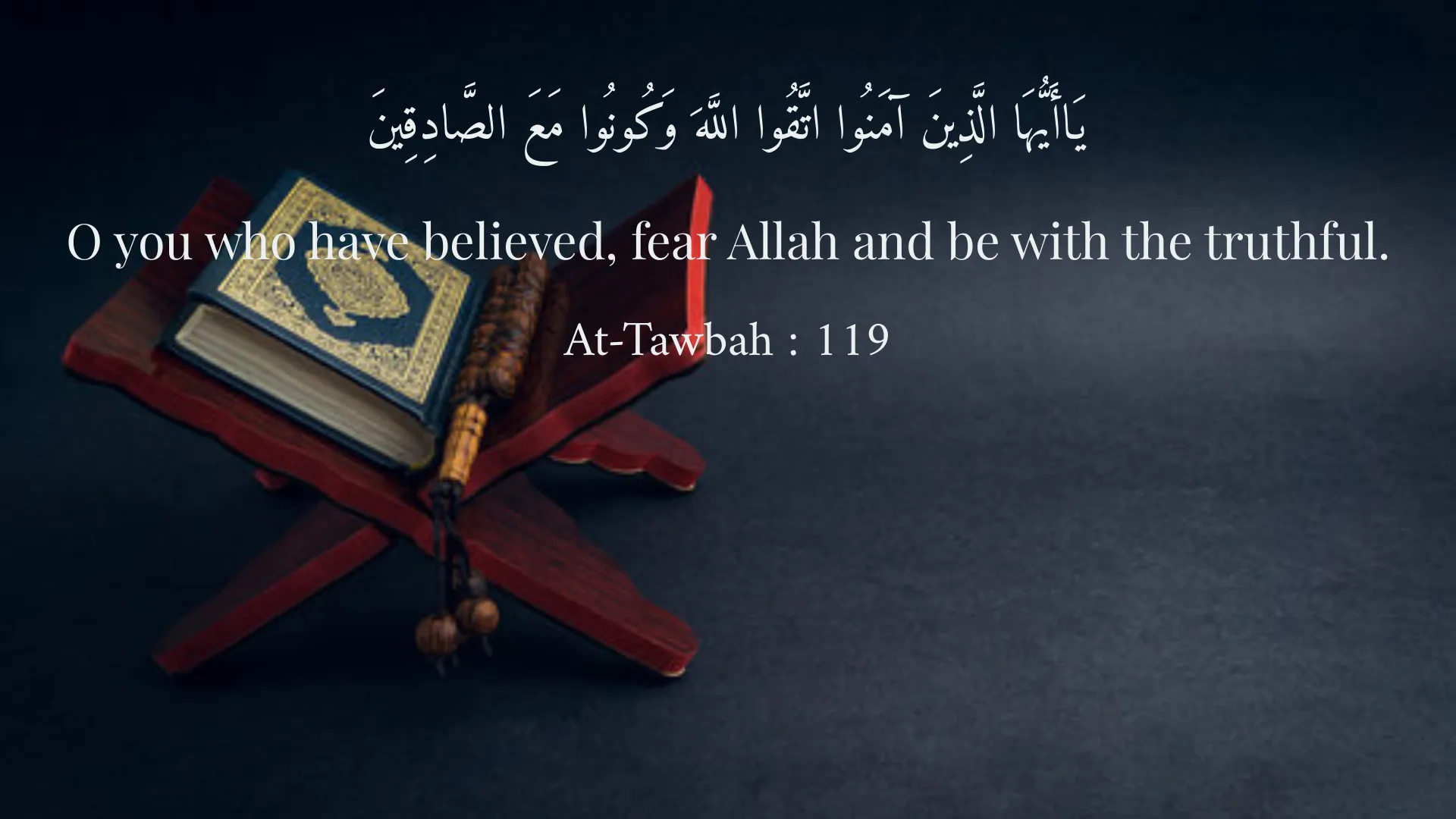
In the Holy Quran, honesty is illuminated as one of the major traits of the believers, serving as a fundamental pillar that underpins the fabric of a righteous society. Honesty, an attribute that transcends cultures and civilizations, is profoundly valued in Islamic teachings and is repeatedly emphasized in the Quran. Specifically, in Surah At-Tawbah, verse 119, Allah invites the believers to adhere to honesty with a divine call: 'O you who have believed, fear Allah and be with the truthful.' This command is not merely a suggestion but a directive that illustrates the sacred connection between faith and truthfulness. It suggests that a sincere relationship with Allah encourages and strengthens a person's commitment to integrity and truthfulness. The essence of honesty goes beyond mere words; it shapes a person’s character and influences their actions. By recognizing truth as a fundamental tenet of faith, believers are encouraged to cultivate honesty in their lives. One of the most effective ways to maintain honesty is by reflecting on the consequences of lying. Lies can often spiral out of control, leading to a series of unpleasant outcomes that can adversely affect our lives and the lives of those around us. Dishonesty can erode trust, which is the cornerstone of all meaningful relationships, be they personal or professional. Therefore, it becomes imperative for individuals to adhere to essential human values and ethics that promote honesty and integrity. Furthermore, the Quran provides further clarity on the importance of truthfulness in Surah Al-Baqarah, verse 42, where Allah warns believers against the grave sin of mixing truth with falsehood and concealing the truth while being fully aware of it. This verse underscores that upholding honesty is not merely about refraining from lies; it also involves a duty to convey the truthful realities of various situations in life, even when the truth may be uncomfortable or challenging to present. This adherence to honesty fosters a culture of transparency and accountability within communities, leading to stronger relationships built on trust and respect. Honesty not only benefits the individual but also manifests in the wider community. When we make a conscious effort to remain honest, we contribute to the establishment of an ethical framework that encourages others to follow suit. To instill honesty in our daily lives, we can begin with ourselves, as self-accountability is crucial in nurturing an environment that values transparency. Each day, we should consciously pledge to be truthful with others, ensuring that we embrace honesty even in difficult situations. This commitment to truthfulness can serve as a powerful example to others, creating a ripple effect that encourages honesty and integrity amongst those around us. Moreover, embracing honesty strengthens our relationships, enhancing their quality and depth. When we communicate truthfully, our connections with others evolve from superficial interactions into profound relationships based on mutual respect and understanding. Honesty breeds confidence, enabling us to communicate effectively and assert our thoughts, feelings, and beliefs without the fear of judgment or fallout. This sense of authenticity gives rise to a profound sense of peace and self-assurance, helping to reduce anxiety and uncertainty associated with dishonesty. Furthermore, honesty fosters a greater sense of accountability, both personally and socially. As honest individuals, we hold ourselves accountable for our actions and decisions, leading to a heightened sense of responsibility towards ourselves and the broader community. This accountability does not only reinforce our image as trustworthy individuals but also builds a community where individuals feel empowered to share their thoughts and beliefs openly. In nurturing an honest environment, we foster a culture where individuals are encouraged to be forthright, enhancing collective decision-making processes and promoting social harmony. Additionally, incorporating honesty into our daily lives aligns us with moral and ethical principles, reinforcing the significance of maintaining one’s integrity under any circumstances. It enables individuals to navigate their daily challenges with clarity and confidence, aware that their path is illuminated by the light of truth. This moral framework not only guides our personal lives but also defines our interactions at every level, ensuring that we become capable leaders in our communities. Yet, challenges in adhering to honesty are inevitable. Various societal pressures often encourage dishonesty as a means of achieving certain ends. The allure of quick benefits derived from deceit can create a slippery slope, leading individuals into the murky waters of dishonesty. Therefore, it is crucial for believers to remain vigilant and steadfast in adhering to their commitment to honesty, actively resisting temptations that lead to falsehood. Achieving a life grounded in honesty requires perpetual dedication, introspection, and mindfulness. It necessitates an unwavering commitment to reflect on one’s actions, considering their alignment with personal and spiritual values. Practicing honesty is not simply about refraining from lying; it extends to honest communication, transparent actions, and a willingness to confront uncomfortable truths. In conclusion, honesty is an esteemed quality that comprises an essential element of a believer’s character and identity, as emphasized through the verses of the Holy Quran. It validates the spiritual connection between individuals and Allah, urging believers towards integrity in all aspects of life. The commitment to honesty not only shapes our character but also extends its influence beyond individual lives, nurturing a healthy and trustworthy community. By exemplifying honesty, we contribute to a society built on mutual trust, respect, and accountability, ultimately leading to stronger relationships and personal peace. Therefore, let us commit ourselves not just to the words of the Quran but also to embodying the truths it embodies daily. In doing so, we pave the way towards a more profound understanding of ourselves, others, and our relationship with Allah.
Related Verses
يَاأَيُّهَا الَّذِينَ آمَنُوا اتَّقُوا اللَّهَ وَكُونُوا مَعَ الصَّادِقِينَ
O you who have believed, fear Allah and be with the truthful.
At-Tawbah : 119
وَلَا تَلْبِسُوا الْحَقَّ بِالْبَاطِلِ وَلَا تَكْتُمُوا الْحَقَّ وَأَنتُمْ تَعْلَمُونَ
And do not mix the truth with falsehood or conceal the truth while you know.
Al-Baqarah : 42
Short Story
One day, a young man named Ali decided to embrace honesty. He believed that being truthful would bring him peace and happiness in life. One day, in a difficult situation, he shared with his friends what he had been through and talked about his troubles. His friends were amazed by his honesty and trusted him more. From that day on, Ali lived with integrity, and his friends joined him in this journey.