Quranic Answer
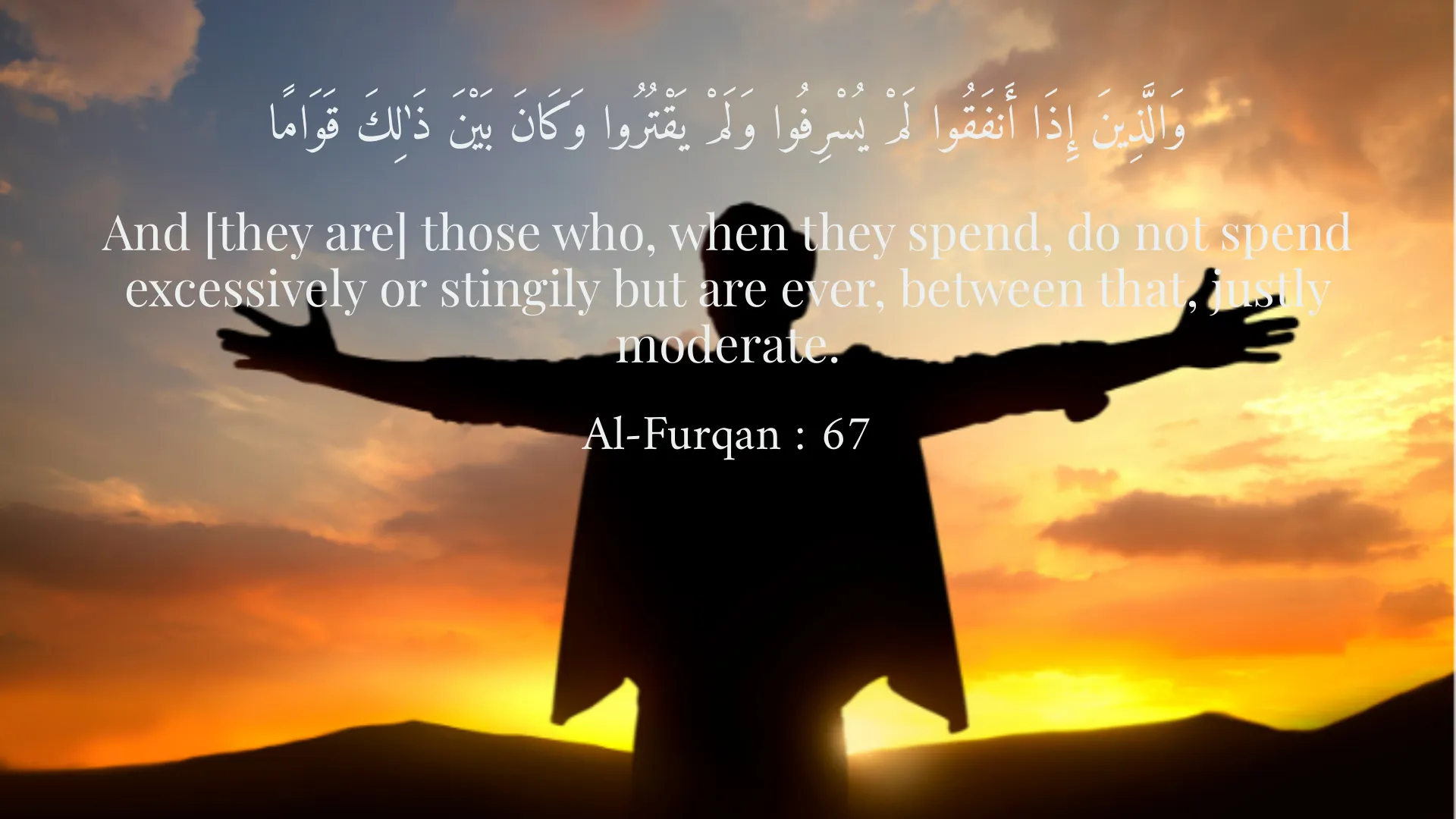
The culture of consumerism is a global phenomenon that pushes individuals towards acquiring more and more goods and services, often beyond actual needs and driven by fleeting desires and social competition. This culture can lead to financial debt, decreased inner satisfaction, psychological stress, and even environmental damage. Against this materialistic onslaught, the Holy Quran, with its rich and profound teachings, offers a comprehensive and sustainable strategy for resistance and for achieving a balanced and meaningful life. Quranic teachings are not merely guidelines for individual lifestyles; they also orient social and economic structures in a way that can resist the tide of consumerism and lead humanity towards liberation from materialistic bondage. One of the most central Quranic principles for countering consumerism is the principle of 'moderation' or 'wasatiyyah'. The Quran invites believers to live a balanced life, neither extravagant nor miserly. This principle is emphasized in several verses, including Surah Al-Furqan, verse 67, which states: "And [they are] those who, when they spend, do not spend excessively or stingily but are ever, between that, justly moderate." This verse clearly condemns extravagance (israf) and stinginess (bukhl), advocating the middle path as the best approach to managing financial resources and consumption. Understanding this principle means avoiding unnecessary purchases, excessive luxury, and chasing fleeting trends. Instead, it encourages focusing on optimal utilization of what one possesses and valuing quality and durability over quantity and undue variety. Moderation teaches individuals to be grateful for what they have and not to fall into the trap of competition and show-off to satisfy false desires. This approach signifies moving away from the 'more is better' mindset that forms the foundation of consumerism. Another principle strongly emphasized in the Quran is 'gratitude' (shukr). The Quran repeatedly asks humans to be grateful for Allah's blessings. Gratitude shifts a person's perspective from 'lack' and 'need for more' to 'abundance' and 'appreciation of what one has'. When an individual is grateful for what they possess, they feel less of a constant need to acquire new things. This change in attitude stops the endless cycle of desiring more purchases, which is the main fuel for consumerism. In Surah Ibrahim, verse 7, we read: "And [remember] when your Lord proclaimed, 'If you are grateful, I will surely increase you [in favor]; but if you deny, indeed, My punishment is severe.'" This verse indicates that gratitude not only leads to inner peace but also increases blessings in life, not necessarily through adding material possessions, but through contentment and satisfaction. Furthermore, the Quran places significant emphasis on the 'Hereafter' (Akhirah) and the 'transient' nature of worldly life. Many verses remind believers that this worldly life is temporary, and the primary goal is to prepare for the eternal life in the Hereafter. Surah Al-Hadid, verse 20, states: "Know that the life of this world is only play and amusement, pomp and mutual boasting in [worldly] possessions and children — like the example of a rain whose [resulting] plant growth pleases the cultivators; then it dries and you see it [become] yellow; then it becomes [scattered] debris. And in the Hereafter is severe punishment and forgiveness from Allah and approval. And what is the worldly life except the enjoyment of delusion." This perspective diminishes the allure of materialism in the believer's eyes. When a person understands that what they acquire in this world is not lasting and that the ultimate purpose lies beyond this life, they are less inclined to endlessly accumulate goods and services. This profound belief in the Hereafter serves as a powerful impetus for liberation from the shackles of materialism and for seeking true satisfaction in connection with God and service to humanity. Another crucial Quranic strategy is 'spending in the way of Allah' (infaq) and 'charity' (sadaqah). The Quran strongly encourages giving from what one loves and spending for the sake of Allah. This act not only helps meet the needs of society but also purifies wealth and frees the soul from the grip of material attachments. In Surah Al-Baqarah, verse 267, it is stated: "O you who have believed, spend from the good things which you have earned and from that which We have produced for you from the earth. And do not aim for what is bad [from it] to spend therefrom while you would not take it [yourself] except with closed eyes. And know that Allah is Free of need and Praiseworthy." Infaq teaches individuals that wealth is a means to achieve higher goals, not an end in itself. This act weakens greed and covetousness, which are roots of consumerism, and strengthens a sense of social responsibility. Moreover, the Quran defines 'true wealth' not in material possessions, but in 'piety' (taqwa), 'good deeds', and 'divine pleasure'. This redefinition of wealth helps individuals distance themselves from the endless race to accumulate goods. True wealth is inner peace and closeness to God. This concept stands in stark contrast to the consumerist definition of success, which is based on material possessions. In Surah Aal-e-Imran, verse 14, the Quran beautifully lists the allurements of this world but ultimately presents the best reward as being with Allah. In summary, by emphasizing moderation in consumption, gratitude for existing blessings, reminding of the transient nature of this world and the importance of the Hereafter, encouraging spending in charity, and redefining wealth from material to spiritual, the Quran provides a powerful framework to counter the culture of consumerism. These teachings help individuals break free from the grip of greed, embrace contentment, and experience a life with deeper meaning and purpose, leading to spiritual peace and social stability. This Quranic approach is not only essential for individual mental well-being but also crucial for building healthier and more sustainable societies.
Related Verses
وَالَّذِينَ إِذَا أَنفَقُوا لَمْ يُسْرِفُوا وَلَمْ يَقْتُرُوا وَكَانَ بَيْنَ ذَٰلِكَ قَوَامًا
And [they are] those who, when they spend, do not spend excessively or stingily but are ever, between that, justly moderate.
Al-Furqan : 67
أَلْهَاكُمُ التَّكَاثُرُ
Competition in [worldly] increase diverts you
At-Takathur : 1
اعْلَمُوا أَنَّمَا الْحَيَاةُ الدُّنْيَا لَعِبٌ وَلَهْوٌ وَزِينَةٌ وَتَفَاخُرٌ بَيْنَكُمْ وَتَكَاثُرٌ فِي الْأَمْوَالِ وَالْأَوْلَادِ ۖ كَمَثَلِ غَيْثٍ أَعْجَبَ الْكُفَّارَ نَبَاتُهُ ثُمَّ يَهِيجُ فَتَرَاهُ مُصْفَرًّا ثُمَّ يَكُونُ حُطَامًا ۖ وَفِي الْآخِرَةِ عَذَابٌ شَدِيدٌ وَمَغْفِرَةٌ مِّنَ اللَّهِ وَرِضْوَانٌ ۚ وَمَا الْحَيَاةُ الدُّنْيَا إِلَّا مَتَاعُ الْغُرُورِ
Know that the life of this world is only play and amusement, pomp and mutual boasting in [worldly] possessions and children — like the example of a rain whose [resulting] plant growth pleases the cultivators; then it dries and you see it [become] yellow; then it becomes [scattered] debris. And in the Hereafter is severe punishment and forgiveness from Allah and approval. And what is the worldly life except the enjoyment of delusion.
Al-Hadid : 20
Short Story
It is narrated that one day, a king and his vizier sat under a tree. The king spoke of the grandeur of his kingdom and wealth, boastfully pointing to his boundless riches. Suddenly, a dervish passed by, holding a piece of bread, which he was happily eating. The king remarked, "It is strange how this dervish, with all his poverty, is so joyful!" The vizier smiled and said, "O King! He is free from the bondage of desires, while you are enslaved by them. A king who is constantly thinking of accumulating more will never taste true peace. This dervish has found his wealth in contentment, and you seek wealth in abundance." The king fell into thought and realized that contentment is a treasure that knows no poverty, and greed is a poverty that is never satisfied. This anecdote is a reminder of the Quranic teachings that value inner peace and satisfaction, not just material possessions.