Quranic Answer
In the Holy Quran, Allah provides humanity with profound guidance on how to navigate the complexities of life while remaining steadfast in obedience to Him. Among these divine legislations, one of the preeminent principles is piety, or Taqwa, which plays a vital role in ensuring that believers honor their commitments and walk the righteous path. This article aims to delve into the concept of piety as presented in the Quran and to explore how it serves as a foundation for avoiding disobedience. We will analyze verses from the Quran and reflect on their implications in the lives of believers. First and foremost, piety is intimately connected to the acknowledgment of Allah’s might, wisdom, and authority over all of creation. As articulated in Surah Al-Imran, verse 102, Allah calls upon the believers: "O you who have believed, fear Allah as He should be feared and do not die except as Muslims." This verse emphasizes the necessity of fearing Allah—an acknowledgment of His greatness that engenders humility, reverence, and a commitment to upholding His commands. The term ‘fear’ in this context does not denote a paralyzing trepidation; rather, it represents a profound sense of awe and respect. Believers are encouraged to live their lives in a manner that honors Allah and His guidance, with the ultimate aim of protecting their faith until death. This call to action implores individuals to continuously reevaluate their spiritual state, transforming everyday choices into a series of deliberate acts of worship. It serves as a profound reminder that life is an ongoing journey, with the goal being to die in a state of full submission as Muslims. Moreover, the Quran tells us that belief in Allah is intertwined with adherence to His commandments. This relationship sets the stage for avoiding sinful behavior, as believers are prompted to align their actions with divine instruction. By internalizing the concept of piety, individuals cultivate a heightened awareness of their actions and their implications. Piety becomes a lens through which believers discern right from wrong, allowing them to navigate ethical dilemmas more effectively. As we delve deeper into the guidelines laid out by Allah, we encounter Surah Al-Ma'idah, verse 92, where He commands: "And obey Allah and His Messenger and be cautious of your trusts." This verse further reinforces the idea of obedience—not only in refraining from disobedience but also in fulfilling moral and ethical responsibilities. The phrase “cautious of your trusts” speaks to the deep-rooted faithfulness expected of believers. Trusts here encompass a broad spectrum of responsibilities, including family obligations, societal duties, and personal commitments. The emphasis on both obedience and trust establishes a holistic model of righteous living. Believers are driven to maintain an ethical lifestyle, rooted in their devotion to Allah and His Messenger. In doing so, they not only avoid actions prohibited by Allah but also actively engage in bestowing goodness and fulfilling their commitments. This approach cultivates a community grounded in shared values, where individuals inspire one another to cultivate piety and righteousness. In addition to the attitudes of piety and unwavering obedience, it is essential to recognize the significance of supplication and prayer as avenues for divine assistance. Engaging in prayer provides a direct channel for believers to communicate with Allah, seeking guidance, forgiveness, and support in overcoming the trials of life. Surah Fatir, verse 29 reaffirms this notion, stating: "Indeed, it is those who have knowledge among His servants who fear Allah." This passage underscores the correlation between knowledge and piety; those who diligently seek knowledge are often more attuned to their responsibilities and are better equipped to avoid disobedience. The pursuit of knowledge in Islam is viewed as an obligation, prompting individuals to explore and contemplate the teachings of the Quran and the Sunnah of the Prophet Muhammad (peace be upon him). By immersing themselves in the study of these texts, believers can gain insights into the divine will and the historical context in which they will find practical applications. Knowledge acts as a guiding light, illuminating the path of righteousness and encouraging individuals to make informed decisions that align with Islamic principles. Furthermore, the interplay between piety, prayer, knowledge, and ethical living forms a comprehensive approach to leading a life that minimizes disobedience. Each component reinforces the others, creating a harmonious lifestyle where believers consistently strive for growth in their spiritual journeys. For example, a person who practices piety is inclined to engage regularly in prayer. In turn, those who devote themselves to prayer often become more conscious of ethical living, integrating their learned knowledge into daily practices. As exemplary models, Prophets throughout history demonstrated how piety embodies a blend of fear, trust, and unwavering commitment to Allah. Their devotion serves as a source of guidance and serves to motivate the believers of today. By following in their footsteps, contemporary Muslims can learn how to maintain a strong relationship with Allah while navigating the complexities of modern life. In conclusion, the Holy Quran offers profound insights into various ways to avoid disobedience, with piety being at the forefront of this divine guidance. By cultivating a heart filled with Taqwa, remaining obedient to Allah and His Messenger, fulfilling responsibilities, and seeking knowledge through prayer and supplication, believers can significantly minimize the likelihood of transgressing against divine commandments. As they strive to embody the values outlined in the Quran, individuals can build a life that resonates with their spiritual aspirations, ensuring they remain steadfast on the righteous path until the final moments of their existence. Ultimately, it is through the notions of piety, ethical living, trust, and the continual pursuit of knowledge that believers can foster a meaningful connection with their Creator and lead lives devoted to His service.
Related Verses
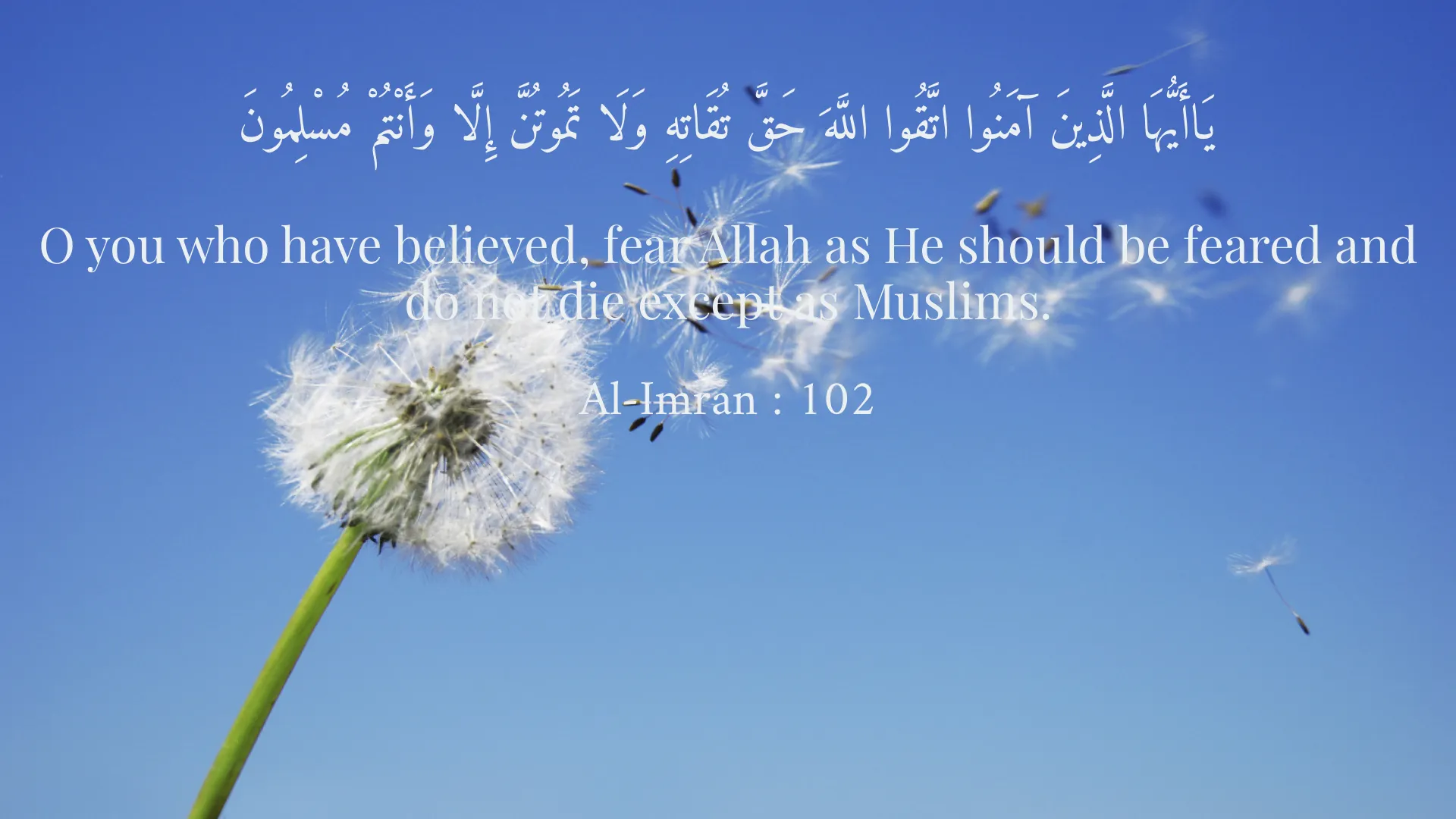
يَاأَيُّهَا الَّذِينَ آمَنُوا اتَّقُوا اللَّهَ حَقَّ تُقَاتِهِ وَلَا تَمُوتُنَّ إِلَّا وَأَنْتُمْ مُسْلِمُونَ
O you who have believed, fear Allah as He should be feared and do not die except as Muslims.
Al-Imran : 102
وَأَطِيعُوا اللَّهَ وَرَسُولَهُ وَاحْفَظُوا عَلَى أَمَانَاتِكُمْ
And obey Allah and His Messenger and be cautious of your trusts.
Al-Ma'idah : 92
إنما يخشى الله من عباده العلماء
Indeed, it is those who have knowledge among His servants who fear Allah.
Fatir : 29
Short Story
Once upon a time, there was a young man named Amin who had a concern in his heart. He wanted to change his life and seek God. Amin decided to read the verses of the Quran and study piety. With each verse he read, he felt more peace in his heart and realized he needed to adhere to the commandments of Allah and His Messenger. Through prayer and seeking God's help, he began to perform good deeds and avoid sin. A few months later, his friends noticed the positive changes in him and he shared his experience with them, saying, 'Piety has truly given meaning to my life!'