Quranic Answer
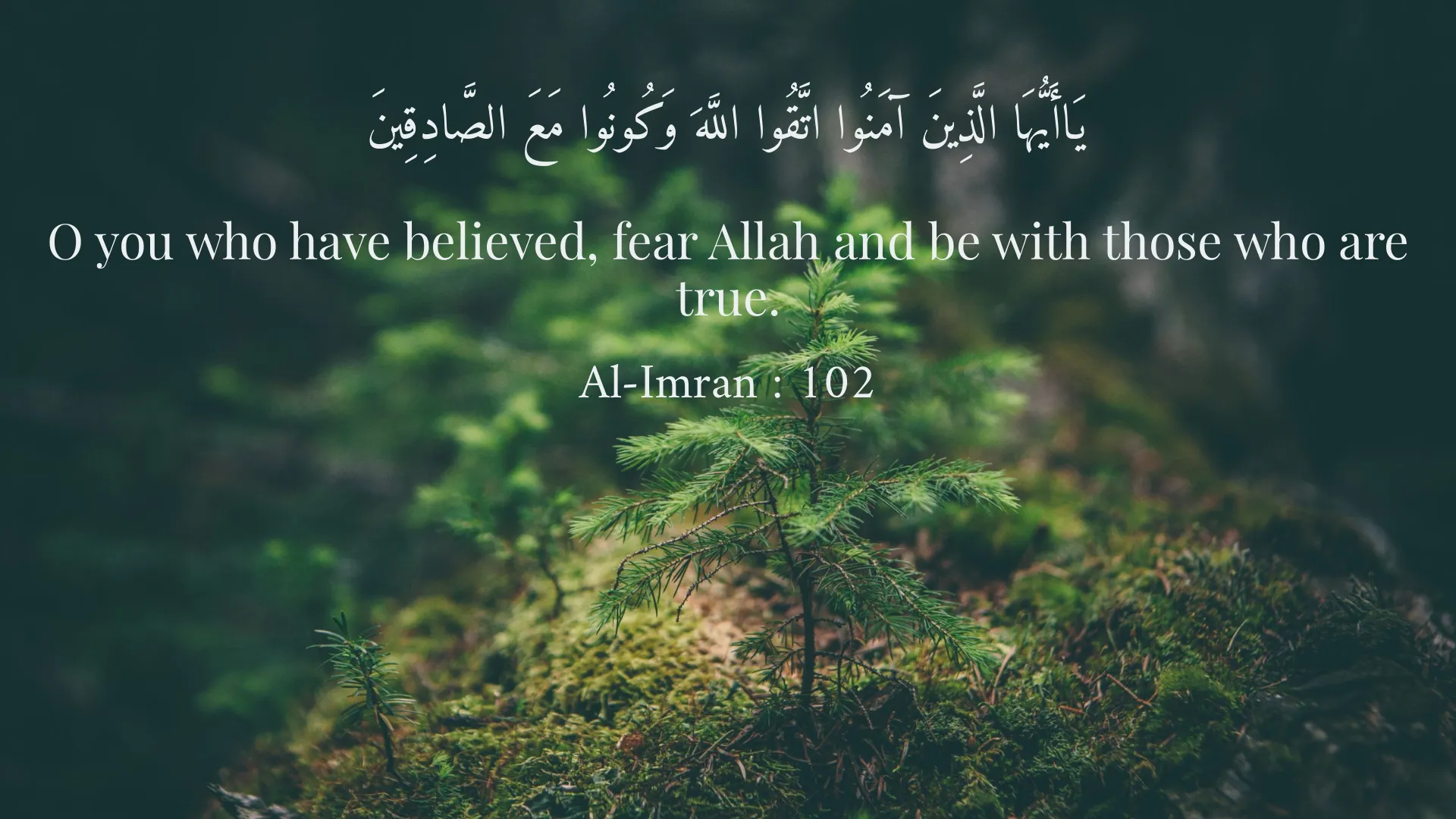
Rescuing oneself from the brink of sin requires a comprehensive understanding of the correct pathways of life and the principle of piety. In today's fast-paced world, the temptation to succumb to various forms of sin is ever-present. To safeguard ourselves from these pitfalls, we need to lean on the spiritual guideposts that have been established by divine teachings, particularly those found in the Holy Quran. The verses of the Quran are not just historical texts; they offer timeless wisdom that can guide us toward a life of righteousness and virtue. The importance of understanding the principle of piety is highlighted in Surah Al-Imran, verse 102: 'O you who have believed, fear Allah and be with those who are true.' This verse encapsulates a fundamental truth about the nature of sin and how to shield ourselves from it. Fear of Allah serves as a constant reminder of our duties and obligations, instilling within us a sense of accountability. It cultivates a consciousness that holds us back from engaging in sinful behavior, reminding us of the divine watchfulness that surrounds our actions. One of the pivotal components of piety is honesty. When we commit ourselves to a life of truthfulness, we fortify our moral character. The verse encourages us to surround ourselves with those who embody truth, as they influence our behavior and reinforce our commitment to righteousness. In many ways, our environment shapes our decisions; thus, by aligning ourselves with truthful and sincere individuals, we can create a protective barrier against the allure of sin. Moreover, the Quran emphasizes the dangers of certain practices that can lead us astray. In Surah Al-Ma'idah, verse 90, it states, 'O you who have believed, indeed, intoxicants, gambling, [sacrificing on] stone alters [to other than Allah], and divining arrows are but defilement from the work of Satan, so avoid it.' This divine command urges us to identify and distance ourselves from harmful influences. The items listed in this verse are manifestations of sinful behavior that not only lead us towards personal destruction but can also erode the fabric of society. By heeding such warnings, we can create a healthier and more positive life for ourselves and those around us. Another vital aspect of resisting sin is sincere prayer and reliance on Allah. As articulated in Surah Ghafir, verse 60: 'And your Lord says, 'Call upon Me; I will respond to you.' These words provide immense comfort and encouragement. When faced with temptation, we can call upon Allah, seeking His guidance and support. Prayer becomes a lifeline, allowing us to reconnect with our faith and seek forgiveness for our shortcomings. It is in these moments of vulnerability that turning to Allah can bring immense clarity and conviction. Sincere prayer is not merely about reciting words; it is an act of devotion that requires concentration and a pure heart. It involves pouring our hearts to Allah, confessing our weaknesses, and earnestly seeking His help to overcome the challenges that confront us. This practice is essential for maintaining our spiritual health and ensures that we remain on the straight path. Furthermore, engaging regularly in communal worship fosters a sense of belonging and shared responsibility among believers. It reminds us that we do not have to navigate the journey of faith in isolation. The companionship of fellow believers serves to uplift our spirits and fortify our determination to lead a righteous life. Together, we can hold each other accountable, encourage virtuous behavior, and maintain our focus on our ultimate goal: pleasing Allah. In addition to individual and group prayers, it is crucial to engage in discussions about faith and morality. When we talk about our struggles, doubts, and victories, we open doors to mutual support and understanding. This communal aspect of faith helps create an environment where individuals feel free to express their concerns and seek counsel. It reinforces the idea that the path of righteousness is not without its challenges but can be navigated more effectively through collective effort. In a world filled with distractions, it is essential to remind ourselves of the importance of staying grounded in our faith. The journey of self-restoration and escaping the grip of sin is an ongoing process. It requires constant vigilance and a recommitment to piety and truth. Hence, we must endeavor to regularly seek knowledge and understanding of our religion, fostering a deeper connection with the teachings of Islam. Additionally, engaging in acts of charity and kindness can shift our focus from sinful desires to fulfilling our responsibilities towards others. Helping those in need not only purifies our hearts but also brings us closer to Allah. Each act of kindness serves as a stepping stone, reinforcing our resolve to avoid sinful behavior and instead, contribute positively to society. The realities of life often pose challenges that can lead us astray. However, the key lies in embracing the principles of piety, surrounding ourselves with supportive individuals, engaging in sincere prayer, and actively pursuing knowledge. By fortifying our spiritual foundations and committing ourselves to a life of righteousness, we can successfully rescue ourselves from the brink of sin and walk the path illuminated by divine guidance. In conclusion, the struggle against sin is a universal challenge, but with the right tools and understanding, we can emerge victorious. The teachings of the Holy Quran serve as our compass, guiding us through the intricacies of life. Let us strive every day to embody the values of piety, honesty, and sincerity, building a community rooted in faith and righteousness, as we all walk towards Allah together.
Related Verses
يَاأَيُّهَا الَّذِينَ آمَنُوا اتَّقُوا اللَّهَ وَكُونُوا مَعَ الصَّادِقِينَ
O you who have believed, fear Allah and be with those who are true.
Al-Imran : 102
يَا أَيُّهَا الَّذِينَ آمَنُوا إنَّمَا الْخَمْرُ وَالْمَيْسِرُ وَالْأَصْنَامُ وَالْأَزْلَامُ رِجْسٌ مِّنْ عَمَلِ الشَّيْطَانِ فَاجْتَنِبُوهُ
O you who have believed, indeed, intoxicants, gambling, [sacrificing on] stone alters [to other than Allah], and divining arrows are but defilement from the work of Satan, so avoid it.
Al-Ma'idah : 90
وَقَالَ رَبُّكُمُ ادْعُونِي أَسْتَجِبْ لَكُمْ
And your Lord says, 'Call upon Me; I will respond to you.'
Ghafir : 60
Short Story
One day, Mehdi was sitting among his friends and heard how they stand against sins. Always feeling trapped by sin, he fell into deep thought. He recalled the Quranic verses speaking about piety and avoidance of sins. Mehdi decided to draw closer to Allah and avoid sinful situations with his good friends. Soon, he realized that his life had improved and he felt a greater sense of peace.