Quranic Answer
The concept of moral education is integral to the development of an individual's character, social interactions, and ethical conduct throughout life. In the Holy Quran, the path for moral education is clearly established, wherein Allah emphasizes the importance of piety and good ethics in various verses. Much like a roadmap that guides one toward righteousness, these divine instructions serve as valuable lessons for believers aspiring to cultivate a virtuous lifestyle. Within this framework, we can explore the significance of verses such as Surah Al-Imran, verse 102, in further detail, as well as other relevant teachings that underscore the importance of moral integrity. In Surah Al-Imran, verse 102, we encounter the words: "O you who have believed, fear Allah and be with those who are true." This profound verse encapsulates the essence of piety, which is the foundation of moral education. To fear Allah, or to be conscious of His presence in every action, encourages individuals to act ethically and responsibly. The phrase "be with those who are true" further highlights the importance of associating with individuals who reflect integrity and honesty. The Quran consistently emphasizes that one's environment plays a significant role in shaping their character and moral compass. Therefore, surrounding oneself with truthful individuals enhances a person's virtues and encourages adherence to ethical behavior. Furthermore, the guidance offered in Surah Al-Mumtahina, verse 8, reinforces these concepts: "Allah does not forbid you from being righteous and just to those who have not fought you because of religion and have not expelled you from your homes." Here, Allah calls upon believers to maintain justice and benevolence, even towards those who may not share their beliefs or have been adversaries. This keenly illustrates that moral education extends beyond the confines of one's community and faith; it is about fostering compassion and kindness to all of humanity. The call to be just and righteous applies universally and caters to the principle that ethical conduct transcends our differences. In this context, one can observe the Quran's advocacy for moral character, wherein a righteous individual is one who acknowledges and respects the rights of both God and fellow humans. In Surah Al-Baqarah, verse 177, we find an explicit assertion: "Righteousness is not that you turn your faces toward the east or the west, but [true] righteousness is in one who believes in Allah, the Last Day, the Angels, the Book, and the Prophets..." This verse emphasizes that moral education must include a comprehensive understanding of faith and the core tenets of Islam. True righteousness requires belief in Allah and His commandments, as well as fulfillment of social responsibilities to humankind. One of the significant challenges faced within the realm of moral upbringing is the negative influences present in society and the prevalence of unhealthy cultures that can cloud one's moral judgement. In a world characterized by moral ambiguity and ethical dilemmas, it becomes even more critical to cultivate a nurturing environment for children. This positive atmosphere should be rooted in love, respect, and open communication. Close and affectionate relationships between parents and children serve as powerful models for moral behavior. Parental actions and behaviors heavily influence a child's understanding of ethics, making it essential for caregivers to embody the principles they wish to instill in their offspring. Moreover, storytelling has long been recognized as an effective educational tool. The Quran is replete with narratives about the Prophets and righteous individuals. These stories serve not only as significant lessons for moral education but also resonate with the core values of compassion, patience, and perseverance. Through the compelling tales of prophetic figures who faced trials and adversities, believers can draw valuable insights and inspiration. They can understand how resilience, faith, and ethical conduct can lead to personal growth and moral excellence. The lives of these exemplary individuals serve to illuminate the virtues of integrity, honesty, and benevolence in everyday life. In addition to storytelling, engaging children in discussions regarding ethical dilemmas and providing them with practical examples can also support their moral development. Encouraging critical thinking allows children to navigate complex situations while aligning their decisions with the ethical frameworks established in the Quran. Consequently, this approach not only promotes adherence to moral values but also fosters the development of independent, reflective thinkers who can engage with ethical issues in a conscientious manner. In summary, successful moral education necessitates a multifaceted approach, which involves commitment, principled honesty in human interactions, and a steadfast adherence to ethical and religious guidelines. The teachings found within the Quran address these comprehensive factors in detail, effectively guiding believers on their journey toward moral excellence. As such, embracing these teachings sets the stage for both individual and collective development, fostering a society steeped in virtue, integrity, and respect for one another. As believers reflect upon the principles laid out in the Quran regarding moral education, they are called to take personal responsibility for their moral upbringing. Thus, it is through the consistent practice of these teachings, the cultivation of meaningful relationships, and the tireless pursuit of righteousness that we can hope to establish an ethically sound and compassionate society.
Related Verses
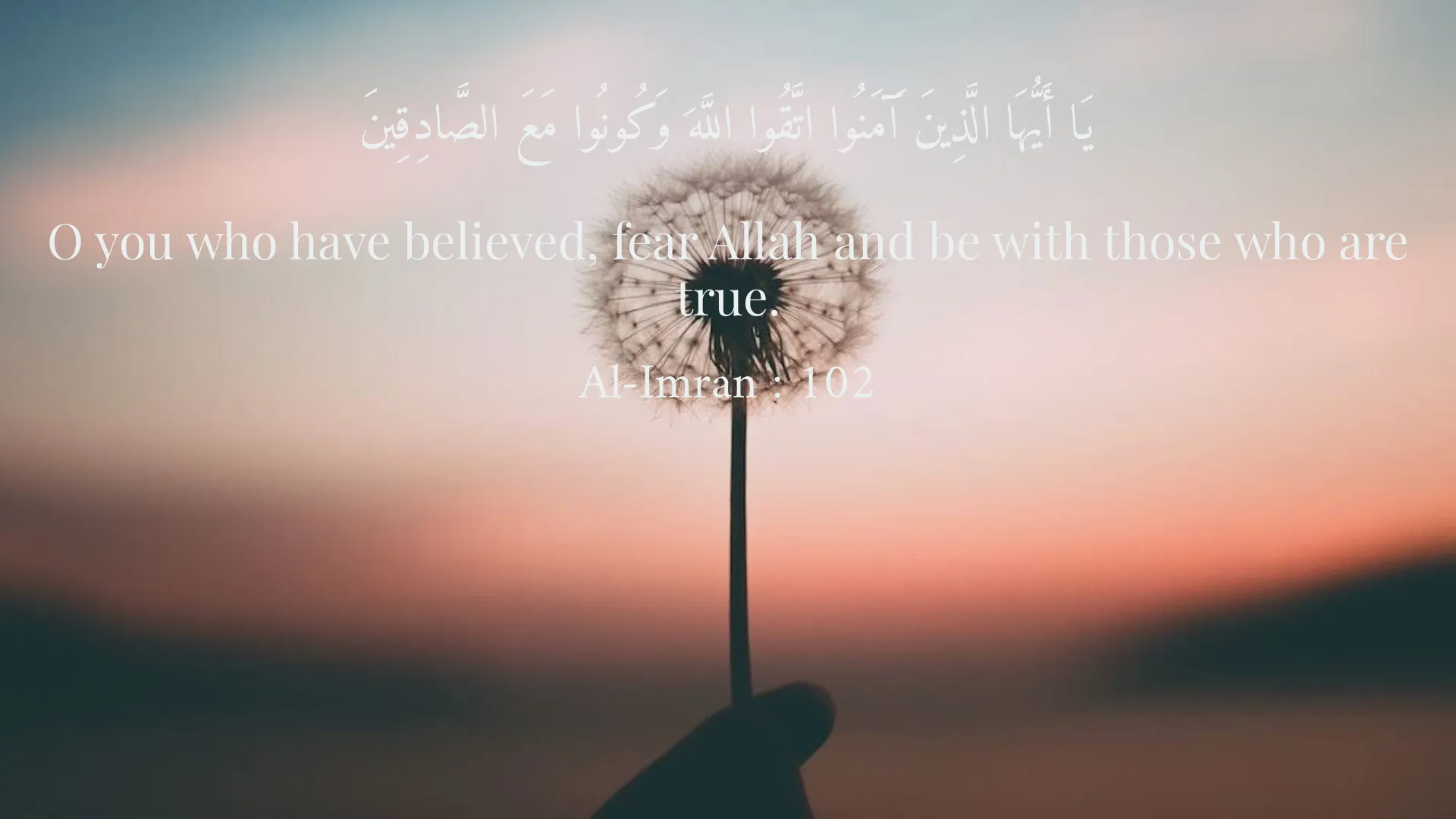
يَا أَيُّهَا الَّذِينَ آَمَنُوا اتَّقُوا اللَّهَ وَكُونُوا مَعَ الصَّادِقِينَ
O you who have believed, fear Allah and be with those who are true.
Al-Imran : 102
لَا يَنْهَاكُمُ اللَّهُ عَنِ الَّذِينَ لَمْ يُقَاتِلُوكُمْ فِي الدِّينِ وَلَمْ يُخْرِجُوكُمْ مِنْ دِيَارِكُمْ أَنْ تَبَرُّوهُمْ وَتُقْسِطُوا إِلَيْهِمْ
Allah does not forbid you from being righteous and just to those who have not fought you because of religion and have not expelled you from your homes.
Al-Mumtahina : 8
لَيْسَ الْبِرَّ أَنْ تُوَلُّوا وَجُوهَكُمْ قِبَلَ الْمَشْرِقِ وَالْمَغْرِبِ وَلَكِنَّ الْبِرَّ مَنْ آمَنَ بِاللَّهِ وَالْيَوْمِ الْآخِرِ
Righteousness is not that you turn your faces toward the east or the west, but [true] righteousness is in one who believes in Allah, the Last Day, the Angels, the Book, and the Prophets.
Al-Baqarah : 177
Short Story
One day, a young boy named Fardin asked his father, "How can I become a good and worthy person?" The father, sitting calmly before him, replied, "My son, to be good, you must surround yourself with the righteous and learn from them. Read the Quran and act upon its verses, always remember that honesty and truthfulness are among the most important ethical principles." Fardin eagerly asked his father to tell him stories of the Prophets. With a smile, the father said, "Of course! The story of Joseph and his patience in the face of hardships and divine tests is a great example that teaches us how to be steadfast and committed in difficult times."