Quranic Answer
The Holy Quran, regarded as the final revelation from Allah to humanity, serves not only as a religious text but also as a compendium of guidance, wisdom, and spirituality. Its significance as a divine miracle can be seen in its profound influence on millions of people worldwide. Those who seek to navigate the complexities of modern life often turn to the Quran as a guiding light, illuminating paths and fostering understanding. However, to truly harness the transformative power of the Quran, it is essential to concentrate on certain vital aspects that enhance our relationship with this sacred text. 1. Striving for a Deep Understanding of the Quranic Verses To appreciate the Quran fully, it is crucial to engage deeply with its verses. This involves more than mere recitation; it requires reflection and interpretation. Each verse of the Quran offers wisdom that remains relevant across time and cultures. For instance, in Surah Al-Imran, verse 103, Allah commands believers, 'And hold firmly to the rope of Allah all together and do not become divided.' This instruction emphasizes the importance of unity among followers, suggesting that strength lies in collective faith and understanding. By studying the historical context and linguistic intricacies of the verses, we can uncover layers of meaning that may otherwise go unnoticed. Understanding the Quranic message promotes empathy and connection among believers as they grasp the shared values that the divine text promotes. 2. Acting Upon the Teachings of the Quran Reading the Quran without applying its teachings can lead to a disconnect between belief and practice. The importance of implementing Quranic principles in our daily lives cannot be overstated. Surah Al-Baqarah, verse 2 declares, 'This is the Book about which there is no doubt, a guidance for those conscious of Allah.' This highlights the Quran's role as a reliable source of guidance for the conscious individual. For believers, this means turning its teachings into actionable steps that influence daily decisions—from personal character and ethics to social interactions and community involvement. Such active engagement with the Quran leads to a life that resonates with peace, righteousness, and purpose, providing a framework for moral decision-making in various circumstances. 3. Consistent Engagement with Recitation and Reflection Recitation of the Quran is an integral aspect of a Muslim's spiritual life. Setting aside time each day to read and reflect on this heavenly book not only nurtures a sense of closeness to God but also cultivates inner peace. The act of recitation, or "tilawah," is about more than just reading words; it is about embracing the rhythm and beauty of its language. It brings tranquility to the heart and clarity to the mind, serving as a daily reminder of faith. Reflection on the verses allows individuals to internalize their meanings and analyze how they can be applied in one’s life. This regular practice fosters an ongoing relationship with the text, ensuring that its guidance permeates various aspects of life. 4. Seeking God's Assistance for Comprehension and Adherence Finally, the journey to understand and adhere to the teachings of the Quran is not one undertaken alone. Seeking divine assistance is paramount. In Surah Al-Mu’minun, verse 97, we find, 'My Lord, grant me a sound heart and insight.' This verse articulates a vital acknowledgment that human beings require divine aid to navigate the complexities of existence and to grasp spiritual truths. Regular prayers for understanding not only demonstrate humility but also invite divine openness to the Quran's insights. By cultivating a profound spiritual connection with the text and committing to embodying its principles, believers transform the Quran into a radiant light that guides them in their daily lives. 5. The Quran’s Role in Fostering Community and Global Peace The implications of understanding and implementing the teachings of the Quran extend beyond the individual level; they significantly impact communities and societies at large. When individuals embody the principles of unity, compassion, and righteousness, they contribute to building a harmonious society. A community that embraces the Quran’s teachings is more likely to engage in acts of charity, social justice, and peaceful coexistence. In these times of increased discord and misunderstanding across religious and cultural lines, the Quran stands as a beacon that calls for dialogue, empathy, and cooperation. The message of the Quran invites people of varying backgrounds to come together, regardless of their differences, and work for the greater good. 6. Conclusion: The Quran as a Lifelong Companion The Holy Quran, as a divine miracle, serves as a guiding light in our lives, offering wisdom that transcends generations. By striving for a deep understanding of its verses, acting upon its teachings, engaging consistently in recitation, and seeking God's assistance, we can truly allow the Quran to illuminate our lives. As we foster a deeper connection with this holy text, we enable it to transform our hearts and minds, guiding our actions, enriching our relationships, and inspiring us to contribute positively to the world around us. Ultimately, the Quran is not just a book; it is a lifelong companion that offers unwavering guidance to those who seek the light of its teachings.
Related Verses
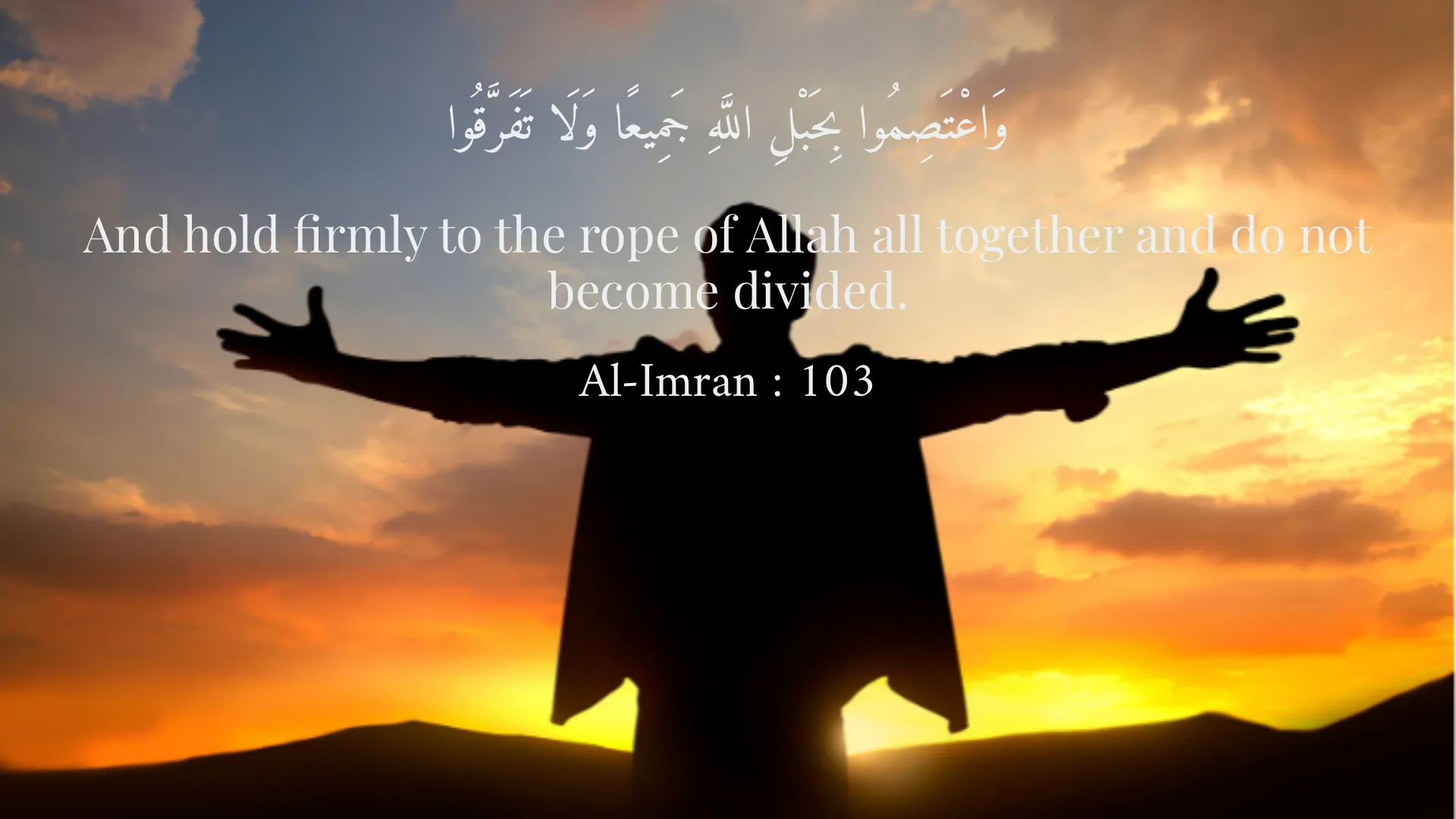
وَاعْتَصِمُوا بِحَبْلِ اللَّهِ جَمِيعًا وَلَا تَفَرَّقُوا
And hold firmly to the rope of Allah all together and do not become divided.
Al-Imran : 103
ذَلِكَ الْكِتَابُ لَا رَيْبَ فِيهِ ۛ هُدًى لِلْمُتَّقِينَ
This is the Book about which there is no doubt, a guidance for those conscious of Allah.
Al-Baqarah : 2
رَبِّ هَبْ لِي قَلْبًا سَلِيمًا وَفَهْمًا جَيِّدًا
My Lord, grant me a sound heart and insight.
Al-Mu'minun : 97
Short Story
One day, Mohsen decides to focus more on understanding the Quran. By reading and reflecting on its verses, he realizes that life should be in line with divine guidance. He starts to implement these teachings in his daily life and gradually notices positive changes in his behavior and inner peace. He feels that the Quran has truly helped him find the light of hope and guidance in his life.