Quranic Answer
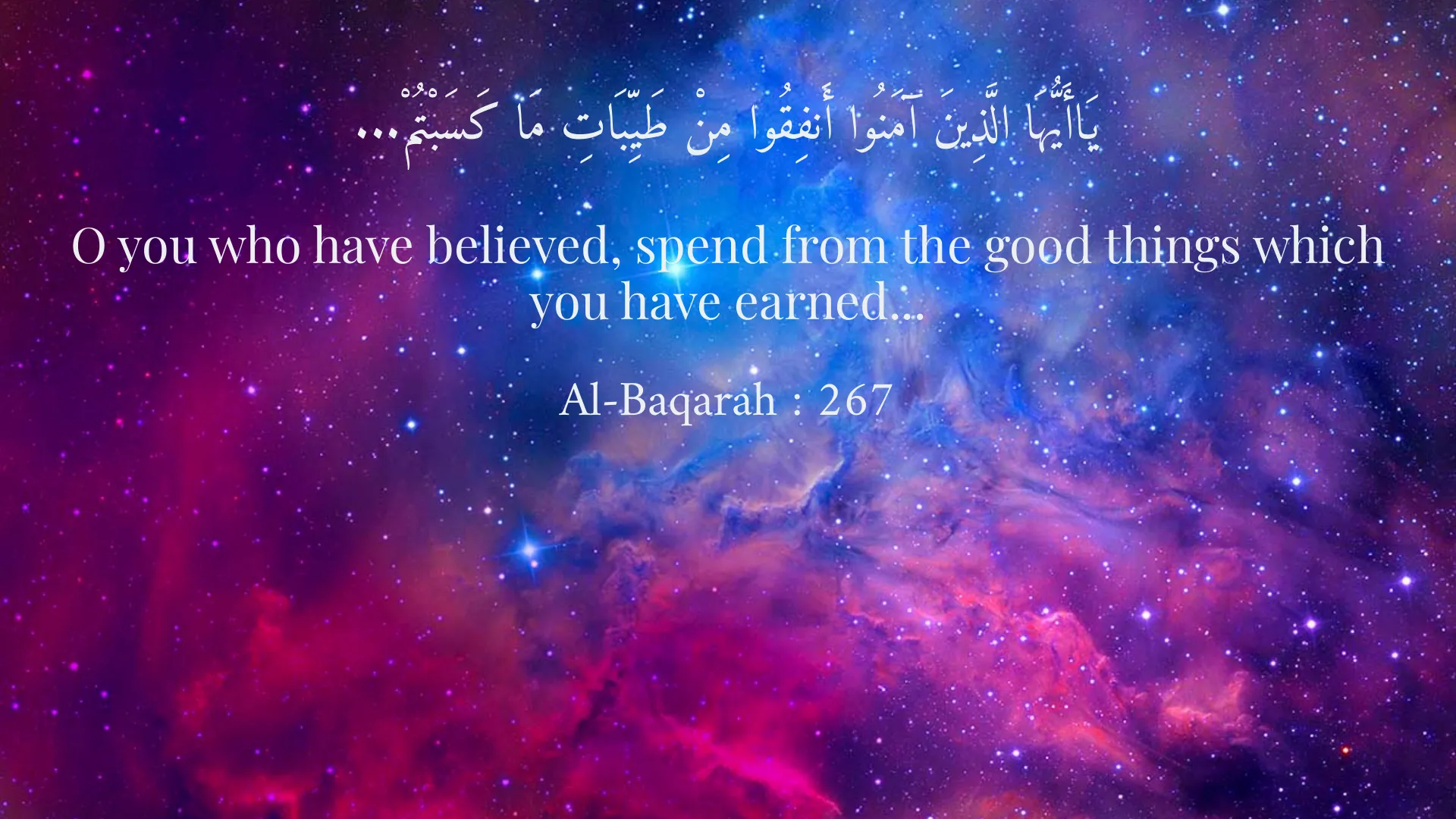
In the Holy Quran, the importance of helping others and taking the initiative in charitable deeds is a core theme that resonates throughout its verses. The message of compassion, generosity, and selflessness is not just a recommendation; it is a divine commandment that shapes the life of Muslims and reinforces the ethical framework within which they operate. In Surah Al-Baqarah, verse 267, Allah states: 'O you who have believed, spend from the good things which you have earned...' This verse illustrates that God expects believers to use their wealth and possessions for good, thereby urging them to assist those who are less fortunate. This call to action is more than a mere suggestion; it serves as a foundational principle of Islamic culture and morality. It encapsulates the Islamic view that wealth is not merely for personal gain but should be shared with those in need. Furthermore, Allah emphasizes the importance of charity in Surah Al-Mu’minun, verse 60, where He commands believers to give in charity, stating: 'And those who spend their wealth by night and by day, secretly and publicly...' This verse emphasizes that believers are not limited to a specific time or manner of giving; rather, they are encouraged to contribute both secretly and openly, regardless of the hour. This guidance affectionately nudges believers towards creating a balance between their public and private acts of charity, underlining the significance of sincerity in their intentions. In Islam, the act of helping others, particularly those in need, is not merely a duty or obligation. It is also regarded as an opportunity to cultivate a deeper relationship with Allah. By extending assistance to others, believers reflect the mercy and care that Allah shows towards humanity, which in turn nurtures their own spiritual growth. The teachings of Prophet Muhammad (peace be upon him) further emphasize this noble duty. He stated that 'being good to others is part of faith', and this fundamental belief in being compassionate is an integral aspect of a believer's character. The Prophet's life serves as a practical example of how to embody these teachings as he constantly sought to help those in need, including the poor, the orphans, and anyone who faced hardships. His actions reflect the essence of altruism, where the welfare of others takes precedence over one's own needs and desires. This notion reinforces the Islamic community's emphasis on collective responsibility and mutual support. When Muslims help each other, it fosters an environment of trust, solidarity, and love, which is essential for a thriving community. Moreover, the impact of helping others stretches beyond individual acts; the collective efforts of believers create a ripple effect that strengthens social bonds and fosters love within the community. When members of a community come together to assist one another, it not only alleviates the struggles faced by the needy but also cultivates a sense of belonging and unity. Given the challenging times the modern world is currently facing—marked by increased socio-economic disparities, conflicts, and environmental crises—the need for charity and support has never been more pertinent. By contributing their time, resources, and skills, Muslims can actively participate in the development of their community and work towards building a more equitable and compassionate society. Moreover, the spiritual rewards associated with helping others are profound. Charity, or Sadaqah, is viewed in Islam not only as a means of providing assistance but also as a source of blessings for the giver. The Holy Quran mentions that those who give in charity will be rewarded manifold, often in ways that transcend the material returns. This principle encourages believers to view charitable acts not as financial losses but as investments in their spiritual and eternal well-being. In conclusion, the Quran emphatically underscores the duty of helping others as both a moral obligation and an opportunity for spiritual growth. By encouraging believers to spend from their possessions for the benefit of others, it engrains a culture of compassion in the hearts and minds of Muslims. The injunction of giving charity, both secretly and publicly, serves as a guiding principle that fosters sincerity and humility in one’s acts of kindness. The teachings of Prophet Muhammad (peace be upon him) reinforce these values, reminding us that caring for others is an essential part of faith. As Muslims, we must embrace the responsibility of helping others with pure intentions, driven by love and empathy. Essential for individual and community well-being, leading in charitable endeavors provides not only worldly and spiritual rewards but also strengthens the fabric of society, fostering a culture of love, care, and mutual support. By upholding these values, we pave the way for a more just, compassionate, and unified world.
Related Verses
يَاأَيُّهَا الَّذِينَ آمَنُوا أَنفِقُوا مِنْ طَيِّبَاتِ مَا كَسَبْتُمْ...
O you who have believed, spend from the good things which you have earned...
Al-Baqarah : 267
وَ الَّذِينَ يُنفِقُونَ أَمْوَالَهُمْ بِاللَّيْلِ وَ النَّهَارِ سِرًّا وَ عَلَانِيَةً...
And those who spend their wealth by night and by day, secretly and publicly...
Al-Mu’minun : 60
Short Story
One day, a man named Ahmad noticed that his neighbor was struggling financially. Remembering the verses of the Quran, he decided to help him. When Ahmad visited his neighbor and handed him some money, a smile lit up the man's face as he said, 'Your help has changed my life.' Ahmad felt that Allah had guided him well, and through this act of kindness, he found greater peace in his heart.