Quranic Answer
The Holy Quran is not only a religious text, but also a profound guide that intricately explores the spectrum of human emotions and the techniques by which individuals can manage these emotions effectively. One of the pivotal concepts presented in the Quran is the idea of self-control, particularly the transformation of negative feelings into positive and constructive behaviors. This approach is vital in fostering a harmonious society and enhancing personal well-being. Understanding and mastering emotions such as anger, frustration, and disappointment are essential components of emotional intelligence, and the Quran provides timeless wisdom in this regard. In Surah Al-Imran, verse 134, Allah presents a clear invitation to believers for patience and forgiveness: "And those who subdue their rage and who pardon the people - and Allah loves the doers of good.” This verse encapsulates a fundamental truth about human life; anger is an innate emotion. Everyone experiences anger at some point, yet the true virtue lies in the ability to convert that anger into kindness and forgiveness. This transformative process not only benefits the individual manifesting such emotions but also fosters a peaceful environment for those around them. To effectively convert anger into kindness, the initial step involves developing self-awareness. This self-awareness is crucial as it allows individuals to pay attention to their feelings and thoughtfully identify the source of their anger. Is the anger arising from a misunderstanding, a personal grievance, or perhaps an external trigger that is beyond one's control? Once one identifies the root cause of their anger, it becomes significantly easier to explore alternative methods for addressing the emotion in a constructive manner. Discussions surrounding the issue at hand can serve as a vital outlet. By calmly addressing concerns and grievances with the involved parties, individuals not only alleviate their own feelings of anger but also provide an opportunity for resolution. Additionally, calming the mind is essential during times of heightened emotions. Practices such as deep breathing, mindfulness, or even prayer can aid in centering oneself, allowing for a more rational approach to any emotional turmoil. The ability to step back and calmly reflect on the situation often leads to clearer insights and better responses. Continuing this theme of managing emotions, in Surah Fussilat, verse 34, Allah articulates further guidance for believers: "And not equal are the good deed and the bad. Repel [evil] by that [deed] which is better.” This vital teaching emphasizes the significance of responding to negativity with positivity. It establishes a powerful principle for interpersonal relations; when faced with hostility or aggression, the Quran urges believers to counteract that negativity with kindness. Responding with goodness can not only diffuse one’s own anger but also create a ripple effect that positively influences the behavior of others as well. This approach ensures that interactions do not escalate into cycles of anger and retaliation, but rather contribute to a more serene and supportive social fabric. The Holy Quran, through its myriad stories and illustrations, provides numerous examples of how to convert anger into compassion. For instance, the life of the Holy Prophet Muhammad (peace be upon him) serves as an archetype of patience and resilience. His legendary forgiveness towards those who wronged him highlights the power and effectiveness of kindness. One notable example occurred during the conquest of Mecca when he forgave the very people who had driven him out of the city. Instead of succumbing to anger and seeking retribution, he chose forgiveness, thereby exemplifying the virtues of patience and compassion. Moreover, Quranic narratives often embody the struggle of individuals with their emotions, demonstrating that emotional challenges are a universal aspect of the human experience. These stories serve to inspire readers by showing that managing emotions, particularly negative ones, is not only possible but also commendable in the eyes of Allah. The concept of emotional management extends beyond individual experiences; it has significant implications for communities and society as a whole. Societies that cultivate emotional intelligence through teachings such as those found in the Quran empower their members to engage in positive dialogue, handle conflicts peaceably, and work collaboratively towards common goals. This emotional maturity fosters a spirit of cooperation and understanding, essential for social cohesion and progress. Furthermore, in modern psychological discourse, the principles of emotional regulation discussed in the Quran align closely with contemporary understandings of mental well-being. Developing skills in patience, forgiveness, and positive response mechanisms can profoundly impact an individual’s mental health. Embracing these Quranic teachings can lead to a reduction in stress levels, anxiety, and interpersonal conflicts, thereby enhancing one’s overall quality of life. Ultimately, the teachings of the Holy Quran act as timeless reminders of the importance of managing emotions effectively. By encouraging individuals to practice self-control and to transform anger into positive actions, Allah provides a pathway towards personal growth, harmonious relationships, and a just society. As believers strive to embody these ideals, they not only enrich their own lives but also contribute significantly to the well-being of their communities. In conclusion, mastering our emotions, particularly anger, through the guidance of the Holy Quran is a journey worth embarking upon. It leads to ultimate peace, a profound sense of purpose, and a connection with the divine that transcends our earthly challenges.
Related Verses
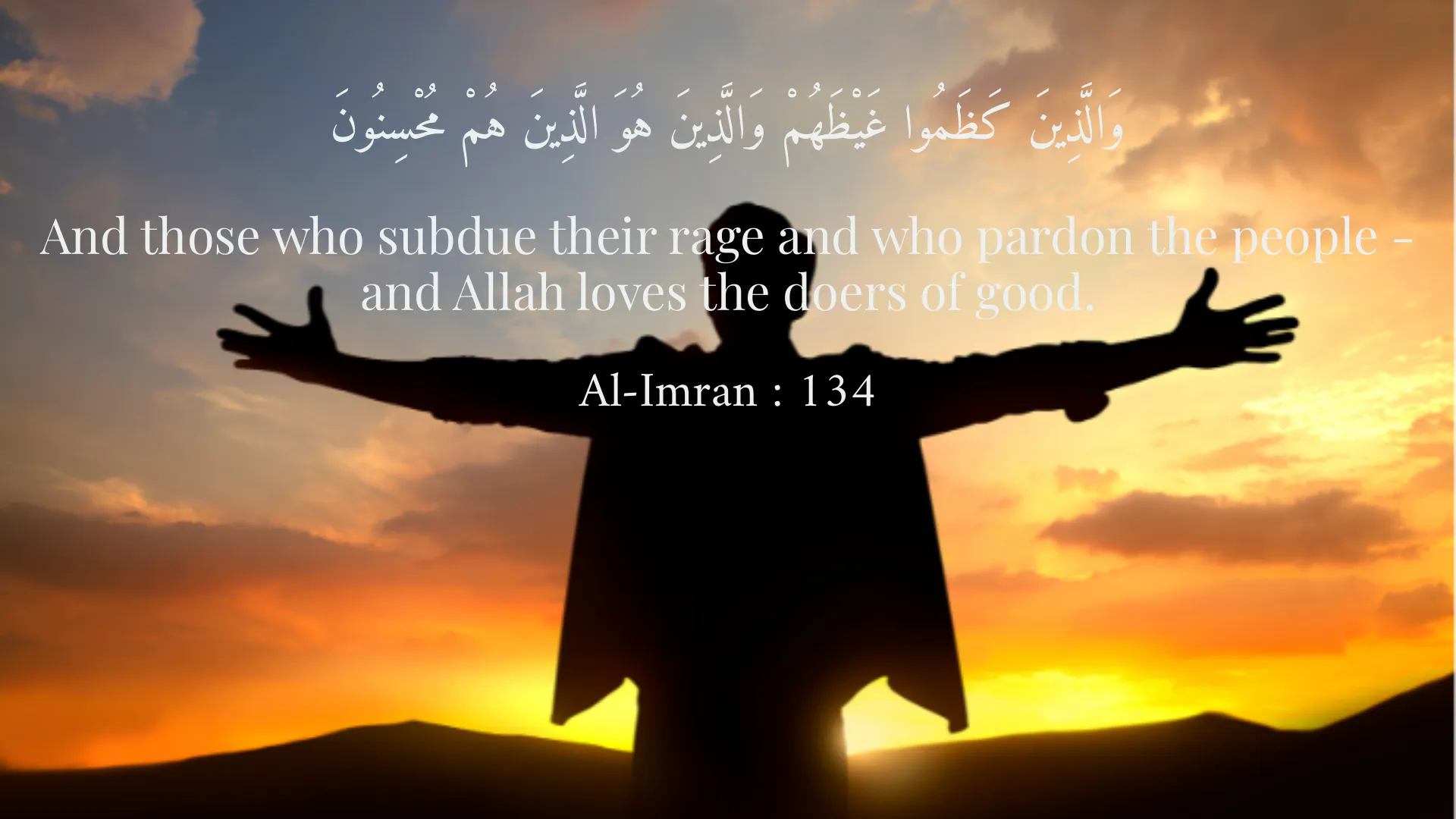
وَالَّذِينَ كَظَمُوا غَيْظَهُمْ وَالَّذِينَ هُوَ الَّذِينَ هُمْ مُحْسِنُونَ
And those who subdue their rage and who pardon the people - and Allah loves the doers of good.
Al-Imran : 134
وَلَا تَسْتَوِي الْحَسَنَةُ وَالْسَّيِّئَةُ ۚ ادْفَعْ بِالَّتِي هِيَ أَحْسَنُ
And not equal are the good deed and the bad. Repel [evil] by that [deed] which is better.
Fussilat : 34
Short Story
Once upon a time, there was a man named Ali who was always getting angry with others. One day he approached a wise scholar and asked for guidance. The scholar told him, "If you want to control your anger, first look into your heart. Whenever you feel anger, remember God and pray for others." From that day forward, Ali made an effort to listen to the scholar's advice and tried to transform his anger into kindness through prayers for others. Gradually, he found more peace and everyone around him was amazed by his positive behavior.