Quranic Answer
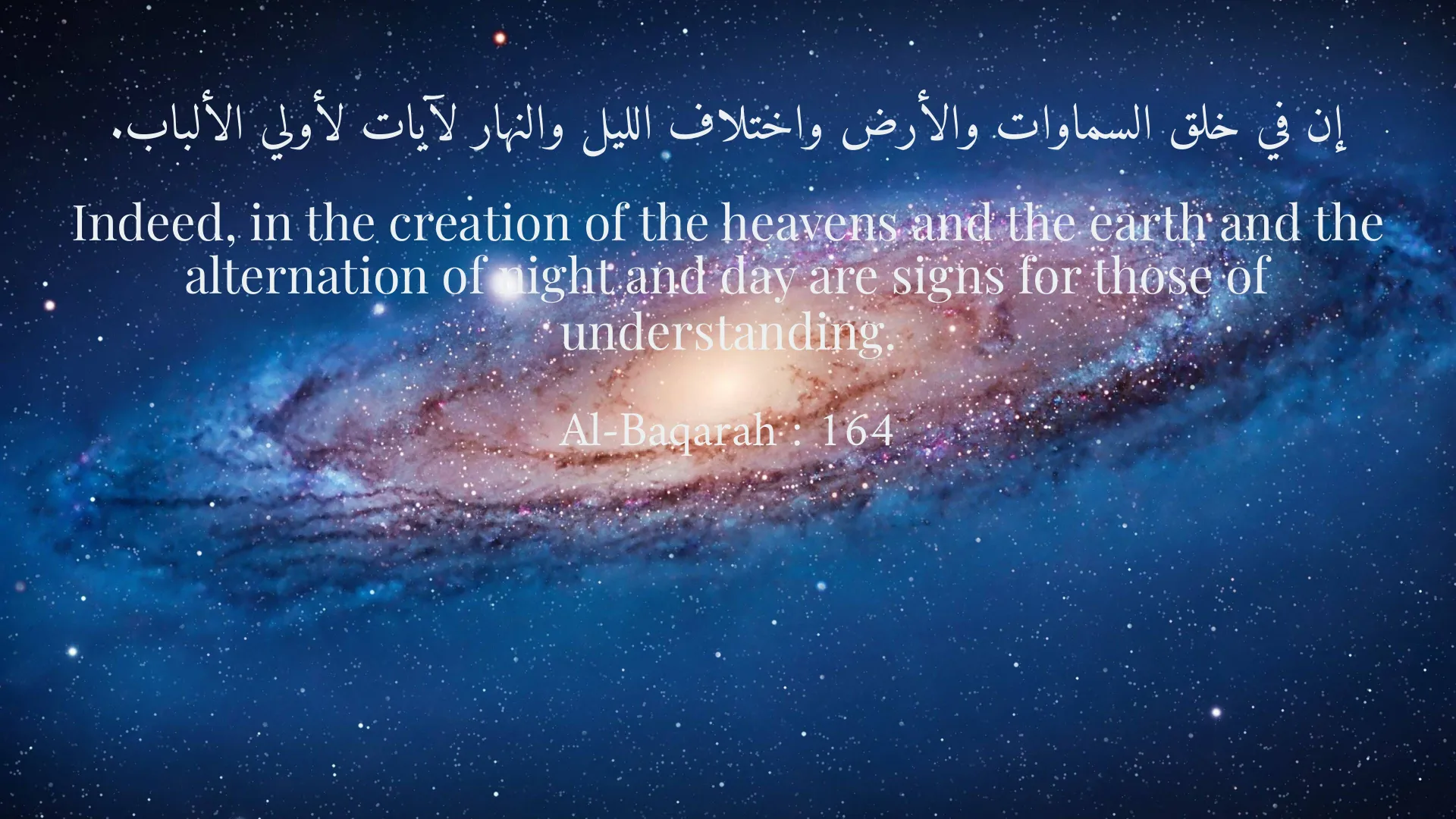
The Holy Quran, the central religious text of Islam, serves not only as a guide for spiritual and moral conduct but also presents profound insights into the relationship between humans and the natural world. This relationship is emphasized in a multitude of verses, highlighting the inherent connection between creation and the Creator. As the Quran professes, nature is a manifestation of divine power and wisdom, a perspective that fosters respect, reverence, and responsibility towards the environment. One of the pivotal verses that lay the groundwork for understanding this connection is found in Surah Al-Baqarah (Chapter 2), verse 164. It states: "Indeed, in the creation of the heavens and the earth and the alternation of night and day are signs for those of understanding." This verse encourages believers to observe and reflect on the natural world around them. It reminds us that the complex systems of the universe—the vastness of space, the intricate design of ecosystems, and the rhythm of day and night—are not random occurrences, but rather signs of God's greatness. Therefore, one of the essential responsibilities for individuals is to cultivate an appreciation for these divine signs by acknowledging their beauty and complexity, which is a source of divine mercy and blessings. The Quran presents nature as a sacred creation that requires our gratitude and care. The essence of this responsibility is further elucidated in Surah Al-An'am (Chapter 6), verse 38, where Allah mentions, "And there is no creature in the earth, nor a bird which flies on its two wings, but they are communities like you." This striking declaration underscores the interconnectedness of all living beings. It highlights that every creature, from the smallest insect to the largest mammal, plays a role in the web of life that sustains the planet. By referring to animals and birds as communities, the Quran emphasizes the need for humans to foster a sense of solidarity and harmony with all forms of life. This communal aspect encourages an ethical and moral obligation to respect all creatures, thus promoting compassion and empathy towards them. Furthermore, this respect for nature is fortified by the Quran’s conception of stewardship. Humans are not merely recipients of natural gifts but are portrayed as custodians of the earth. This notion of stewardship is highlighted throughout various passages that call for the protection and sustainable use of the environment. One particularly illuminating verse is from Surah Saba (Chapter 34), verse 15, which proclaims, "And the trees are created for you to benefit from them." Here, the Quran teaches that human interaction with nature should be approached with care and foresight. Trees and other natural resources are not just mere commodities to exploit; they are part of a divine creation intended for the benefit of all living beings. This perspective calls for a balanced approach to using natural resources. The Quran advocates for sustainability, urging humans to utilize what is necessary but also to maintain the integrity of the environment. In doing so, it prompts believers to ponder the impacts of their actions on the planet, fostering a sense of accountability that resonates through their everyday lives. This holistic relationship with nature echoes in the values of environmental conservation, sustainability, and ecological awareness, which are profoundly relevant in today’s context of climate change and ecological degradation. Moreover, the Quran invites us to engage with nature as a living entity, not merely as a backdrop for human activity. By viewing nature through this lens, individuals begin to perceive their connection to the environment as a reciprocal relationship, wherein each party contributes to the well-being of the other. Nature, as described in the Quran, possesses its own intrinsic value, deserving of respect and admiration. This approach fosters a sense of reverence that can lead to more conscientious living and stability within ecosystems. In conclusion, the Quran provides a comprehensive framework for understanding the relationship between humans and nature. It emphasizes respect, responsibility, and stewardship, urging believers to recognize the divine signs embedded in the natural world. Through verses that address the interconnectedness of all living beings, the importance of sustainability, and the call to engage with nature respectfully, the Quran advocates for a holistic relationship with the environment. This relationship serves as a guide for how individuals should interact with the world around them, reminding them of their role as caretakers of the earth. Thus, in our pursuit of spiritual fulfillment and moral conduct, one must remember that respect for nature is also a profound act of worship.
Related Verses
إن في خلق السماوات والأرض واختلاف الليل والنهار لآيات لأولي الألباب.
Indeed, in the creation of the heavens and the earth and the alternation of night and day are signs for those of understanding.
Al-Baqarah : 164
وما من دابة في الأرض ولا طائر يطير بجناحيه إلا أمم أمثالكم.
And there is no creature in the earth, nor a bird which flies on its two wings, but they are communities like you.
Al-An'am : 38
وأنشأنا لكم فيها من أشجار.
And the trees are created for you to benefit from them.
Saba : 15
Short Story
One day, a man named Sajjad was walking through a beautiful forest and carefully admiring the beauty of nature. He recalled the verses of the Quran and thought about how he must be protective of these blessings. Sajjad decided that he would never leave trash in nature and would support the trees around him. Days passed and he became the greatest nature lover. He not only planted trees for himself but also for future generations, and his story became an inspiration to others to care for the environment.