Quranic Answer
In today's fast-paced, highly competitive world, where success is often measured by material gain and dominance, it can be incredibly challenging to maintain our core human values, empathy, and spiritual well-being. The Quran, as a divine guide, offers profound wisdom and practical principles that serve as an anchor, helping us navigate this turbulent environment without losing our essence. It provides a moral compass that directs us away from destructive competition and towards a more balanced, ethical, and purposeful existence. Firstly, the Quran constantly reminds us of our ultimate purpose: to worship Allah and live a life of righteousness. This fundamental understanding shifts our perspective from merely striving for worldly achievements to seeking Allah's pleasure. When we realize that all worldly possessions and positions are temporary, and true success lies in our conduct and our standing with God, the intense pressure of competition diminishes. It encourages us to engage in "good competition" (fastabiqu al-khayrat – compete in good deeds), rather than destructive rivalry driven by envy and greed. This means striving for excellence in our work, studies, and relationships, but always within the bounds of justice, fairness, and ethical conduct. We are encouraged to be productive and contribute positively to society, but not at the expense of our values or the well-being of others. The Quran beautifully teaches the balance between worldly endeavor and the afterlife, reminding us that this world is the planting ground for the Hereafter, and we will harvest what we sow. Moreover, the Quran emphasizes the importance of taqwa (God-consciousness), which serves as an inner safeguard. A person with taqwa is constantly aware of Allah's presence and His commands, leading them to act with integrity, honesty, and justice, even when others might resort to unethical means to get ahead. This consciousness prevents us from engaging in deceit, exploitation, or oppression, which are common pitfalls in fierce competition. It teaches us that true strength lies not in overpowering others, but in controlling our lower desires and upholding divine principles. This inner discipline is far more valuable than any fleeting worldly victory and allows us to step into the competitive arena with dignity and honor. Furthermore, the Quran instills a deep sense of social responsibility and brotherhood. It reminds us that we are all part of a larger community and that our success should not come at the cost of others' suffering. Verses promoting justice, charity, and kindness towards the poor, needy, and vulnerable are abundant. In a competitive environment, this translates into not exploiting others, being fair in dealings, and even extending help to competitors if they are in genuine need. It encourages empathy and compassion, ensuring that our pursuit of goals does not harden our hearts or make us indifferent to the struggles of those around us. The Quran warns against takathur (accumulation of wealth and worldly possessions) as an end in itself, highlighting its potential to distract us from our spiritual journey and moral obligations. This perspective helps individuals avoid the greed and avarice that fuel unhealthy competition. Patience (Sabr) and perseverance are recurring themes in the Quran, offering immense resilience in the face of setbacks and challenges inherent in competitive arenas. It teaches us to endure difficulties with fortitude, trust in Allah's plan, and continue striving ethically. This spiritual resilience prevents despair and burnout, which are common in high-pressure environments. Coupled with shukr (gratitude), it helps us appreciate what we have, rather than constantly yearning for more, fostering contentment and inner peace. Finally, the Quran provides a profound sense of inner peace and emotional stability. By anchoring our hearts to Allah, we find solace and strength that no worldly success or failure can truly shake. It teaches us to seek help through prayer and remembrance of Allah (dhikr), which calms the soul and provides clarity amidst chaos. In a world that constantly pushes us to achieve more, consume more, and be more, the Quran invites us to reflect on our true priorities, to find satisfaction in righteous living, and to remember that the ultimate reward awaits us in the Hereafter. This perspective allows us to engage in the world's challenges with a healthy detachment, performing our best while safeguarding our spiritual and moral integrity, ensuring we remain truly "human" amidst the relentless race. This approach helps us view competition as an opportunity for growth and constructive effort, not a battleground for eliminating others.
Related Verses
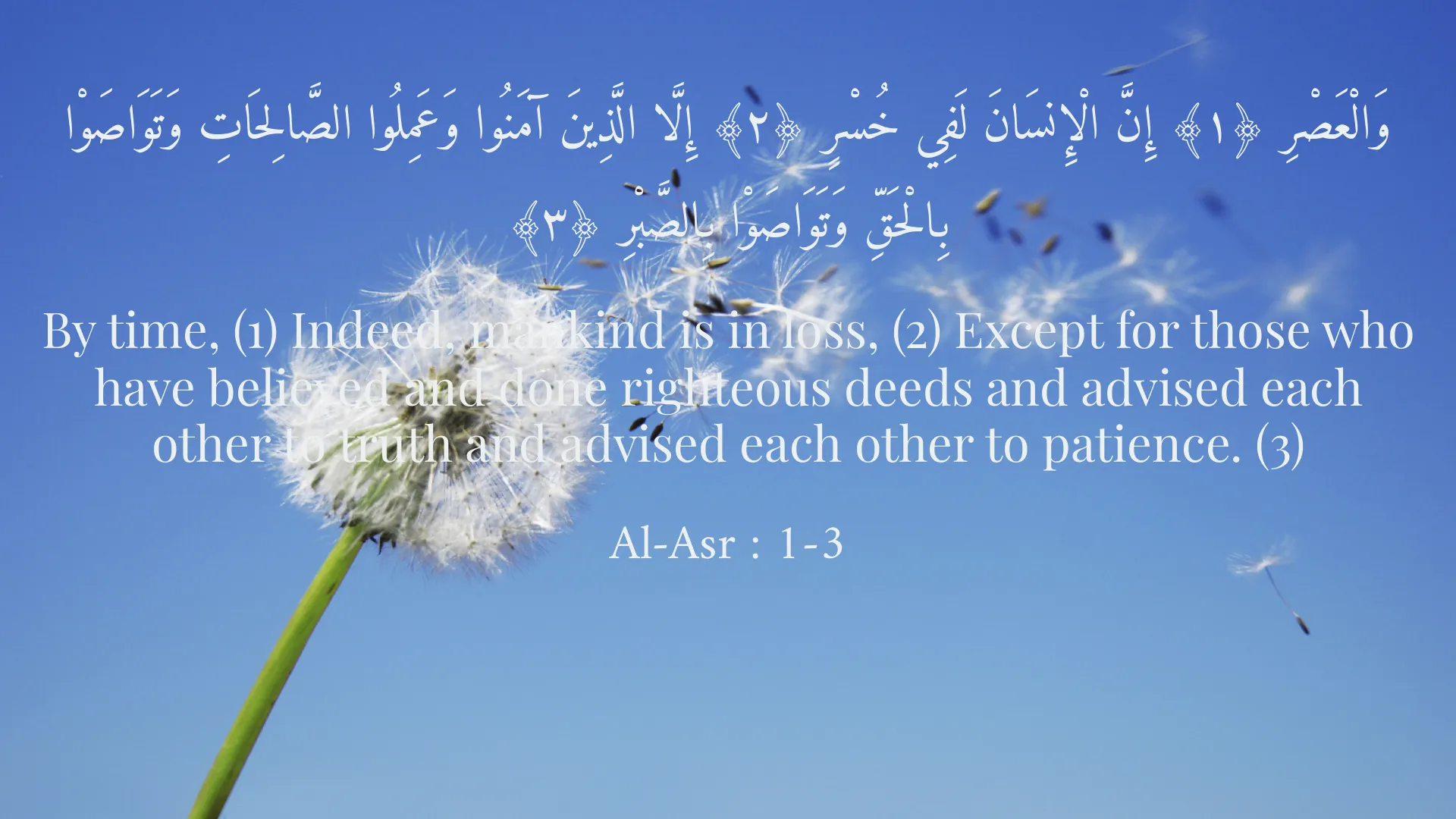
وَالْعَصْرِ ﴿١﴾ إِنَّ الْإِنسَانَ لَفِي خُسْرٍ ﴿٢﴾ إِلَّا الَّذِينَ آمَنُوا وَعَمِلُوا الصَّالِحَاتِ وَتَوَاصَوْا بِالْحَقِّ وَتَوَاصَوْا بِالصَّبْرِ ﴿٣﴾
By time, (1) Indeed, mankind is in loss, (2) Except for those who have believed and done righteous deeds and advised each other to truth and advised each other to patience. (3)
Al-Asr : 1-3
إِنَّمَا الْمُؤْمِنُونَ إِخْوَةٌ فَأَصْلِحُوا بَيْنَ أَخَوَيْكُمْ ۚ وَاتَّقُوا اللَّهَ لَعَلَّكُمْ تُرْحَمُونَ
The believers are nothing else than brothers (in Islamic religion). So make reconciliation between your brothers, and fear Allah, that you may receive mercy.
Al-Hujurat : 10
اعْلَمُوا أَنَّمَا الْحَيَاةُ الدُّنْيَا لَعِبٌ وَلَهْوٌ وَزِينَةٌ وَتَفَاخُرٌ بَيْنَكُمْ وَتَكَاثُرٌ فِي الْأَمْوَالِ وَالْأَوْلَادِ ۖ كَمَثَلِ غَيْثٍ أَعْجَبَ الْكُفَّارَ نَبَاتُهُ ثُمَّ يَهِيجُ فَتَرَاهُ مُصْفَرًّا ثُمَّ يَكُونُ حُطَامًا ۚ وَفِي الْآخِرَةِ عَذَابٌ شَدِيدٌ وَمَغْفِرَةٌ مِّنَ اللَّهِ وَرِضْوَانٌ ۚ وَمَا الْحَيَاةُ الدُّنْيَا إِلَّا مَتَاعُ الْغُرُورِ
Know that the life of this world is only play and amusement, pomp and mutual boasting among you, and rivalry in respect of wealth and children. (It is) like a rain whose vegetation delights the tillers; then it withers, and you see it turning yellow; then it becomes dry and crumbles away. And in the Hereafter there is a severe punishment, and (also) forgiveness from Allah and (His) good pleasure. And the life of this world is nothing but a deceiving enjoyment.
Al-Hadid : 20
Short Story
They say that one day, a wealthy man, who had amassed great riches and was insatiably driven by the pursuit of more, encountered a dervish who sat peacefully in a corner, living without a care. The wealthy man, astonished, asked, "O Dervish, how can you be so carefree and at ease? Do you not fear for tomorrow's needs?" The dervish, with a calm smile, replied, "My fear for tomorrow is no less than your fear for all the wealth and possessions you have accumulated, which you constantly worry about losing. You are a slave to what you possess, while nothing binds me. My ease lies in having little, and my independence comes from being free from worldly attachments. You are constantly striving to acquire more and compete with others, and thus you lack peace; but I, through contentment, have liberated myself." The wealthy man was deeply affected by the dervish's wise words and began to ponder that perhaps the true path to tranquility lay elsewhere, not in seeking superiority and accumulation.