Quranic Answer
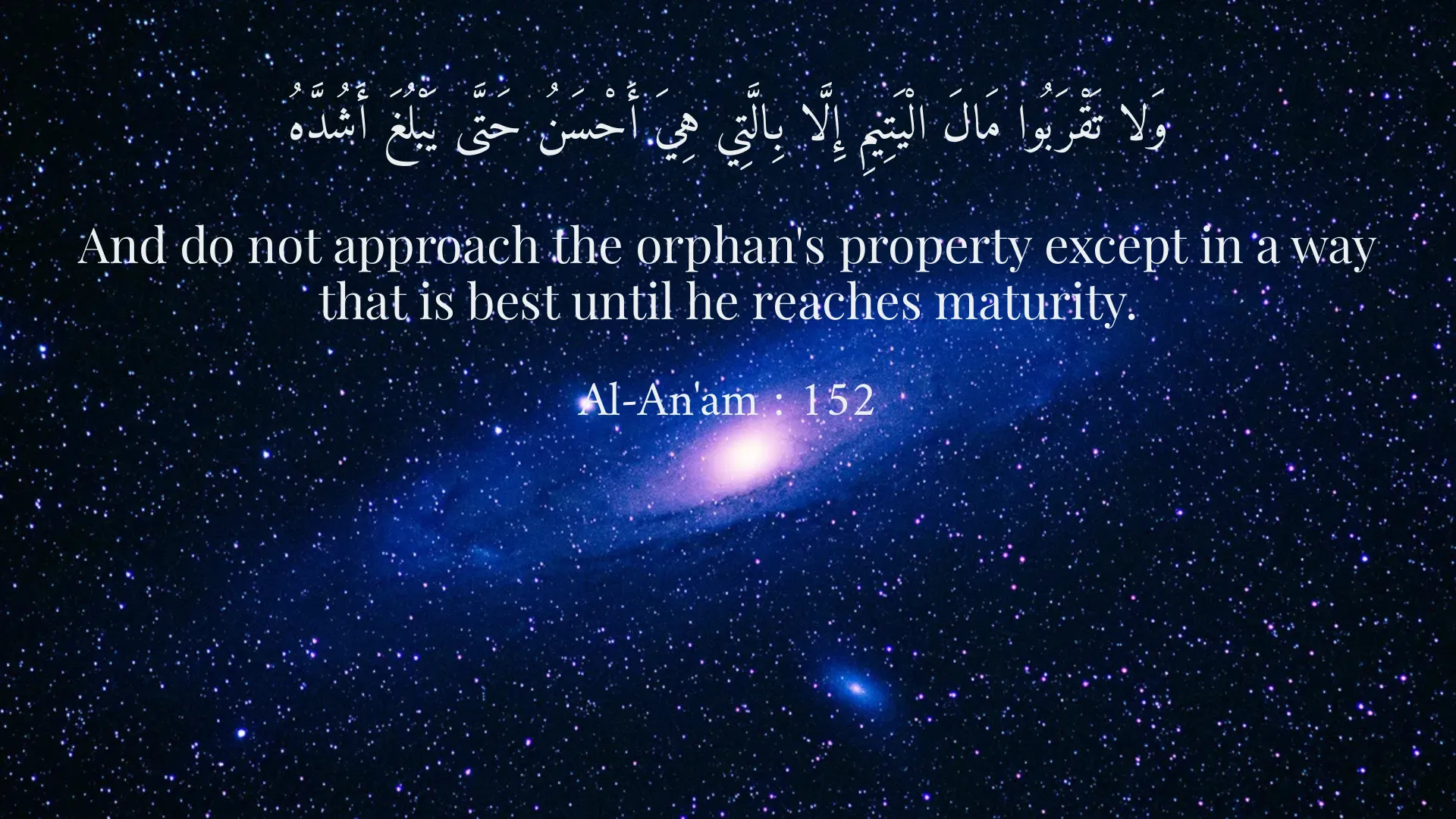
The Holy Quran is a foundational text for millions of individuals worldwide, offering guidance not only in spiritual and religious matters but also in the moral and ethical dimensions of life. One of the primary themes found throughout the Quran is the emphasis on good morals and commendable behaviors. Such teachings are vital as they outline a framework for ethical conduct that can lead to a more harmonious society. In this article, we delve into various verses from the Quran that highlight the significance of good morals, specifically focusing on justice, fairness, respect, love, and kindness as cornerstones of ethical behavior. A cornerstone of Islamic ethics, as articulated in the Quran, is the principle of justice and fairness. This is vividly illustrated in Surah Al-An’am, verse 152, where it states: "And do not approach the orphan's property except in a way that is best until he reaches maturity." This verse teaches us a profound lesson in equity, urging us to handle the rights and possessions of the less fortunate with utmost care and prudence. The underlying value here is not only about safeguarding the material possessions of an orphan but also about respecting their dignity and rights. By treating orphans with fairness and mindfulness, individuals embody the ethical principles the Quran encourages, leading to a society where everyone's rights are protected. Thus, justice is not merely a legalistic term within the Quran but a moral imperative that strengthens community bonds and ensures the welfare of all. Moreover, the Quran continuously emphasizes the power of words and the significance of treating others with respect. In Surah Al-Hujurat, verse 11, Allah commands: "O you who have believed, let not a people ridicule another people; perhaps they may be better than them." This verse functions as a reminder to believers about the importance of respecting one another and refraining from disdainful judgments. It emphasizes humility by highlighting that one does not know the true worth of others. This call for respect among people suggests that it is essential to honor others and refrain from intrusive behavior, fostering an environment of acceptance and understanding. This notion of humility is crucial, as it not only protects interpersonal relationships but also contributes to the psychological and emotional well-being of individuals within a community. The opportunity for growth in relationships is further examined in Surah An-Naml, verse 55, which discusses the importance of love and companionship. The verse states: "And you do not love those who love Allah and His Messenger." This invites believers to establish bonds with those who share a commitment to divine love and ethics. The encouragement to build friendships with those who strive towards righteousness provides a fertile ground for individual growth and moral development. By surrounding oneself with individuals who uphold high ethical standards, the moral fiber of the community becomes strengthened. The Quran’s direction to foster companionship with Allah and His Messenger emphasizes that the foundation of any successful relationship lies in shared values and virtues, contributing to a robust moral society. Another aspect of good morals that the Quran stresses is respect, particularly towards parents. In Surah Luqman, verse 17, Allah mentions: "And We have enjoined upon man [care] for his parents." This verse not only speaks to the duties children owe to their parents but also extends to the broader message of being respectful and kind to all family members. The implications of such teachings resonate deeply, as the respect shown towards parents sets the standard for future generations on how to treat others. Moreover, honoring parents enriches familial bonds and instills values of kindness, care, and compassion. The enjoinder to care for parents is not only a religious duty but serves as a guiding principle that reinforces family structures, ultimately leading to stronger communities. These Quranic verses encapsulate a broader theme related to the impact of good ethics on societal harmony and individual fulfillment. The emphasis on good morals is not merely about personal piety; it extends to social responsibility. The teachings aim to cultivate individuals who prioritize justice, respect, and love, ensuring that these values are integral to societal interactions. When individuals integrate these principles into their daily lives, the outcome is a community where peace, justice, and affection prevail. The Quran offers a timeless framework for ethical living that remains relevant to current societal challenges. In an era characterized by individualism and often moral ambiguity, the call for good morals serves as a guiding star. The emphasis on fairness ensures that the rights of the vulnerable are protected, discouraging exploitation and injustice. The commitment to treat others with respect fosters an atmosphere of trust and collaboration, essential ingredients for social cohesion. Love and kindness towards others, especially within familial relations, create a nurturing environment that fuels personal and social growth. Overall, the Quran teaches that good morals should be woven into the fabric of our lives. By understanding and embodying the ethical teachings inherent in these divine revelations, individuals can discover the peace and love that arises from good behavior. This framework encourages not only personal development but also a shared responsibility towards others, laying the foundation for a society built on mutual respect, understanding, and compassion. In conclusion, the importance of good morals in the Quran extends beyond religious obligations; it serves as a profound guide for ethical living. The principles of justice, respect, love, and kindness outlined in various verses shape the character of individuals and, by extension, the communities in which they live. The Quran’s timeless wisdom calls upon believers to pursue these commendable behaviors, navigating their lives with a commitment to moral integrity. By doing so, individuals contribute positively to the world around them, creating a legacy of goodness for future generations.
Related Verses
وَلا تَقْرَبُوا مَالَ الْيَتِيمِ إِلَّا بِالَّتِي هِيَ أَحْسَنُ حَتَّى يَبْلُغَ أَشُدَّهُ
And do not approach the orphan's property except in a way that is best until he reaches maturity.
Al-An'am : 152
يَا أَيُّهَا الَّذِينَ آمَنُوا لَا يَسْخَرْ قَوْمٌ مِّن قَوْمٍ عَسَى أَن يَكُونُوا خَيْرًا مِّنْهُمْ
O you who have believed, let not a people ridicule another people; perhaps they may be better than them.
Al-Hujurat : 11
وَوَصَّيْنَا الْإِنْسَانَ بِوَالِدَيْهِ
And We have enjoined upon man [care] for his parents.
Luqman : 17
Short Story
One day, a man was helping a child who had fallen in the street. When the child immediately thanked him and smiled, the man remembered the verses of the Quran. He realized that every good deed not only helps others but also fills one’s soul with peace.