Quranic Answer
The Holy Quran, revered as the divine scripture of Islam, holds invaluable guidance for humanity. Among its numerous teachings, a significant aspect is the approach towards jealousy, a pervasive emotion that can adversely affect human interactions and personal well-being. Jealousy is often described as a deep-seated feeling of resentment towards someone else's advantages, successes, or possessions. This article explores how the Quran directs individuals to overcome jealousy and cultivate love and gratitude in their lives, which ultimately leads to healthier relationships and a more fulfilling life. ### Understanding Jealousy in Human Nature Jealousy is part of the human condition, and all individuals, to some extent, experience this emotion. This feeling arises from comparing oneself to others or feeling inadequate in light of someone else’s success. Unfortunately, unchecked jealousy can lead to destructive behaviors, such as hatred, division, and enmity. It not only harms relationships but also detracts from one's spiritual growth and inner peace. The Quran acknowledges these feelings and provides divine guidance on how to manage and overcome them. ### The Quranic Call Against Jealousy The Quran makes several calls to humanity to rise above jealousy and embrace a spirit of love and friendship. In Surah Al-Baqarah, verse 213, Allah commands, "Mankind was one community and Allah sent prophets as bringers of good tidings and warners, and He sent down with them the Scripture in truth to settle the disputes among the people. And none but those who were given it differed among themselves after clear proofs had come to them. So Allah guided those who believed to the truth concerning that over which they had differed. And Allah guides whom He wills to a straight path." This verse importantly highlights the need for unity and affection among people. The call to cultivate relationships grounded in love and compassion significantly reduces the chances of jealousy infiltrating one’s heart. By focusing on fostering genuine connections with others, one can mitigate the feelings of resentment that arise. The Quran encourages believers to foster mutual respect, understanding, and camaraderie rather than indulging in jealousy or enmity. ### Gratefulness Over Covetousness In Surah Al-Imran, verse 134, Allah implicitly warns against the inclination to covet others' blessings. The verse states, "And those who spend [in the cause of Allah] during ease and hardship and who restrain anger and who pardon the people - and Allah loves the doers of good." This verse instructs believers to cultivate gratitude for their own blessings instead of desiring what others possess. This teaching is crucial; it calls for self-reflection and appreciation of one’s life circumstances and achievements. Gratitude is an effective antidote to jealousy. When individuals take the time to acknowledge their own gifts and blessings, they foster a sense of contentment. They learn to appreciate their unique journeys, recognizing that each person’s path in life is different and ordained by Allah. Therefore, instead of feeling inferior or envious of others, individuals should focus on nurturing their happiness and personal growth. ### The Assurance of Divine Justice An essential teaching of the Quran is the understanding of divine justice. Each person is destined for a specific and beautiful fate crafted by Allah. As each individual receives what they deserve based on their efforts and merits, it is crucial to eliminate any negative feelings directed towards those who may seem more fortunate. The Quran teaches us that rather than resenting others, we should celebrate their achievements and happiness. This concept is powerfully reinforced in Surah Al-Hadid, where Allah states, "Whatever is in the heavens and whatever is in the earth exalts Allah, and He is the Exalted in Might, the Wise." Believers are encouraged to deepen their trust in Allah's wisdom and justice. Each person's blessings are tailored according to divine knowledge, and instead of wishing for what others have, one should strive to maximize their own potential and blessings. This perspective fosters compassion and admiration for others rather than jealousy. ### Cultivating Empathy, Forgiveness, and Love The Holy Quran’s emphasis on forgiveness, love, and empathy further strengthens its teachings against jealousy. By nurturing these values, believers can build a community resistant to jealousy and harmful emotions. Allah advises Muslims to practice forgiveness, forbearance, and compassion, as seen in Surah Al-Baqarah, where He declares, "And hold firmly to the rope of Allah all together and do not become divided." This call for unity highlights the importance of collective growth towards a positive future. Empathy allows believers to put themselves in others' shoes, realizing that everyone faces their struggles and challenges. By fostering an attitude of understanding rather than suspicion and resentment towards others’ fortunes, an individual can banish jealousy from their heart. Furthermore, love for others as an extension of love for oneself is a foundational principle in Islam. A believer should aspire to create an environment where joy is shared, fostering a culture of mutual support and encouragement. ### Conclusion In summary, the teachings of the Holy Quran provide essential guidance for combating jealousy, urging believers to cultivate love, gratitude, and understanding. By embracing Allah's commands and reflecting on their significance, individuals can transform their hearts and relationships. Jealousy can be replaced with the joy of celebrating others' successes, leading to a more harmonious and fulfilling life. The Quran calls for a life rooted in compassion, empathy, and unwavering faith in divine justice, guiding humanity toward a serene existence free from the shackles of jealousy. Fostering these values not only strengthens individual faith but builds a resilient and supportive community where love prevails above all.
Related Verses
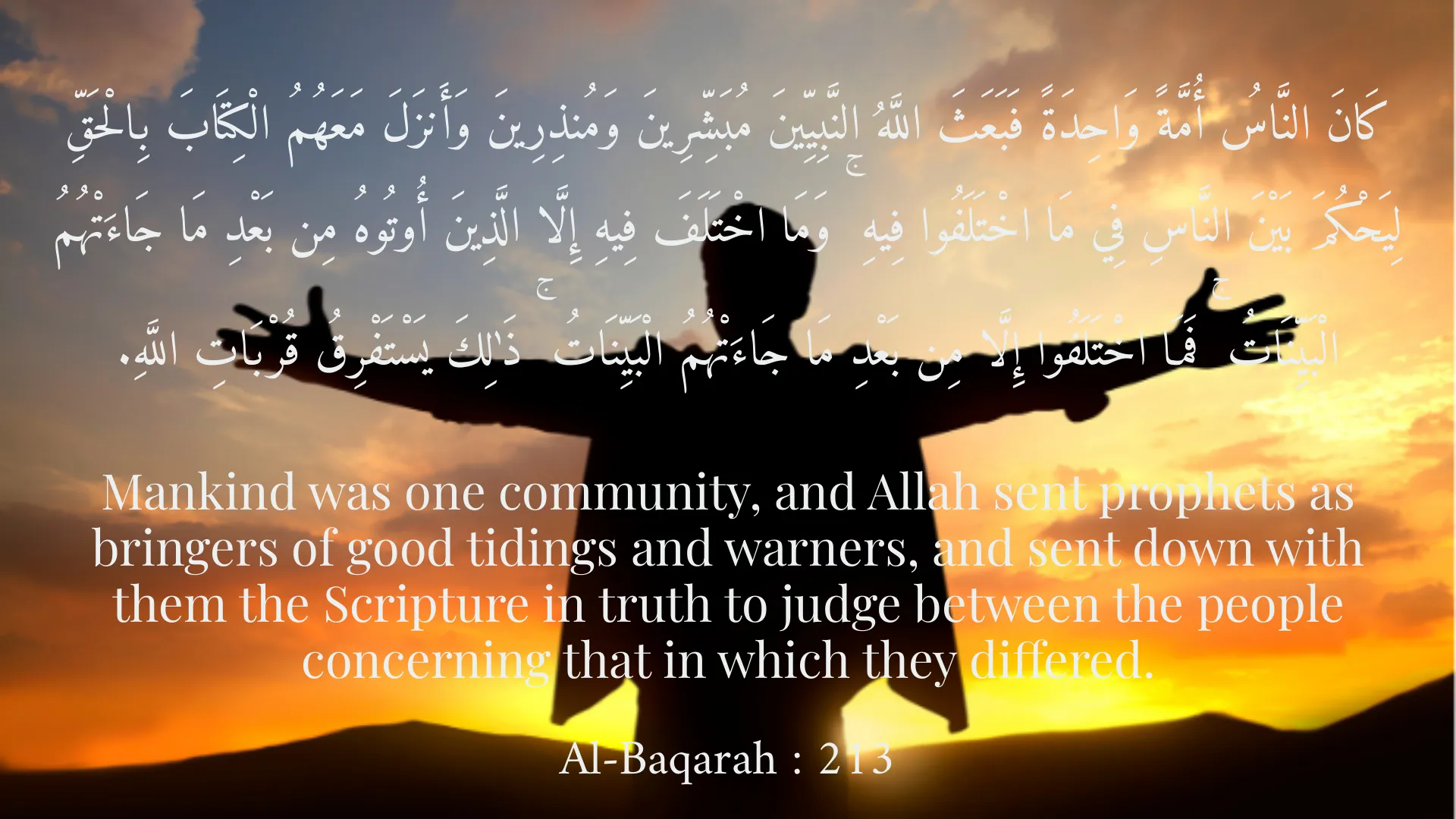
كَانَ النَّاسُ أُمَّةً وَاحِدَةً فَبَعَثَ اللَّهُ النَّبِيِّينَ مُبَشِّرِينَ وَمُنذِرِينَ وَأَنزَلَ مَعَهُمُ الْكِتَابَ بِالْحَقِّ لِيَحْكُمَ بَيْنَ النَّاسِ فِي مَا اخْتَلَفُوا فِيهِ ۚ وَمَا اخْتَلَفَ فِيهِ إِلَّا الَّذِينَ أُوتُوهُ مِن بَعْدِ مَا جَاءَتْهُمُ الْبَيِّنَاتُ ۚ فَمَا اخْتَلَفُوا إِلَّا مِن بَعْدِ مَا جَاءَتْهُمُ الْبَيِّنَاتُ ۚ ذَٰلِكَ يَسْتَفْرِقُ قُرْبَاتِ اللَّهِ.
Mankind was one community, and Allah sent prophets as bringers of good tidings and warners, and sent down with them the Scripture in truth to judge between the people concerning that in which they differed.
Al-Baqarah : 213
الَّذِينَ يُنفِقُونَ فِي السَّرَّاء وَالضَّرَّاء وَالْكَاظِمِينَ الْغَيْظَ وَالْعَافِينَ عَنِ النَّاسِ ۗ وَاللَّهُ يُحِبُّ الْمُحْسِنِينَ
Who spend in the cause of Allah during ease and hardship and who restrain anger and who pardon the people. And Allah loves the doers of good.
Al-Imran : 134
Short Story
In a distant village, there lived a young man named Ali. He always felt envy towards the successes of his friends, which made his life bitter. One day, he approached a religious scholar and complained about it. The scholar said to him: 'If you want to eliminate jealousy, you must learn to be happy for others and be grateful for your own blessings.' Ali reflected on this and changed himself, soon realizing that his life was filled with joy and peace.