Quranic Answer
Anger is a complex and often misunderstood human emotion that can arise in a wide range of situations. Whether triggered by a personal loss, a significant change in life circumstances, or interactions with others, anger can profoundly impact our thoughts, behaviors, and relationships. As one of the fundamental aspects of human experience, the expression of anger requires careful consideration and management. In this article, we will explore the nature of anger, its implications, and how the guidance found in the Holy Quran offers us effective strategies for dealing with this powerful emotion. Anger's physiological and psychological components cannot be overlooked. It serves as a natural response to perceived threats, injustices, and frustrations, often prompting an instinctual fight-or-flight reaction. However, when uncontrolled, anger can escalate into aggression, lead to destructive actions, and strain interpersonal relationships. Thus, managing anger becomes crucial in assuring that our responses are not dictated by impulsive reactions but rather informed choices. The Holy Quran offers profound wisdom on the subject of anger management, urging believers to approach this emotion with mindfulness and restraint. One relevant verse can be found in Surah Al-Imran, verse 134, where Allah states: 'And who, when disaster strikes them, say, 'Indeed we belong to Allah, and indeed to Him we will return.' This verse serves as a reminder that, in times of trial, including moments of anger and distress, a return to faith and surrender is essential. Recognizing our ultimate belonging to Allah helps to put our temporary frustrations into perspective, encouraging us to respond with patience and reflection rather than reacting out of anger. Furthermore, this approach aligns with another teaching found in Surah Fussilat, verse 34: 'And not equal are the good deed and the bad. Repel by that which is best.' This powerful verse underscores the importance of responding to negative behavior – whether from ourselves or those around us – with kindness and goodness. By choosing to cultivate understanding and compassion in the face of provocation, we can effectively diffuse anger, both within ourselves and in our environment. It is a reminder that our responses to anger must not only reflect our own values but also have the potential to positively influence others. In practical terms, the verses from the Quran suggest a multi-faceted approach to managing anger. This includes the following strategies: 1. Reflection and Surrender: Acknowledging our emotions is important, and reflecting on our thoughts before reacting can prevent hasty decisions driven by anger. Emulating the reminder in Al-Imran, we can take a moment to surrender our frustrations to Allah, recognizing that life involves challenges and that setbacks are a part of our human experience. Practicing mindfulness in such moments can reduce the intensity of anger and offer clarity. 2. Response over Reaction: Instead of immediately reacting when anger arises, a deliberate response can have a transformative effect. The principle stated in Surah Fussilat encourages us to view conflicts through a lens of empathy rather than vengeance. By repelling negativity with kindness, we create an atmosphere conducive to understanding rather than escalation. This is crucial for maintaining healthy and constructive relationships. 3. Patience and Self-Control: Building patience is essential in the journey of emotional management. In moments when anger surges, taking a deep breath, stepping away from the situation, or seeking support from trusted individuals can be very helpful. Allah encourages us to exercise self-control, which is a virtue deeply valued in Islam. Practicing patience in the face of anger not only aids in personal growth but also in respecting the feelings of others. 4. Communication: Open and respectful dialogue can often alleviate anger before it escalates. The Quran teaches that approaching others with good intentions fosters unity and removes animosity. When disagreements arise, approaching the other party with a mindset geared towards resolution can lead to healthier outcomes. Clear and honest communication can transform potential conflicts into opportunities for growth and understanding. 5. Seeking Forgiveness: The Quran emphasizes the significance of forgiveness, both in seeking it from Allah and granting it to others. When we allow ourselves to forgive those who may have angered us, we liberate ourselves from the overwhelming burden that anger can bring. Recognizing that no one is perfect and that mistakes are part of life helps us to approach situations with grace and humility. The teachings of the Quran reinforce the idea that anger, like every other emotion, must be managed with wisdom and care. The examples laid out in the Quran encourage us to rise above our base instincts, and to treat others with compassion and respect, regardless of the situations that provoke us. In navigating life's frustrations and the anger that sometimes accompanies them, Muslims are reminded of the importance of their faith in guiding their reactions. In conclusion, anger is indeed a natural human emotion, but how we choose to express and manage this anger ultimately defines our character and impacts our lives. The Holy Quran provides valuable insights for those seeking to cope with anger in constructive ways. By internalizing these teachings, Muslims can approach anger with patience, kindness, and a commitment to self-betterment. It is through these practices that we are better equipped to maintain harmony within ourselves and in our relationships with others, fulfilling not only our spiritual obligations but also our inherent human desires for understanding and connection.
Related Verses
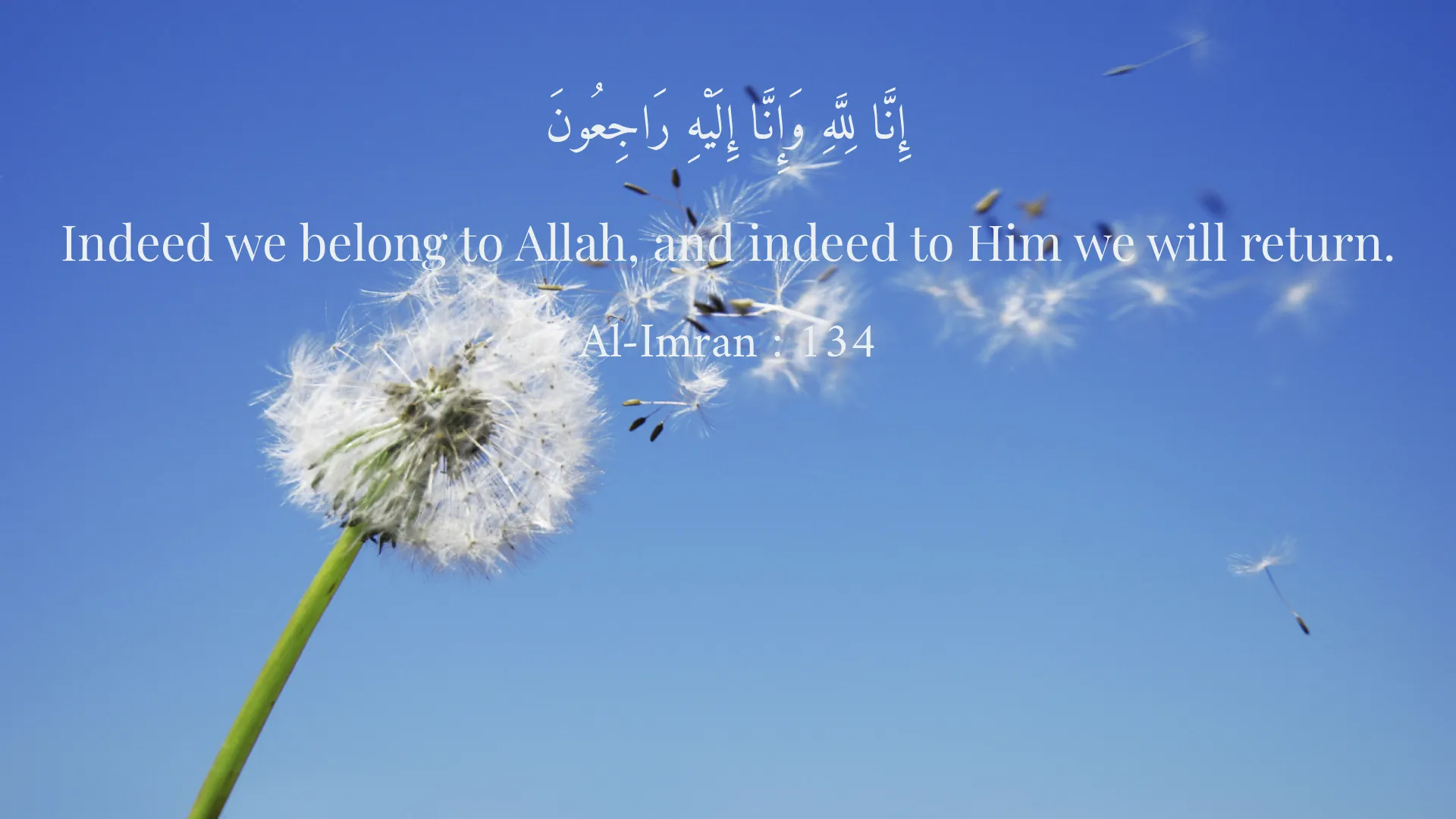
إِنَّا لِلَّهِ وَإِنَّا إِلَيْهِ رَاجِعُونَ
Indeed we belong to Allah, and indeed to Him we will return.
Al-Imran : 134
وَلَا تَسْتَوِي الْحَسَنَةُ وَالسَّيِّئَةُ ادْفَعْ بِالَّتِي هِيَ أَحْسَنُ
And not equal are the good deed and the bad. Repel by that which is best.
Fussilat : 34
Short Story
One day, a man named Hassan felt sudden anger and resentment growing in his heart. His passion escalated during a discussion with his friends. However, after some contemplation of the Quran's teachings and a prayer to Allah, he decided to smile instead of getting angry and respond with kindness. This positive reaction calmed his anger and also impacted his friends. They continued to nurture their friendship and love.