Quranic Answer
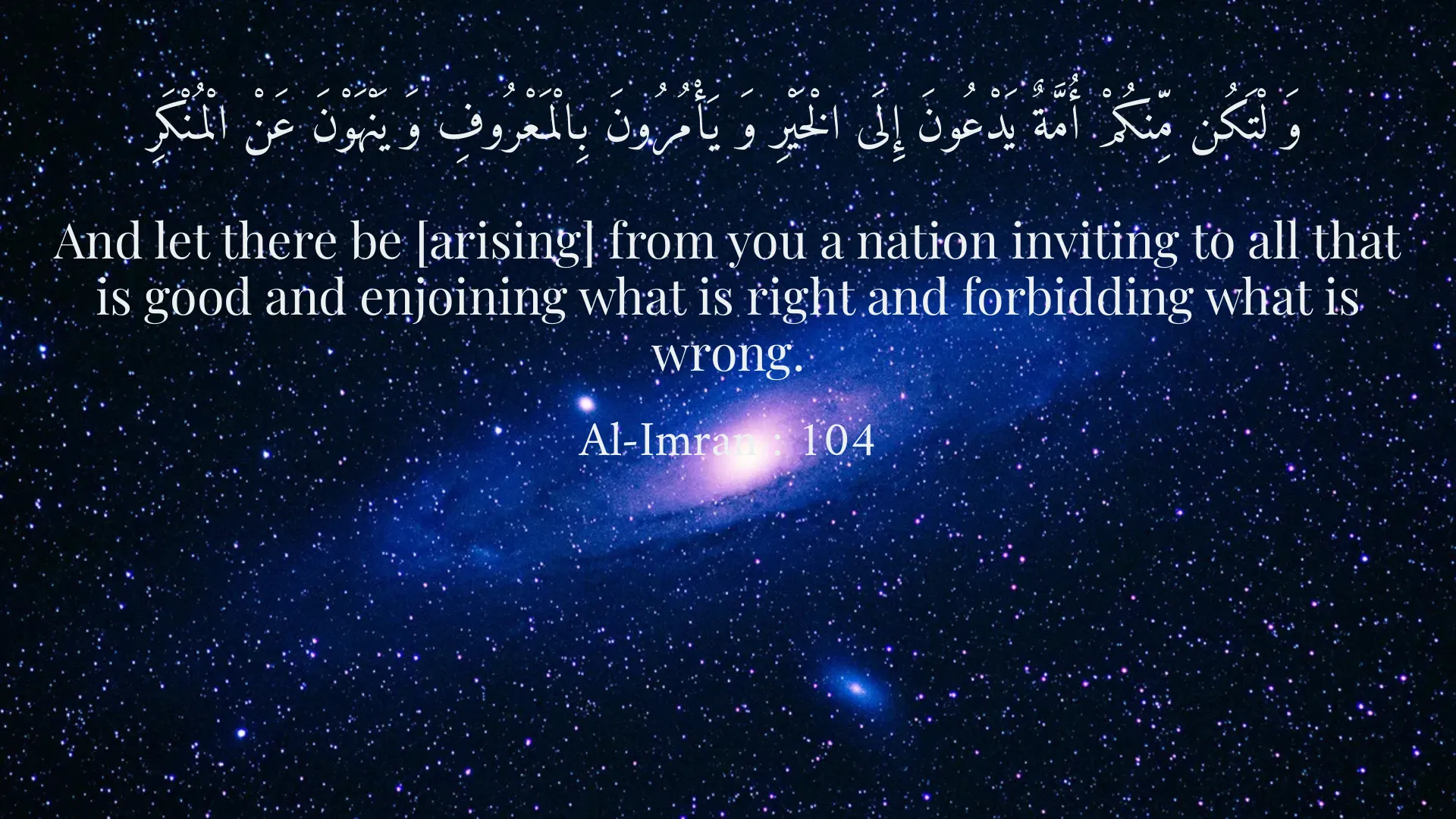
The Holy Quran, regarded as the ultimate guide for Muslims, emphasizes not just the relationship between individuals and God, but also the imperative of fostering positive relationships among people. One key aspect that the Quran addresses is the appropriate behavior towards others and the manner of interaction, particularly when one is confronted by individuals exhibiting negative or harmful behavior. This theme pervades various verses throughout the Quran, serving as a testament to the timeless wisdom it offers regarding human conduct. In this comprehensive examination, we will delve into several pertinent verses and the underlying principles that advocate for kindness, patience, and respect even in the face of negativity. In Surah Al-Imran, verse 104, Allah instructively declares: 'And let there be [arising] from you a nation inviting to all that is good and enjoining what is right and forbidding what is wrong.' This verse encapsulates the essence of fostering a community that actively promotes positive behavior and moral values. It serves as a call to action for Muslims to be proactive in encouraging good and discouraging bad behavior not only through words, but also through actions. Herein lies the importance of community engagement and collective responsibility in shaping societal norms that can combat negativity. When individuals engage in promoting goodness, they create a ripple effect that can ultimately lead to a more virtuous society. Conversely, the Quran acknowledges that negative behaviors will inevitably exist among people. In Surah Fussilat, verse 34, He states: 'And not equal are the good deed and the bad. Repel by that [deed] which is best.' This directive forms the foundation of the Islamic approach to confronting evil. It teaches us that the response to bad behavior should not mirror the negativity encountered; rather, it should embody a higher moral standard. The essence of this verse lies in the idea that good deeds possess an inherent power to outweigh and neutralize bad behavior. It highlights the necessity of responding to negativity with positivity and positive actions. Resistance to provocation with grace, empathy, and constructive behavior inspires individuals to rethink their actions and reassess their approach in social interactions. In the context of engaging with individuals who exhibit harmful behaviors, Surah Al-Mu’minun, verse 96 further reinforces this notion by stating: 'And repel by that [deed] which is best.' This repetition of a key teaching underscores its significant implication in daily life. It calls for a proactive stance in treating others well, even when faced with antagonism or harmful actions. It is here that emotional intelligence and maturity come into play; to properly address those who display bad behavior necessitates a profound sense of patience and perseverance. To respond to hostility with kindness may seem counterintuitive, but it opens avenues for dialogue and understanding. Instead of perpetuating animosity, good treatment can gradually dissolve tension and foster reconciliation. Additionally, embracing the principle of treating others with kindness, even when they might harm us, can lead to monumental positive changes. Such an approach embodies the higher moral ground that Islamic teachings advocate for. It emphasizes the importance of addressing and inspiring change rather than resorting to disrespect or retaliation. Responding differently than how one is treated can indeed advocate for a mindset shift, both for oneself and for others observing the situation. In a broader societal context, this can instigate a culture of respect and cooperation in which conflict is resolved amicably rather than confrontationally. The call for a balanced approach in interactions, as prescribed in the Quran, highlights the bigger picture of human responsibility. Individuals are called not merely to coexist but to thrive as constructive contributors to society. This moral framework encourages believers to embody virtues such as understanding, compassion, and dialogue. By doing so, they can work to alleviate personal tensions while promoting a culture of peace and trust. Furthermore, such a commitment to goodness can inspire others, creating a chain reaction that enhances collective welfare. This communal ethos can lead to the establishment of a more positive atmosphere in society where individuals are collectively accountable for each other’s well-being. To summarize, the Quran presents profound insights into the importance of behavior towards others and the need for constructive engagement, particularly in the face of negativity. Whether referenced in Surah Al-Imran, Surah Fussilat, or Surah Al-Mu’minun, the consistent message urges believers to foster a culture of goodness, respond to hostility with better deeds, and withstand harmful behavior with patience and kindness. The wisdom embedded in these verses guides us toward constructive social interactions and encourages the cultivation of an environment where goodness flourishes and negativity diminishes. Embracing this approach can lead to stronger community ties, enhance individual character, and contribute to the creation of a more harmonious world. Ultimately, the Holy Quran offers invaluable guidance on how to respond effectively in difficult circumstances and fosters a society bound by respect and mutual care.
Related Verses
وَ لْتَكُن مِّنكُمْ أُمَّةٌ يَدْعُونَ إِلَى الْخَيْرِ وَ يَأْمُرُونَ بِالْمَعْرُوفِ وَ يَنْهَوْنَ عَنْ الْمُنْكَرِ
And let there be [arising] from you a nation inviting to all that is good and enjoining what is right and forbidding what is wrong.
Al-Imran : 104
وَ لَا تَسْتَوِي الْحَسَنَةُ وَلَا السَّيِّئَةُ ۚ ادْفَعْ بِالَّتِي هِيَ أَحْسَنُ
And not equal are the good deed and the bad. Repel by that [deed] which is best.
Fussilat : 34
وَ ادْفَعْ بِالَّتِي هِيَ أَحْسَنُ
And repel by that [deed] which is best.
Al-Mu'minun : 96
Short Story
One day, a man named Hassan encountered someone who insulted him. Hassan initially remained calm and recalled the verses of the Quran. He tried to respond with kindness and respect. After a while, that person realized his behavior and apologized to Hassan. Hassan responded, 'We all make mistakes, but let's pray that Allah guides us toward goodness.' This kind interaction by Hassan significantly impacted the other person, leading him to behave better from that point onward.