Quranic Answer
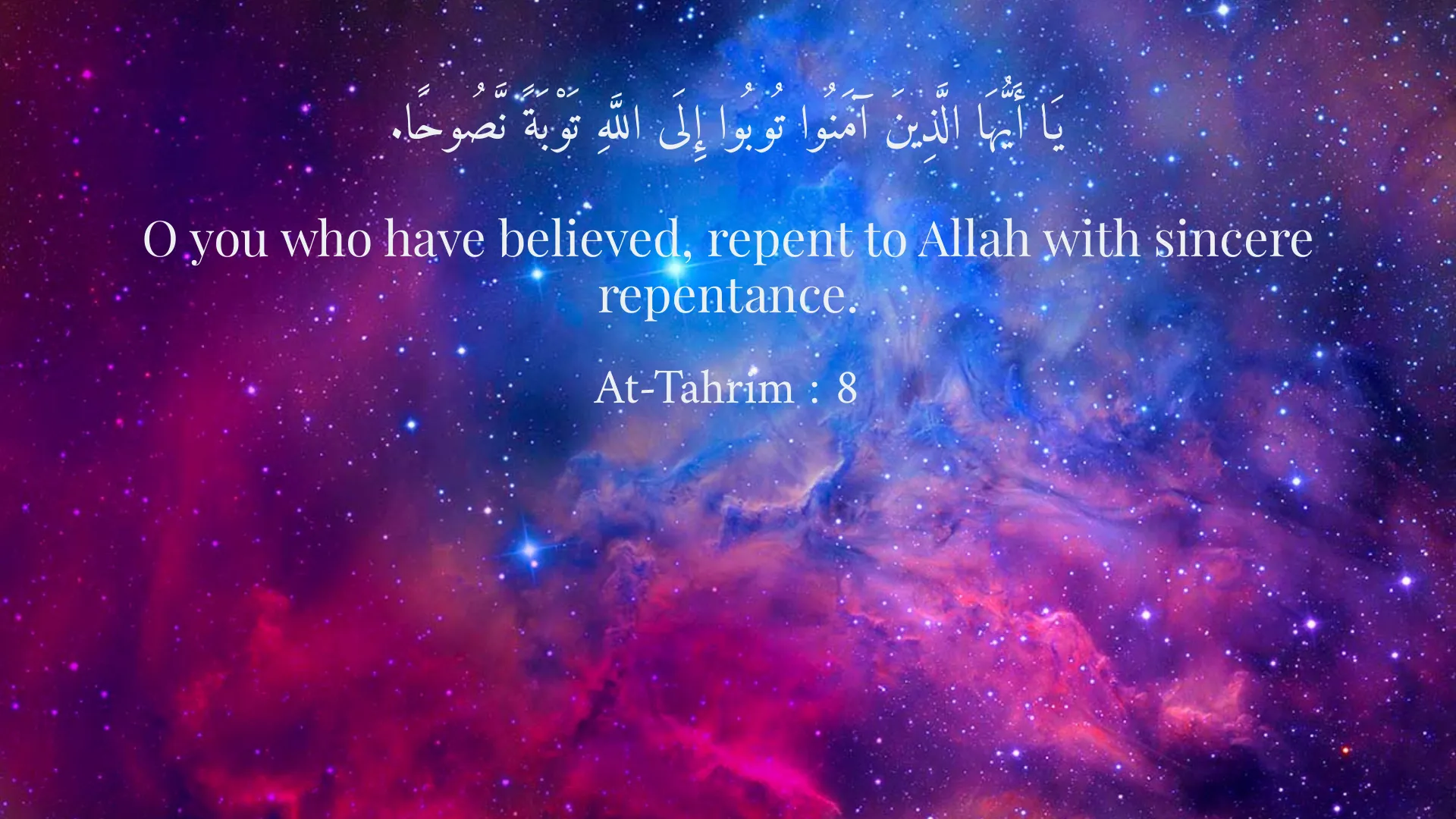
The concept of repentance, or 'Tawbah,' holds a profoundly significant place in the Holy Quran, emphasizing the importance of returning to God after committing sins. This notion is intrinsically linked to the ideals of mercy, forgiveness, and redemption within Islamic teachings. In the life of every individual, the experience of sin—however subtle or overt—can lead to a sense of distance from God, creating a spiritual void. The Quran offers a pathway back to divine presence through sincere repentance. This article explores the nuances of repentance in Islam, the significance of kindness and forgiveness towards repentant sinners, and how these concepts contribute to overall well-being and spiritual growth. To begin with, the essence of repentance in Islam is deeply rooted in acknowledging one's sins and sincerely turning away from them. The Quran articulates this beautifully in Surah At-Tahrim, verse 8, where Allah urges the believers to, 'repent to Allah with sincere repentance.' This verse encapsulates the importance of not merely seeking forgiveness through words, but genuinely intending to reform one’s actions. It's a call to possess a heartfelt resolve to avoid sinful behaviors in the future. Repentance, as described in Islam, is not merely an individual endeavor; it transforms one's relationship with God and with others. When believers engage in genuine Tawbah, it indicates their recognition of wrongdoing coupled with a strong desire to rectify their ways. Such a transformative process inherently fosters personal growth and encourages other individuals to also reflect on their actions and seek divine forgiveness. The Quran reassures us of Allah's boundless mercy, stating in Surah Az-Zumar, verse 53: 'O My servants who have believed, do not despair of the mercy of Allah. Indeed, Allah forgives all sins.' This vital assurance brings hope and represents a fundamental tenet of Islamic faith: no matter the gravity of one’s sins, steadfast belief and sincere repentance can lead to forgiveness. The belief in divine mercy cultivates an inviting atmosphere for those who have strayed—a chance for rehabilitation and renewed faith. Therefore, followers of Islam are destined to respond to repentant sinners with compassion, empathy, and understanding. When a person comes forth, admitting their faults and seeking forgiveness, the collective response from the Muslim community should be one of kindness. This is a principle deeply enshrined within Islamic teachings. Shunning anger or judgment towards repentant individuals ensures a supportive environment that allows for healing and growth. The emphasis on mercy is echoed in the hadith, where the Prophet Muhammad (peace be upon him) advocated for forgiveness, stating, 'Whoever does not show mercy to our young or honor our old is not one of us.' This directive resonates greatly in the context of dealing with those who have repented, urging believers to maintain a compassionate demeanor at all times. Reflecting upon our interactions with individuals seeking forgiveness reveals deeper implications. Embracing the value of forgiveness not only uplifts the repentant individual but also reinforces our spiritual connection to God. It embodies the spirit of Islam—promoting love, understanding, and respect towards one another. Each time we forgive a sin, either our own or that of someone else, we draw closer to our Creator, as we embody the mercy He extends to us. Furthermore, dealing delicately with repentant sinners helps sustain their dignity. Individuals often seek repentance out of genuine remorse for their actions, but they may also face societal ridicule or scorn upon expressing their desire to change. It is crucial, therefore, that the Muslim community offers guidance, support, and reassurance instead of harsh criticism. The act of forgiveness and the maintenance of dignity can be transformative on personal and communal levels. Respecting the repentance of ourselves and others provides a pathway to experiential happiness and salvation. The spiritual journey does not culminate in the mere act of seeking forgiveness; rather, it is a continuous weaving of humility, aspiration, and interaction with the divine. Through sincere self-reflection and the desire to improve, believers not only foster a deeper understanding of themselves but also the grace of God in their lives. Repentance becomes a tool for emotional and spiritual resilience, reinforcing the idea that everyone has the capacity to overcome their past misdeeds. It fosters a cycle of compassion, as those who have experienced forgiveness are often inclined to extend the same grace to others. By embodying these principles, the community can transform into a supportive network that champions understanding and renewal. In summation, the importance of repentance in Islam extends beyond merely seeking forgiveness—it embodies a transformative process for individuals and the community alike. The Quran’s divine assurances and teachings compel believers to embrace kindness and forgiveness when dealing with repentant sinners. Allowing room for individuals to repent encourages a culture of compassion and support, reflecting the core values of the Islamic faith. Ultimately, respecting the journey of repentance, promoting forgiveness, and ensuring the dignity of those who seek mercy enrich our lives both spiritually and emotionally. As we navigate our path towards happiness and salvation, following the teachings of Islam regarding repentance leads us closer to God, fostering an environment where love, understanding, and kindness thrive.
Related Verses
يَا أَيُّهَا الَّذِينَ آمَنُوا تُوبُوا إِلَى اللَّهِ تَوْبَةً نَّصُوحًا.
O you who have believed, repent to Allah with sincere repentance.
At-Tahrim : 8
يَا عِبَادِي الَّذِينَ آمَنُوا لَا تَقْنَطُوا مِن رَّحْمَةِ اللَّهِ.
O My servants who have believed, do not despair of the mercy of Allah.
Az-Zumar : 53
Short Story
One day, a man named Hasan contemplated the sins he had committed and wondered if there was a way to rectify his wrongs. He remembered the verses of the Quran and decided to repent. Once he repented, he felt a sense of peace and returned to the community. The people accepted him with open arms, and Hasan realized that love and forgiveness had transformed his life.