Quranic Answer
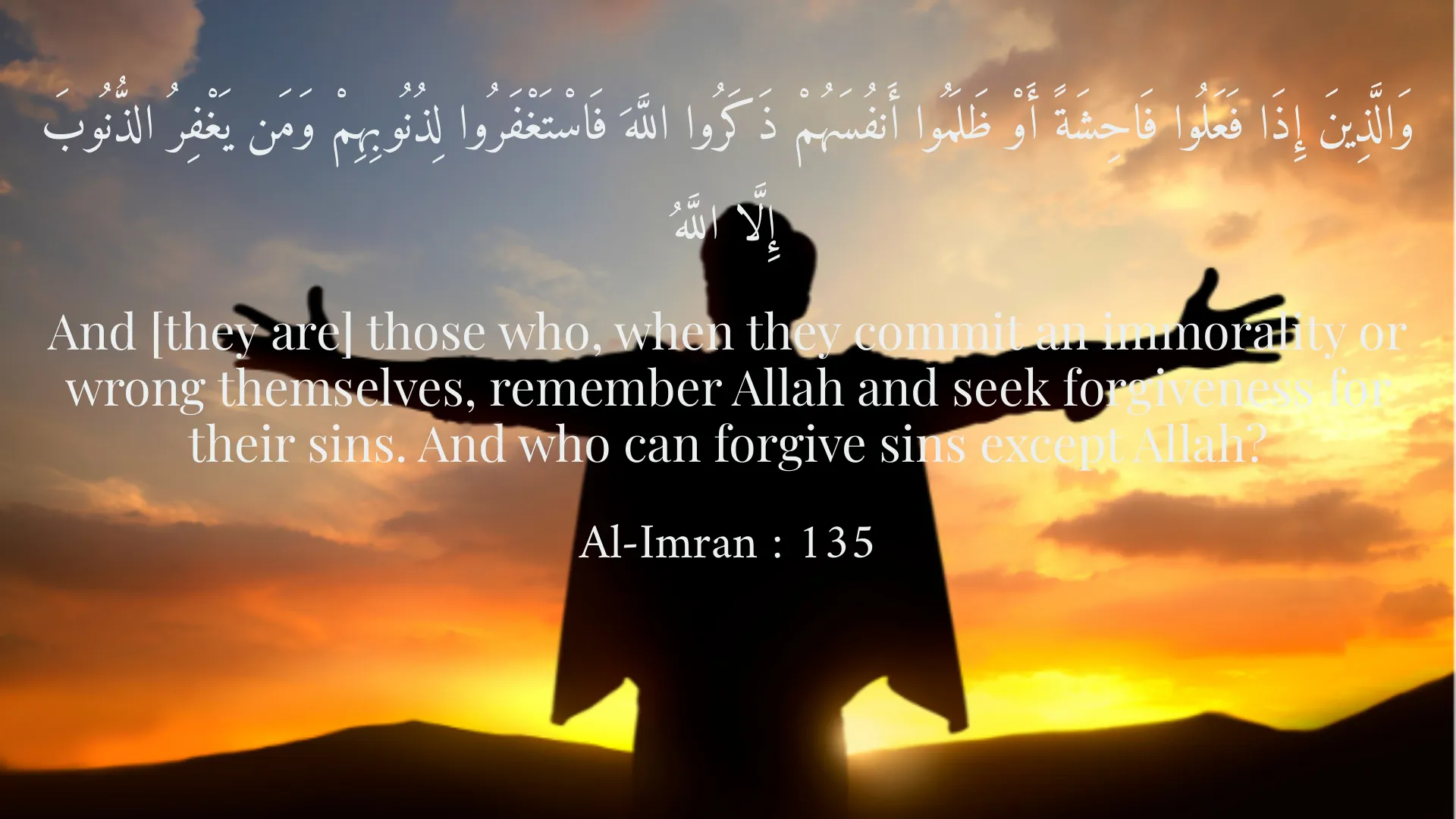
Anger is an emotion that all humans experience at some point in their lives. It can arise from various sources, including stress, frustration, and perceived injustices. While it is a natural response, how we choose to handle and express our anger is of great significance. The Holy Quran provides insightful guidance on managing anger, promoting not just self-control but also forgiveness and compassion. Understanding these teachings can help individuals lead healthier, more fulfilling lives. In Surah Al-Imran, verse 134, Allah describes the characteristics of the true believers: 'And [they are] those who, when they commit an immorality or wrong themselves, remember Allah and seek forgiveness for their sins. And who can forgive sins except Allah?' (Al-Imran, 135). This verse highlights a critical aspect of dealing with anger: the importance of self-awareness and humility. When faced with situations that provoke anger, believers are reminded to reflect upon their own shortcomings and seek Allah’s forgiveness. This process not only mitigates feelings of anger but also fosters a spirit of understanding and compassion towards others. It encourages individuals to put themselves in the shoes of those they are angry with, recognizing that everyone makes mistakes. The Quranic approach to anger management is not merely about suppressing emotions; instead, it emphasizes channeling those emotions constructively. For instance, in Surah Fussilat, verse 34, it states: 'And not equal are the good deed and the bad.' (Fussilat, 34). This verse reinforces the idea that when faced with negativity, believers should strive to respond with kindness and good deeds. It suggests a proactive approach in the face of anger—responding to hostility with compassion and understanding. Such reactions not only help diffuse tense situations but also contribute to personal growth and the cultivation of a peaceful community. Moreover, patience and endurance play significant roles in managing anger, as highlighted in Surah Ash-Shura, verse 37. Here, Allah reminds us that patience is a quality of the righteous, encouraging believers to exhibit self-restraint in challenging situations. The ability to remain calm and collected, even when provoked, is a sign of strength and maturity. Practicing patience allows individuals to process their emotions more effectively and respond thoughtfully rather than react impulsively. Dealing with anger requires a multifaceted approach, including self-reflection, remembrance of Allah's blessings, and the practice of good behavior. One effective way to manage anger is through techniques like deep breathing exercises, which can help calm the mind and body when emotions run high. Deep breathing enables individuals to center themselves, providing a moment of pause to assess the situation before reacting. Another important technique in managing anger is identifying and avoiding triggers. Many people have specific situations or behaviors that provoke their anger. By recognizing these triggers, individuals can either avoid them or prepare themselves mentally to face them with composure. This proactive stance can significantly reduce instances of anger and promote a sense of control over one’s emotions. Additionally, engaging in regular self-care practices such as physical exercise, meditation, and maintaining a balanced diet can enhance emotional resilience. Exercise helps release endorphins, which can improve mood and reduce stress levels, while meditation fosters a sense of inner peace and clarity of mind. Together, these practices equip individuals with the tools necessary to handle anger in healthier ways. Moreover, communication is a vital aspect of addressing and managing anger. Often, anger stems from misunderstandings or miscommunication. Learning to express oneself clearly and constructively can help to alleviate feelings of frustration. Practicing assertive communication allows individuals to articulate their feelings without resorting to aggression, promoting mutual respect and understanding. Ultimately, the Quranic teachings on anger management promote a comprehensive approach that emphasizes emotional intelligence, compassion, and forgiveness. By embodying these principles, individuals can transform their relationship with anger from one of chaos to one of growth and healing. The ability to manage anger in a productive manner not only enhances personal well-being but also contributes to the greater good of society. In conclusion, anger is a universal emotion that requires careful management. The guidance provided in the Holy Quran serves as a roadmap for believers, encouraging them to approach anger with reflection and patience. By cultivating forgiveness, responding with kindness, and practicing self-restraint, individuals can navigate their emotional landscapes more effectively. Incorporating anger management techniques and self-care practices into daily life can further bolster one's ability to maintain composure in challenging situations. Ultimately, as we learn to deal with anger constructively, we pave the way for healthier relationships and a more peaceful world.
Related Verses
وَالَّذِينَ إِذَا فَعَلُوا فَاحِشَةً أَوْ ظَلَمُوا أَنفُسَهُمْ ذَكَرُوا اللَّهَ فَاسْتَغْفَرُوا لِذُنُوبِهِمْ وَمَن يَغْفِرُ الذُّنُوبَ إِلَّا اللَّهُ
And [they are] those who, when they commit an immorality or wrong themselves, remember Allah and seek forgiveness for their sins. And who can forgive sins except Allah?
Al-Imran : 135
وَ لاَ تَسْتَوِ الْحَسَنَةُ وَ الْسَّيِّئَةُ
And not equal are the good deed and the bad.
Fussilat : 34
وَالَّذِينَ يَجَانِبُونَ كَبَائِرَ الْإِثْمِ وَ الْفَوَاحِشَ وَإِذَا مَا غَضِبُوا هُمْ يَغْفِرُونَ
And those who turn away from the major sins and immoralities, and when they are angered, they forgive.
Ash-Shura : 37
Short Story
One day, Adel was sitting in the garden of his house, pondering about his life. He felt that sometimes anger would overwhelm him and he couldn't control himself. He remembered the verses of the Quran and decided to reduce his anger by remembering Allah and acknowledging His blessings. From that day on, whenever he felt angry, he calmed himself by turning to Allah and reciting a short prayer.