Quranic Answer
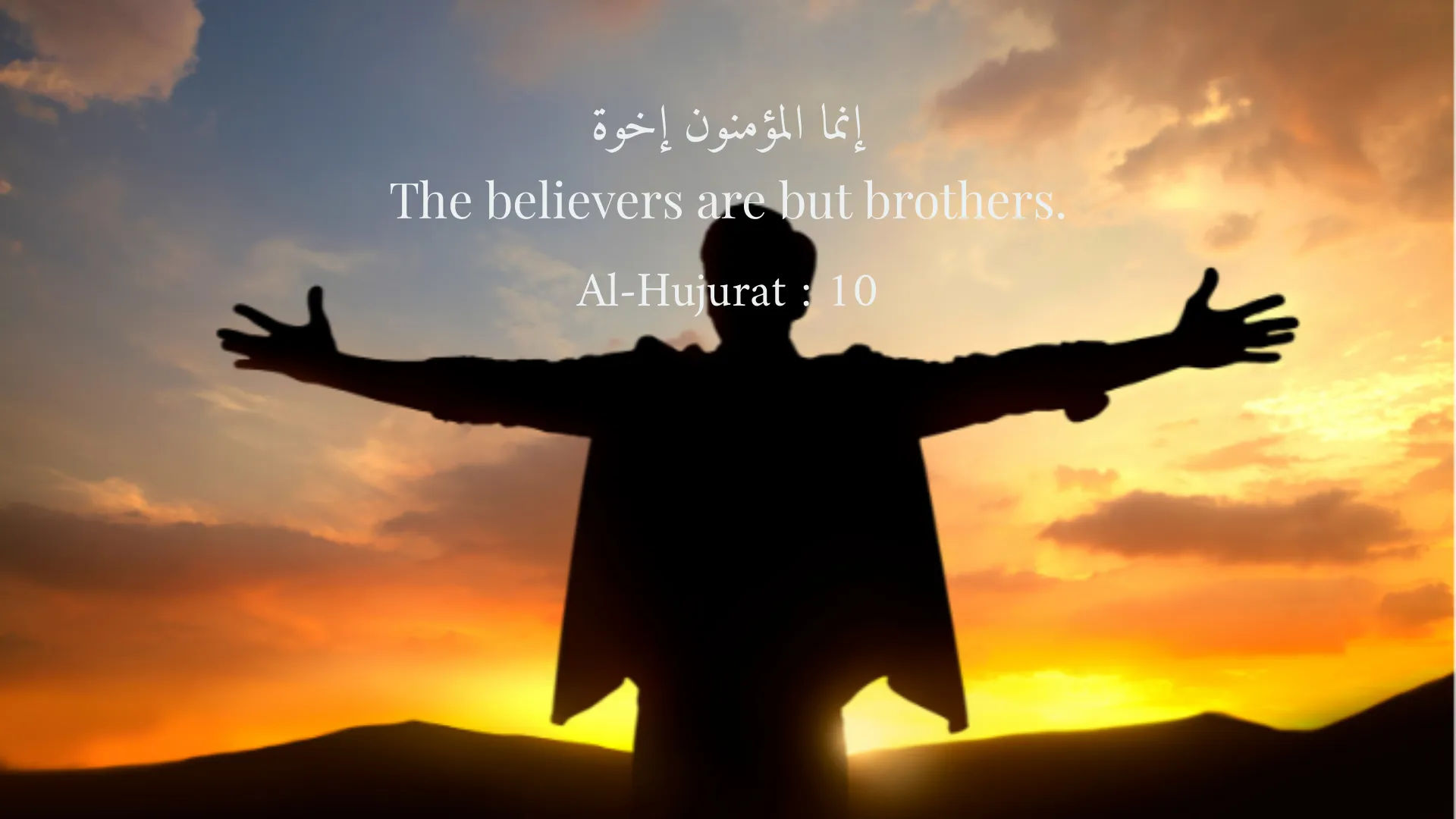
In the Holy Quran, Allah emphasizes the necessity of peace and ending enmities among individuals and communities. This divine guidance towards peaceful coexistence is crucial in a world often plagued by conflicts, misunderstandings, and divisions. One significant verse that addresses this issue is verse 10 of Surah Al-Hujurat, which states, 'The believers are but brothers.' This verse clearly highlights the concept of brotherhood and friendship among Muslims, underscoring the idea that believers should see each other as part of a larger family. In an age where divisions and enmity can foster hatred and violence, the Quran calls for reconciliation and the active combat of enmity through understanding and compassion. The emphasis on brotherhood is not merely a call to friendship; it is a profound reminder that the essence of our faith binds us together beyond cultural, social, or racial differences. It urges Muslims to interact with one another with kindness and consideration, promoting unity and cooperation within the community. This theological perspective encourages followers to resolve disputes amicably rather than allowing conflicts to escalate into hostility. Furthermore, verse 13 of Surah Al-Hujurat states, 'O mankind, indeed We have created you from male and female and made you peoples and tribes that you may know one another. Indeed, the most noble of you in the sight of Allah is the most righteous of you.' This verse establishes that the true measure of a person’s worth is not based on their ancestry, race, or social status, but rather on their piety and good deeds. Such teachings dismantle the foundations of prejudice and enmity, urging believers to recognize and celebrate their shared humanity. The concept of peace as discussed in the Quran extends beyond mere absence of conflict; it involves the fostering of characteristics such as patience, forgiveness, and empathy. In various verses, Allah emphasizes the importance of forgiveness towards those who have wronged us, highlighting that forgiveness not only serves to heal relationships but can also lead to personal tranquility. This theme of forgiveness is reiterated throughout Islamic teachings, where a believer is encouraged to rise above grudges and resentments. Such qualities are pivotal in dismantling enmity and fostering a more harmonious society. Moreover, positive interaction and dialogue can significantly improve relationships within communities. Engaging in open conversations where differing opinions and perspectives can be shared is essential for building understanding. The Quran encourages believers to listen to one another and understand their points of view. This fosters an environment where enmity can be addressed constructively rather than confrontationally, paving the way for collaborative solutions to challenges faced by communities. The journey towards ending enmities is not solely an interpersonal one; it is also deeply rooted in community dynamics. By actively participating in initiatives that aim to bridge gaps between differing groups, individuals embody the Quranic values of unity and compassion. Programs that promote intercultural dialogue, social cohesion, and community service can help cultivate an environment where peace flourishes. As Muslims strive to reflect these values in their lives, they can contribute to a broader culture of solidarity and friendship. Essentially, to effectively end enmities, we must seek common ground and shared values. Understanding that we all stem from one source—a divine creation—serves as a reminder of our inherent interconnectedness. By nurturing relationships based on mutual respect and appreciation, we can dismantle the barriers that often separate us. The Quranic message of love and brotherhood serves as a guiding light, reminding us to exemplify these values in our daily interactions. Ultimately, let peace begin from our hearts. Each individual holds the potential to spread love and understanding in their circles. It is through the small, everyday acts of kindness that a culture of peace is cultivated. Whether it is through speaking kindly, offering assistance, or simply listening to those around us, these actions resonate beyond our immediate environments and contribute to a collective effort of fostering harmony. Thus, Allah's guidance in the Holy Quran towards peace, brotherhood, and reconciliation serves as a timeless message that remains relevant in a world that continues to confront divisions. In conclusion, the emphasis on peace and the end of enmities found in the Holy Quran is a critical reminder for all believers. The teachings about brotherhood, forgiveness, empathy, and shared humanity encourage us not just to coexist, but to thrive together as a unified community. By embodying these principles, we pave the way for a society that reflects the divine will for harmony and love for one another. As we navigate our relationships, let us remain committed to promoting peace and cultivating an enduring bond of brotherhood grounded in the teachings of our faith.
Related Verses
إنما المؤمنون إخوة
The believers are but brothers.
Al-Hujurat : 10
يَا أَيُّهَا النَّاسُ إِنَّا خَلَقْنَاكُم مِّن ذَكَرٍ وَأُنثَىٰ وَجَعَلْنَاكُمْ شُعُوبًا وَقَبَائِلَ لِتَعَارَفُوا
O mankind, indeed We have created you from male and female and made you peoples and tribes that you may know one another.
Al-Hujurat : 13
Short Story
Once upon a time, a man faced an old enmity. Instead of retaliating, he decided to approach and talk to his adversary. Inspired by the verses of the Quran, he concluded that love and friendship could eliminate enmities. He respectfully engaged in a conversation with his foe and, in the end, they became good friends. This change in behavior showcased the power of love and forgiveness.