Quranic Answer
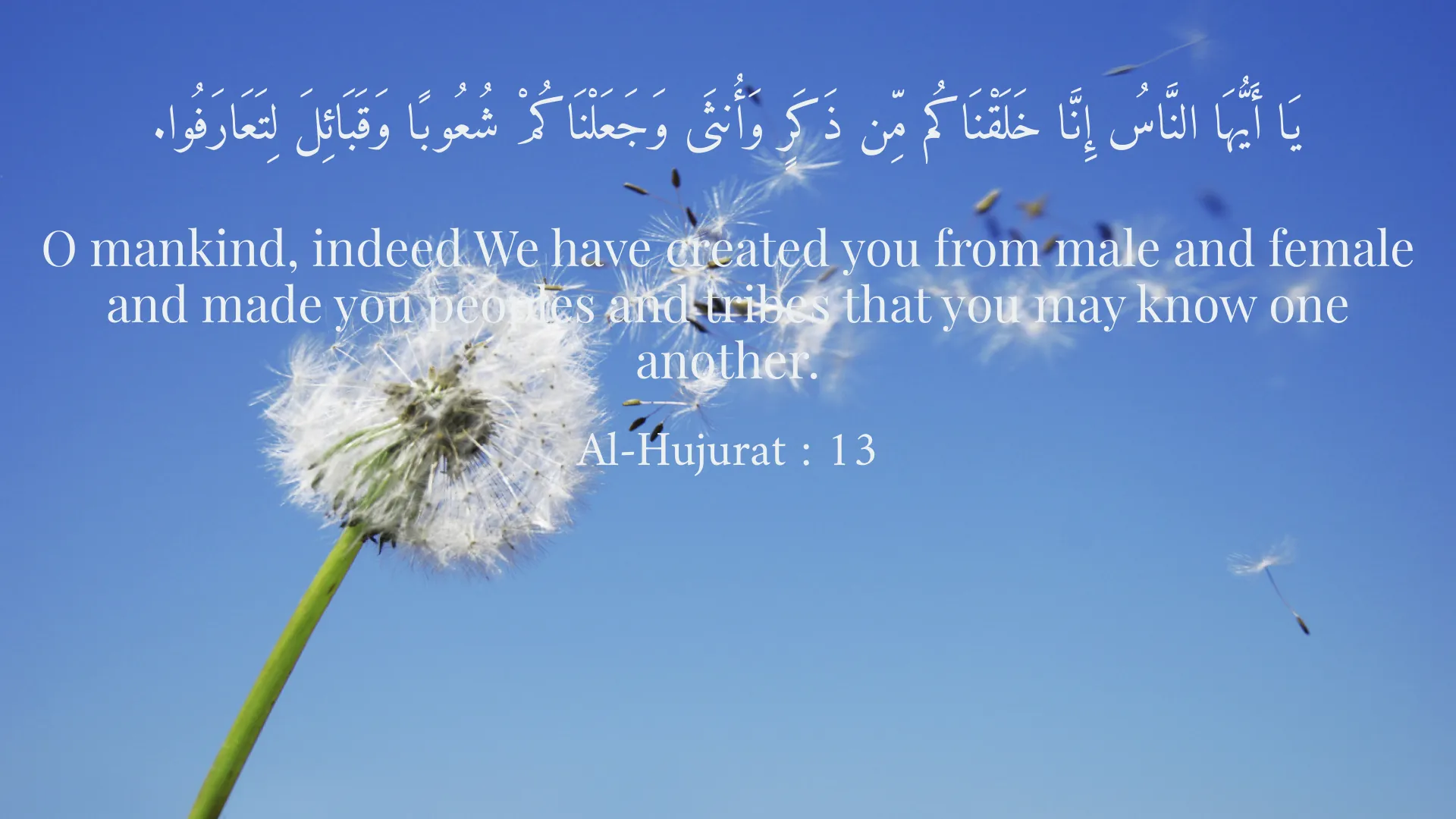
In the Holy Quran, the treatment of others is emphasized as a social and moral responsibility, shaping the path for harmonious cohabitation in society. Allah's pronouncement in Surah Al-Hujurat, verse 13, reads: 'O mankind, indeed We have created you from male and female and made you peoples and tribes that you may know one another.' This profound verse serves as a reminder that, irrespective of our diverse backgrounds, cultures, or ethnicities, we share a common humanity. The creator's intent behind our differences is not division but rather connection; an opportunity for us to learn from each other, to foster understanding, and cultivate mutual respect. This egalitarian perspective underscores that all humans are inherently equal, and hence respecting one another becomes a shared moral and social obligation. Furthermore, in Surah Al-Mu’minun, Allah commands: 'And behave well; indeed, good behavior is only for those who are good.' These sacred verses not only outline the significance of kind and decent behavior towards others but illustrate righteous conduct as a divine decree stemming from goodness in one's heart. Hence, the essence of our character and the nature of our actions align closely in determining how we interact with others in society. ### The Profound Importance of Good Character In investigating the concept of good character, it becomes apparent that it is multifaceted and essential for nurturing relationships. Good character encompasses virtues such as patience, empathy, forgiveness, and generosity, which, when exhibited, foster an atmosphere of kindness and inclusivity. Our everyday interactions are opportunities to embody these virtues. For instance, small gestures of kindness can significantly impact someone's day and, subsequently, their outlook on life. Additionally, Allah's continuous insistence on maintaining good behavior serves as a reminder that our actions possess both immediate and far-reaching consequences. The way we treat others influences not just their lives but also the broader community. Positive, respectful treatment toward others can catalyze a ripple effect, promoting a culture of kindness, where individuals feel valued and secure. This culture nurtures a sense of belonging, reinforcing social ties that bind us together as a community. ### Manifestations of Kindness in Daily Life In practice, treating others with kindness can take numerous forms. It can manifest through simple acts: offering a smile to a stranger, extending a helping hand to someone in need, providing a listening ear, or expressing gratitude. Additionally, avoiding foul speech, harsh words, and judgmental attitudes towards others forms a crucial part of demonstrating goodwill. The Quran encourages believers to uphold the dignity of those around them, reminding them that every individual is deserving of respect. Moreover, engaging in community service illustrates a commitment to treating others well. Acts of charity, volunteering, and supporting community initiatives exemplify how we can channel our resources and capabilities to uplift those in need. Such involvement not only enhances our personal growth but also fosters an environment where communal ties strengthened by mutual support prevail. ### The Larger Community Perspective Beyond the individual realm, kindness and respectful treatment play an integral role in establishing and maintaining a cohesive community. A society rooted in the principles of mutual respect and kindness is likely to experience less conflict and more cooperation. Individuals feel empowered and engaged, leading to a sustainable community environment where diversity is celebrated, and differences are embraced. In contrast, when negative behaviors such as hostility or discrimination arise, they can erode the very fabric of community life, resulting in division and animosity. Hence, striving for good behavior, as mandated in the Quran, becomes paramount in achieving societal harmony. By holding ourselves accountable for our actions and treating others with fairness and love, we contribute to the creation of an equitable society. ### The Ripple Effect of Our Behavior Ultimately, it is crucial to acknowledge that our behavior can profoundly affect others. Each interaction provides an opportunity to create an impact, whether large or small. Positive behavior fosters a sense of safety and trust in relationships, encouraging openness and further engagement. Conversely, negative behavior can lead to feelings of isolation or resentment. As responsible individuals and members of society, we should aspire to be exemplary role models. This includes acting with integrity, treating others as we would like to be treated, and bringing positivity to those we interact with daily. Parents, educators, and community leaders hold particular significance in shaping the moral compass of future generations. By exemplifying kindness and respect, they instill these values in their communities and the youth, ensuring a legacy of goodness. ### Conclusion In conclusion, the teachings of the Holy Quran on the treatment of others underscore a profound social and moral responsibility ingrained in the fabric of our humanity. The emphasis on good behavior reflects the essence of communal living, where mutual respect and kindness are promoted. By acknowledging our differences as a means of building connections rather than barriers, we can create enriched lives for ourselves as well as for others. It is imperative for us to strive to treat others with compassion, foresight, and integrity, recognizing that such behavior not only elevates our own lives, but it also strengthens the community at large, paving the way for a harmonious coexistence in a diverse world.
Related Verses
يَا أَيُّهَا النَّاسُ إِنَّا خَلَقْنَاكُم مِّن ذَكَرٍ وَأُنثَى وَجَعَلْنَاكُمْ شُعُوبًا وَقَبَائِلَ لِتَعَارَفُوا.
O mankind, indeed We have created you from male and female and made you peoples and tribes that you may know one another.
Al-Hujurat : 13
وَأَحْسِنُوا إِنَّ الْمُحْسِنِينَ لَهُمْ أَجْرٌ كَبِيرٌ.
And behave well; indeed, good behavior is only for those who are good.
Al-Mu'minun : 11
Short Story
One day, a man named Saeed decided to show more love and respect to others. He greeted everyone he met every day and helped others in public places. After a while, others took inspiration from him, and these good behaviors spread throughout his community. Saeed was happy to have caused positive changes in the lives of others with his good behavior.