Quranic Answer
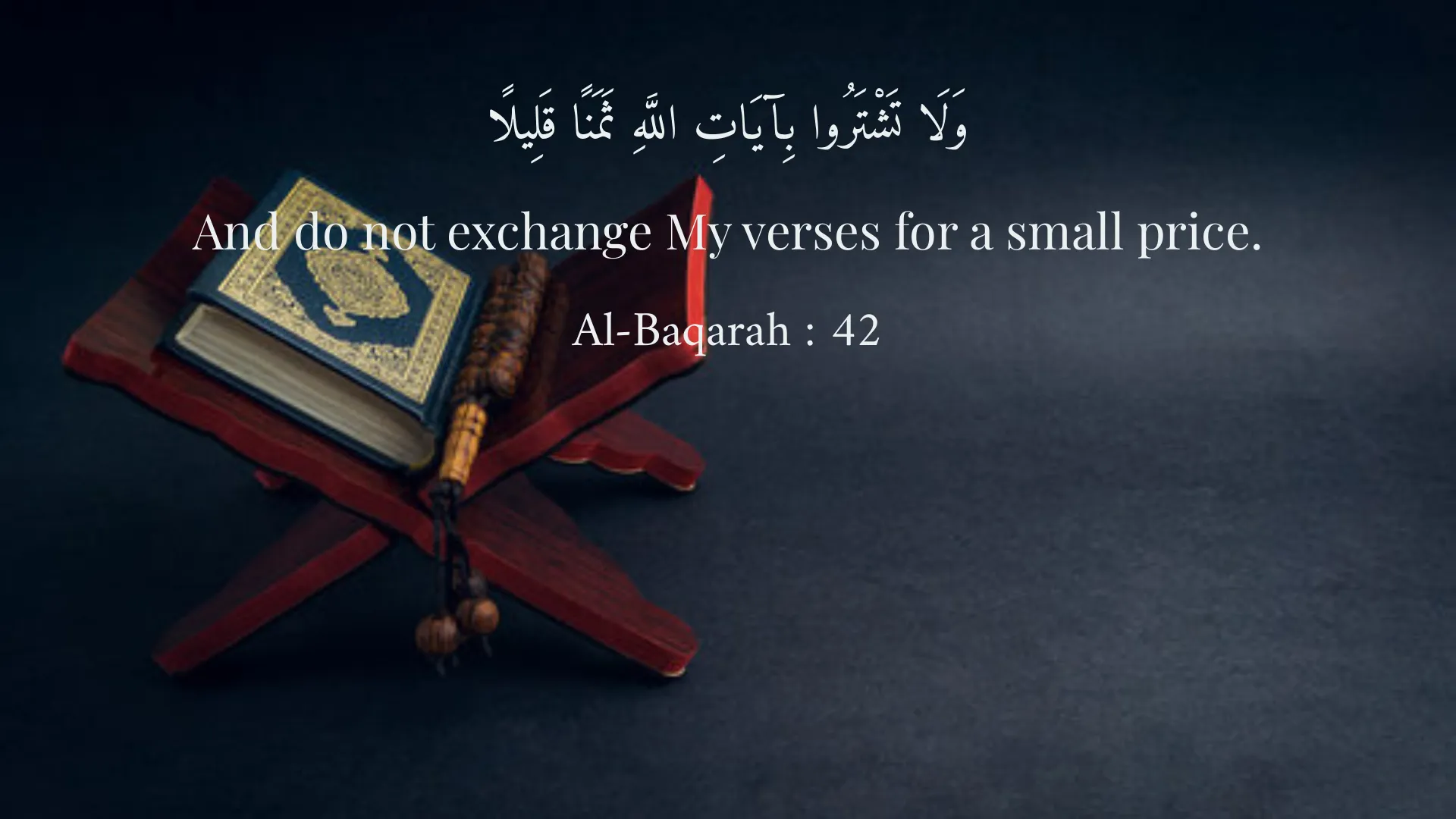
Lying is one of the characteristics that is strongly condemned in the Holy Quran, and it is vital to understand its implications for our daily lives. The Quran, as the holy book of Islam, offers profound guidance on morality and ethics, among which the principles of truthfulness and honesty stand out prominently. The significance attributed to these values in the Quran cannot be overstated, as they form the foundation of a believer's character and social interactions. In this article, we will delve into the concept of lying as addressed in the Quran, its detrimental effects, especially when associated with humor, and the importance of maintaining honesty in all aspects of life. To begin, one of the key verses that encapsulates the Quran's firm stance against lying can be found in Surah Al-Baqarah, verse 42: "And do not exchange My verses for a small price;" This powerful statement underscores not only the importance of preserving the truth but also the intrinsic value of honesty in both faith and actions. Here, Allah warns believers against the temptation to compromise their principles for any form of material gain. Truthfulness is not merely a social expectation; it is a divine command that should guide all our dealings. Moreover, the Quran emphasizes that lying—particularly in lighthearted contexts such as jokes—can erode an individual's integrity over time. When a person believes it is harmless to tell white lies or to fabricate stories for humorous purposes, they may inadvertently distance themselves from the path of honesty. The consequences of such actions can be subtle yet significant, leading to a gradual desensitization towards the truth. The essence of a strong moral character relies on unwavering honesty, and any deviation from this path can have ramifications not only for the individual but for the community at large. In Surah An-Nur, verse 19, Allah warns, "Indeed, those who love to see scandal disseminated among the believers will have a painful punishment." This verse serves as a stern reminder of the potential consequences that can arise from spreading lies and engaging in gossip. The act of lying, whether intended for amusement or malice, can inflict harm not just on the individual who is the subject of the lie but also on the societal fabric. The ripple effect of dishonesty can lead to mistrust, alienation, and a breakdown of relationships among individuals. To illustrate, consider a scenario in which an individual tells a harmless joke that, unbeknownst to them, perpetuates a false stereotype about another group. While the intention may have been playful, the impact can contribute to a collective misunderstanding, reinforcing biases and potentially inciting animosity. This highlights that even light-hearted lies can carry weighty consequences that extend beyond mere amusement. Thus, the Quranic call for sincerity in speech and behavior resonates deeply in these everyday situations. Acknowledging that honesty is a fundamental symbol of faith is essential for ensuring we remain sincere, even in jest. During moments of laughter and camaraderie, it becomes crucial to exercise mindfulness of our words. This is not merely an exhortation to refrain from lying; rather, it is a deeper commitment to embodying the values that reflect our beliefs. By cultivating self-awareness and a sense of responsibility, we can intentionally choose to communicate truthfully, regardless of the setting. To further aid in this endeavor, routinely recalling Quranic verses may serve as an effective tool in controlling our speech and avoiding the temptation to lie. The Quran is replete with guidance, encouragement, and reminders about the virtues of truthfulness, and reflecting upon its teachings can anchor our interactions in a sacred context. By integrating these lessons into our daily lives, we can work towards exemplary character development and foster a more honest society. Additionally, the significance of honesty extends beyond individual actions; it is foundational for social harmony. In communities where honesty is upheld, trust flourishes, creating an environment conducive to cooperation, kindness, and mutual respect. Conversely, environments rife with dishonesty breed suspicion and division, undermining relationships and contributing to societal decline. The ethical teachings of the Quran advocate for truthfulness as a means to cultivate peace and understanding among individuals, further reinforcing the need to adhere to these principles consistently. Furthermore, it is important to recognize that the path to honesty is not merely about refraining from telling lies; it also encompasses the responsibility to promote transparency and authenticity in our communications. Engaging in honest dialogue fosters an atmosphere where individuals feel safe to express themselves, encouraging open exchanges that can lead to collaborative solutions and the resolution of conflicts. In this sense, embodying honesty can be seen as an act of faith in itself—a commitment to uphold one’s integrity and contribute to a better world. In conclusion, the Quran's condemnation of lying and its call for honesty serves as a profound moral compass for individuals and communities alike. By understanding the implications of our words and actions, particularly in the context of humor, we can cultivate a culture rooted in truthfulness and integrity. The concepts embedded in Surah Al-Baqarah and Surah An-Nur remind us not to underestimate the power of words and the responsibilities inherent in our speech. As we strive to emulate the values enshrined in the Quran, let us commit ourselves to honesty—not just as a foundational principle of faith but as a guiding light in all interactions. By doing so, we contribute to building a more honest, trusting, and compassionate society, reflecting the very essence of our beliefs.
Related Verses
وَلَا تَشْتَرُوا بِآيَاتِ اللَّهِ ثَمَنًا قَلِيلًا
And do not exchange My verses for a small price.
Al-Baqarah : 42
إِنَّ الَّذِينَ يُحِبُّونَ أَنْ تَشِيعَ الْفَاحِشَةُ فِي الَّذِينَ آمَنُوا عَذَابٌ أَلِيمٌ
Indeed, those who love to see scandal disseminated among the believers will have a painful punishment.
An-Nur : 19
Short Story
One day, my close friend jokingly told me to lie, but I remembered the Quranic verses and said, "We can't safely lie at all." He was surprised and asked why. I recited some verses from the Quran, and he realized that even in jest, we should be truthful. From that day on, we avoided lying even in funny moments, and our friendship deepened.