Quranic Answer
Spiritual arrogance is a deeply rooted human trait that has significant implications not only for individuals but also for society as a whole. It manifests as an inflated sense of self-importance fueled by spiritual or religious beliefs, leading individuals to perceive themselves as closer to God or morally superior to others. This distortion can have devastating consequences, both personally and communally, as it drives a wedge between individuals and the divine mercy and forgiveness that many spiritual paths advocate. ### The Dangers of Spiritual Arrogance At its core, spiritual arrogance perverts the fundamental essence of many religious teachings, which emphasize humility, compassion, and the recognition that every individual is connected through their humanity. This type of arrogance often results in the creation of hierarchies within religious communities, where arrogance may lead followers to judge others harshly, alienating those they deem less righteous. This behavior directly contradicts the central tenets of love and respect woven through the fabric of most religious texts. To illustrate this, we can refer to the Quran, which states in Surah Al-Baqarah, verse 211: 'Place your hand in the hand of God and avoid self-importance and spiritual jealousy.' This nugget of wisdom serves as a warning to the Children of Israel and, by extension, to all humankind, reminding them that one's worth is not derived from possessions, titles, or knowledge but is contingent upon their relationship with God and their ability to show compassion towards others. The mention of self-importance suggests that minimizing personal egos is essential for spiritual growth. When individuals fall into the pitfall of spiritual arrogance, they distance themselves from God's grace and forgiveness, leading to a spiritual void. Similarly, in Surah Luqman, verse 18, God instructs believers not to 'walk proudly on earth.' This directive serves as a reminder that pride associated with worldly status can breed a false sense of superiority, diverting individuals from the essential purpose of being humble servants of God. The allure of social status, whether through wealth, intelligence, or perceived authority, can often lead to a dangerous form of arrogance that puts one's spiritual journey at stake. ### Countering Spiritual Arrogance Through Humility One effective way to combat spiritual arrogance is by fostering a state of servitude and worship directed towards God. Acknowledging that we are all His servants helps to instill a sense of humility, reminding us that no one is innately superior to another. This perspective aligns with the teachings of Islam, which tells us that all human beings are created equal in the eyes of God. Thus, engaging in acts of worship and gratitude can be an antidote to spiritual arrogance. Daily prayers, seeking forgiveness, and repentance serve as crucial strategies for individuals to remember their limits and imperfections. Through such practices, believers can experience the divine mercy that reminds them of their shared humanity, which dilutes the poison of arrogance. The Prophetic teachings further emphasize the importance of humility and integrity in spiritual matters. The Prophet Muhammad (peace be upon him) stated, 'The most truthful among you are the best of you.' This statement underscores that honesty and integrity are far superior to the hollow accolades one might receive due to success or notoriety. Instead of seeking superiority through social status or knowledge, individuals should strive to embody honesty and sincerity, which are the true measures of one's spiritual worth. ### Knowledge as a Tool for Service, Not Superiority In today's fast-paced and competitive world, knowledge is often seen as a means to elevate one’s status. However, according to spiritual teachings, knowledge should be regarded as a divine blessing. Those who have attained knowledge ought to see it as a powerful tool designated for serving others rather than as leverage for asserting superiority. Here again, humility plays a pivotal role. When individuals approach their knowledge with a servant's heart, they can share information without the shadow of arrogance overshadowing their intentions. This attitude can lead to profound impacts on society as a whole. Scholars, educators, and leaders within religious settings should aspire to foster inclusive environments that encourage shared learning and growth. When the focus shifts from displaying superiority to empowering others through knowledge, it fosters a community that thrives on collective upliftment rather than division. ### The Role of Community in Rooting Out Arrogance Moreover, acknowledging that spiritual arrogance does not manifest in isolation allows communities to confront this trait collectively. This requires cooperation and dialogue, where people can engage in discussions about humility and recognize their shared struggles with arrogance. Leaders in various capacities should facilitate these discussions, creating platforms for individuals to share their personal journeys towards understanding and overcoming spiritual arrogance. An essential aspect of this collective effort is accountability. Friends, families, and community members must hold one another accountable and provide constructive criticism. When individuals recognize their moments of arrogance, it becomes easier to dismantle that facade. Through accountability and support, the community creates a culture of humility that embraces the imperfection inherent in the human experience. ### Conclusion Spiritual arrogance, if left unchecked, can lead to deep divisions within individuals and communities, hindering collective spiritual growth. The Quran’s emphasis on humility, servanthood, and genuine worship serves as a powerful reminder that true honor is found only in submission to God's will. As we strive to incorporate these lessons into our lives, we must always remember that our knowledge and capabilities are not a signal of superiority, but rather instruments meant for communal enrichment. Engaging with oneself through prayer, humility, and acts of service can counter the grip of arrogance, ultimately allowing for deeper connections with God and with one another. In doing so, individuals cultivate an environment where compassion, understanding, and unity prevail, illuminating the path for all toward a life of sincerity and inner peace.
Related Verses
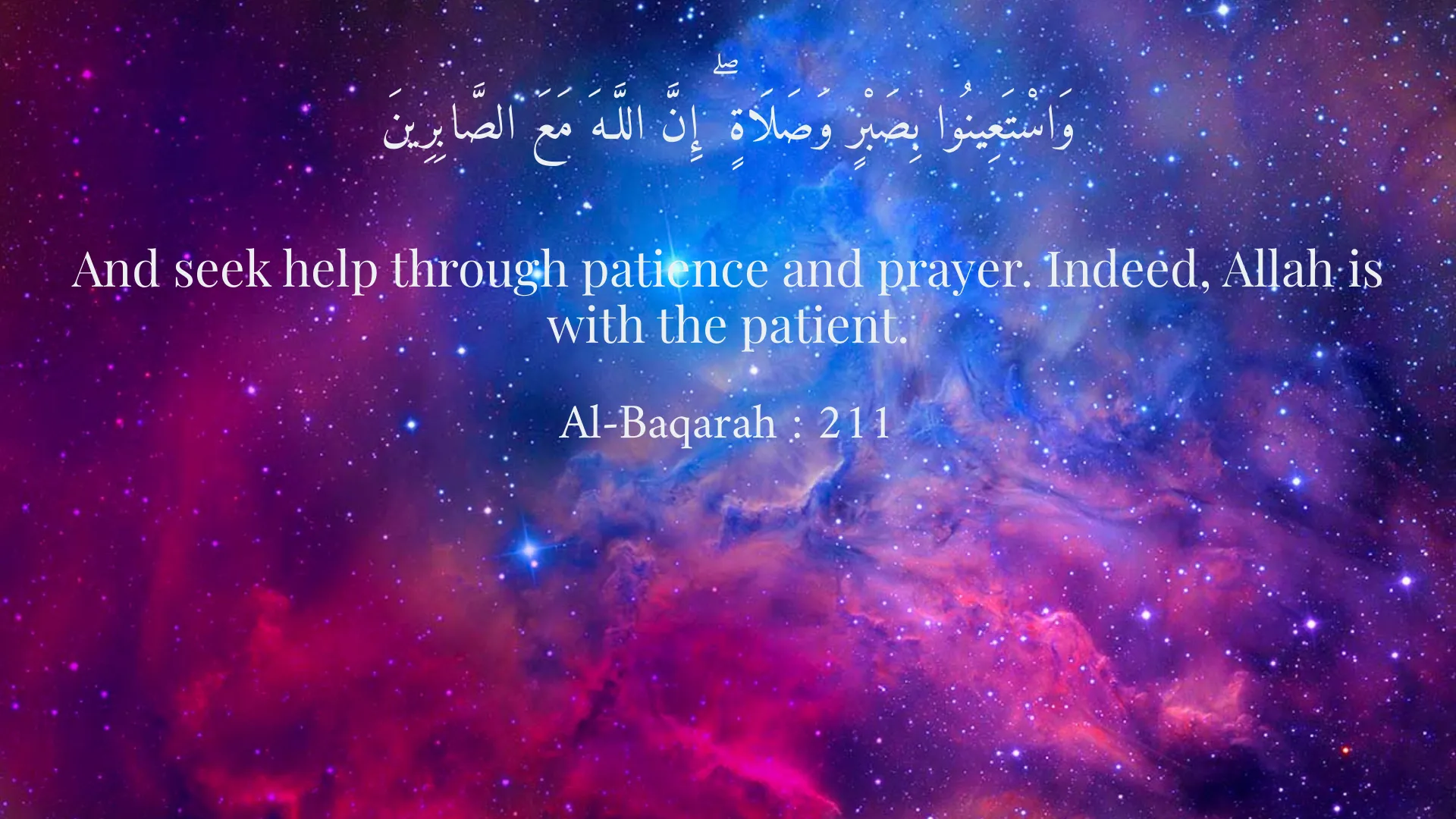
وَاسْتَعِينُوا بِصَبْرٍ وَصَلَاةٍ ۖ إِنَّ اللَّـهَ مَعَ الصَّابِرِينَ
And seek help through patience and prayer. Indeed, Allah is with the patient.
Al-Baqarah : 211
وَلا تَمْشِ فِي الْأَرْضِ مَرَحًا ۖ إِنَّكَ لَن تَخْرِقَ الْأَرْضَ وَلَنْ تَبْلُغَ الْجِبَالَ طُولًا
And do not walk upon the earth arrogantly. Indeed, you will never tear the earth [apart], and you will never be as tall as the mountains.
Luqman : 18
Short Story
One day in the mountains, a scholar was teaching. One of his students arrogantly said, 'I can be your best student!' The scholar smiled and replied, 'If you want to be the best, first you must humble yourself. Learn to regard yourself small before knowledge and God.' The student learned that the truest form of knowledge lies in humility.