Quranic Answer
The Rights of Others in Islam: A Deeper Reflection The concept of the rights of others is not merely a legal construct but a profound moral imperative that permeates social interactions and relationships. It refers to the fundamental rights that exist between individuals, including social, financial, and ethical dimensions. This elaborate interplay of rights and responsibilities is essential for fostering a harmonious society. In Islam, the significance of compensating for the rights of others cannot be overstated, as it is deeply rooted in the faith's traditional teachings. One pivotal source that encapsulates this profound concept is the Holy Quran. One of the most poignant verses that reflect on this subject is found in Surah Al-Ma'idah, verse 8: "O you who have believed, be persistently standing firm in justice, witnesses for Allah..." This verse is a clarion call for justice and fairness in all interactions, including the obligation to compensate others for their rights. The Quran does not merely advocate for justice in theory; it compels believers to incorporate these principles into their daily lives, highlighting the inextricable link between justice and faith. The acknowledgment of the rights of others plays a vital role in developing social cohesiveness and mutual respect. In Islam, every individual has rights over others, thereby establishing a framework for equitable interactions. This notion extends beyond traditional rights associated with property or financial matters; it encapsulates interpersonal relationships characterized by kindness, respect, and empathy. It is this holistic understanding that underlines the importance of good deeds as a paramount means of compensating for the rights of others. Good deeds are a fundamental pillar in Islamic teachings and serve as an effective means of rectifying any infringement upon another's rights. When someone has a right over us—whether due to a mistake, injustice, or negligence—it is incumbent upon us to make amends in a constructive manner. This could involve a sincere apology, an effort to establish peace and friendship, or providing assistance to the individual wronged. Such actions resonate deeply within the Islamic ethos and are considered an integral part of achieving personal and communal harmony. Moreover, the Quran emphasizes the transformative power of good deeds in the context of compensating for wrongful acts. Not only do these actions serve as a remedy for the rights of others, but they also facilitate a closer relationship with Allah. In Surah Az-Zalzalah, verses 7 and 8, the Quran asserts: "So whoever does an atom's weight of good will see it, and whoever does an atom's weight of evil will see it." Such verses take on critical significance as they underscore the weight of each action we take, whether in favor of others or in wrongful treatment, and highlight our accountability on the Day of Judgment. The Day of Judgment, a key component of Islamic belief, serves as a reminder of the ultimate accountability that awaits each individual. Every deed, no matter how small, will be scrutinized, reinforcing the idea that our actions have moral implications that extend far beyond our immediate circumstances. Within this context, compensating for the rights of others becomes a sacred duty, ensuring fairness and justice not just during our earthly lives but also in the afterlife. In understanding the rights of others, we must also consider the broader implications for society as a whole. When individuals actively engage in protecting and compensating for the rights of others, they contribute to a more just and ethical world. Environments laden with injustice breed resentment, strife, and ultimately chaos, while those grounded in respect and acknowledgment of rights lay the foundation for prosperity and peace. However, it is also essential to recognize that compensating for the rights of others encompasses not only direct interactions between individuals. It extends to the collective rights of communities, societies, and nations, advocating for a more equitable distribution of resources and opportunities. Islam encourages social justice movements aimed at correcting systemic injustices and ensuring that the rights of the marginalized and oppressed are honored and upheld. Such an understanding broadens the concept of human rights significantly within an Islamic framework, reinforcing that rights belong not only to individuals but also to the greater community. Combating injustice and advocating for the rights of others can often require immense courage and moral conviction. Believers are urged to stand firm and advocate for justice, even if it places them at odds with prevailing sentiments or reveals uncomfortable truths. This resistance against injustice is a demonstration of one's commitment to the principles of Islam and the realization that true faith is not acquiescence but active engagement in creating a fairer society. In conclusion, the rights of others are intrinsic to the ethical and social fabric as promoted in Islam. Compensating for these rights through good deeds is not merely a transactional process; it is an ongoing commitment to justice, accountability, and personal growth. As believers, we must strive for justice in every interaction, reinforcing the understanding that our actions have profound implications, both on a personal level and for the wider community. The teachings of the Quran serve as a guiding light, urging us to engage in acts of kindness and to honor the rights of others, ultimately leading to a more just and compassionate world. By doing so, we not only fulfill our obligations as individuals but also draw closer to Allah, reaffirming our faith through our actions.
Related Verses
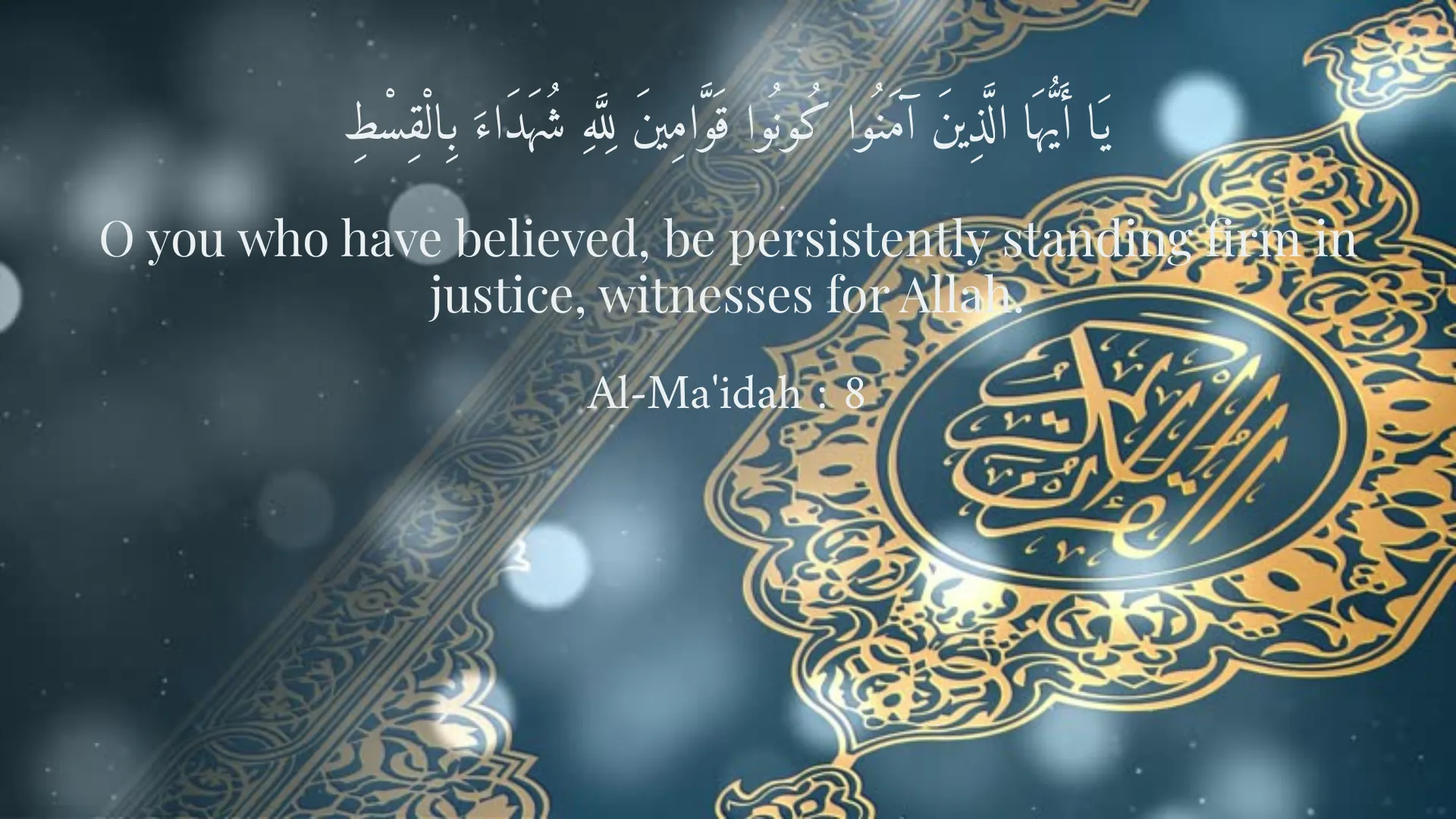
يَا أَيُّهَا الَّذِينَ آمَنُوا كُونُوا قَوَّامِينَ لِلَّهِ شُهَدَاءَ بِالْقِسْطِ
O you who have believed, be persistently standing firm in justice, witnesses for Allah.
Al-Ma'idah : 8
فَمَن يَعْمَل مِثْقالَ ذَرَّةٍ خَيْرًا يَرَهُ
So whoever does an atom's weight of good will see it.
Az-Zalzalah : 7
Short Story
Once upon a time, there was a man named Hasan who was walking through the market, reminiscing about his youthful days when he was keen on friendship and helping others. He decided to visit those who had rights over him, like an elderly neighbor and old friends, to make amends. Hasan helped his neighbor and reconciled with his friends. Day by day, he felt more satisfied and happier, and he started to give more meaning to his life.