Quranic Answer
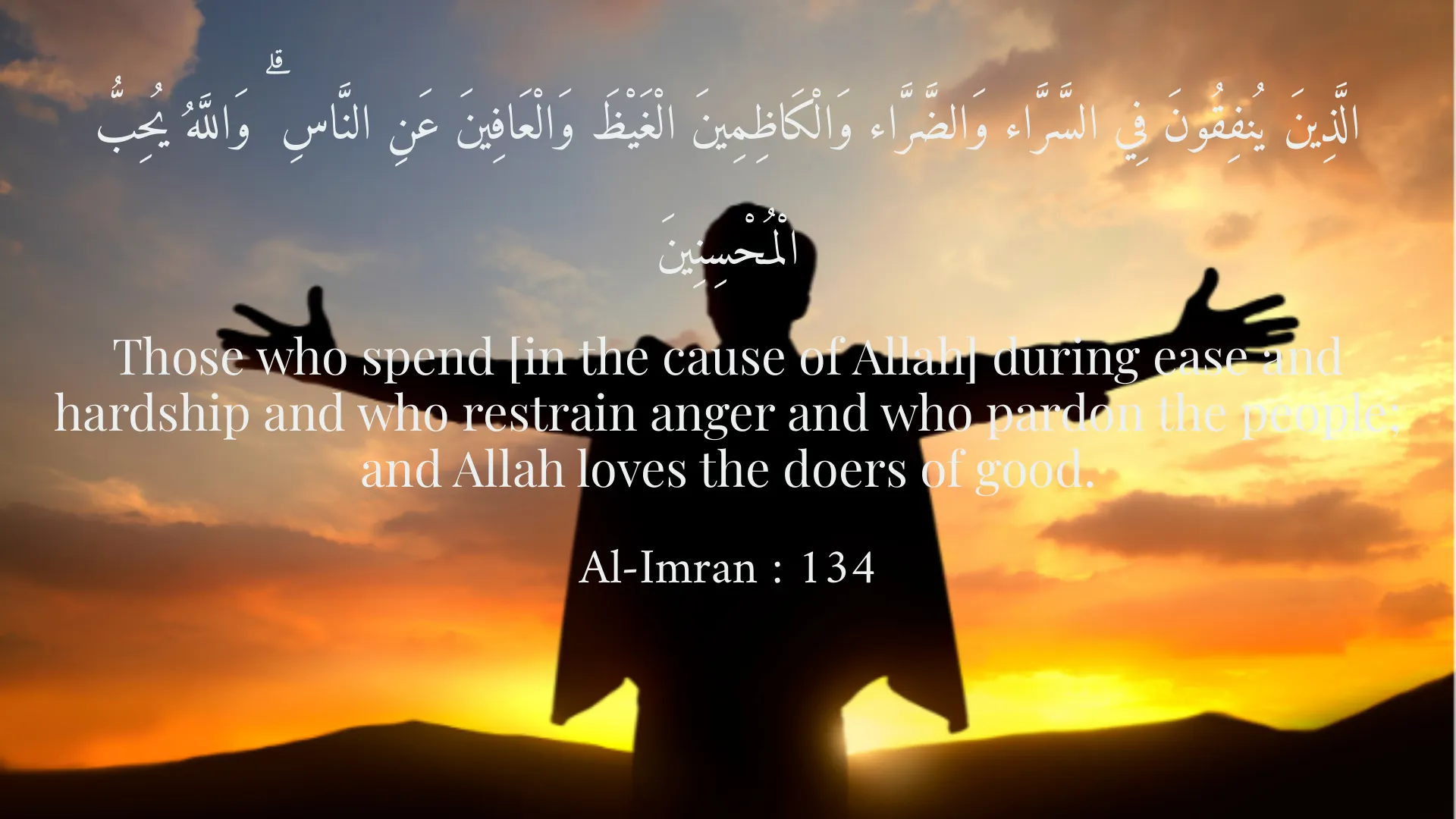
The significance of managing anger is well-documented across various philosophies and religions, with the Holy Quran providing profound insights into this important aspect of human emotion. One of the most striking features of the Quran's teachings is how it empowers individuals to navigate their feelings of anger and respond appropriately, particularly in high-stress situations. In Surah Al-Imran, verse 134, it is emphasized that believers are those who ‘control themselves when angered.’ This highlights the crucial understanding that the emotion of anger can lead to impulsive reactions that might not align with our moral values or intentions. As human beings, we often face challenging situations that trigger our emotions. Anger, while a natural and normal response to perceived injustices or provocations, can lead to destructive outcomes if not managed correctly. The Quran accentuates the necessity for self-control in such moments, suggesting that a moment of pause and reflection can significantly alter our reactions. The ability to respond thoughtfully rather than react impulsively is one of the central tenets of emotional intelligence that the Quran advocates. To engage effectively in controlling anger, it often helps to practice several reflective techniques that are not only spiritual but also practical. One such method involves recalling Quranic verses that promote patience and humility. For instance, contemplating the meaning of anger as an emotion that should be subdued can act as a reminder of the necessary virtues to cultivate. In the verse from Surah Fussilat, verse 34, it states, ‘Repel [evil] by that [good] which is best.’ This powerful line encourages individuals to approach negativity with positivity, reinforcing the idea that kindness and compassion should prevail over rage. The implications of this teaching are manifold; first, it suggests that our response to provocation can dictate the trajectory of our interactions, and second, it insinuates that redeeming a negative situation is possible through conscious efforts to maintain goodness. Moreover, the Quran provides avenues for individuals to express their frustrations in the sanctity of prayer and supplication, demonstrating the importance of turning to spiritual practices during moments of turmoil. Engaging in prayer, particularly when feeling overwhelmed by anger, can facilitate a peaceful mind and soul. The simple act of stepping back to perform ablution (wudu) and pray allows the individual to gather their thoughts and reflect on the challenges they face. What follows is often a clearer perspective about the situation at hand, enabling a stronger emotional response where control reigns supreme. Understanding the benefits of prayer extends beyond a mere routine; it establishes a deeper connection with Allah that nurtures one's spiritual awareness and encourages the practice of forgiveness. Emotionally, individuals who cultivate a regular prayer practice often report greater resilience to anger and are generally more equipped to handle life's adversities. In addition to devotional practices, it is essential to recognize the psychological underpinnings of managing anger. Cognitive Behavioral Therapy (CBT) techniques suggest that contemplation and acknowledgment of one’s emotional triggers are key components to achieving emotional regulation. In synchrony with Quranic teachings, this psychological strategy underscores the importance of self-awareness and the need to anticipate future moments of anger to plan effective responses accordingly. By actively engaging in self-analysis, one can better prepare themselves for the inevitable conflicts of day-to-day life. Furthermore, to broaden this discourse, one can explore the implications of social and communal support in controlling anger. Engaging with fellow believers can create a network of accountability where individuals feel more encouraged to practice patience and kindness. Sharing experiences and discussing strategies to manage emotions can strengthen not only one's faith but also foster a community that upholds the values of compassion and understanding. Collective prayer and reflection can serve as powerful tools to reinforce the teachings found in the Quran and encourage positive behaviors, manifesting a higher ethical standard that benefits all members of a community. Ultimately, drawing on the Quranic guidance around anger management reveals a holistic approach to emotional regulation that incorporates faith, self-awareness, and community support. Individuals who actively seek to embody these teachings often find themselves not only experiencing personal growth but also inspiring those around them to foster an environment where anger is controlled and kindness prevails. In conclusion, the Holy Quran provides clear and pertinent advice on controlling anger and encourages individuals to adopt behaviors that support peace and understanding. The practices of reflection through Quranic verses, engaging in prayer, and fostering a supportive community are essential steps in this vital emotional journey. By embracing these teachings, believers can cultivate a sense of inner peace, leading to healthier interactions and ultimately achieving a more fulfilling and righteous life.
Related Verses
الَّذِينَ يُنفِقُونَ فِي السَّرَّاء وَالضَّرَّاء وَالْكَاظِمِينَ الْغَيْظَ وَالْعَافِينَ عَنِ النَّاسِ ۗ وَاللَّهُ يُحِبُّ الْمُحْسِنِينَ
Those who spend [in the cause of Allah] during ease and hardship and who restrain anger and who pardon the people; and Allah loves the doers of good.
Al-Imran : 134
وَلَا تَسْتَوِي الْحَسَنَةُ وَالسَّيِّئَةُ ۚ ادْفَعْ بِالَّتِي هِيَ أَحْسَنُ ۖ فَإِذَا الَّذِي بَيْنَكَ وَبَيْنَهُ عَدَاوَةٌ كَأَنَّهُ وَلِيٌّ حَمِيمٌ
And not equal are the good deed and the bad. Repel [evil] by that [good] which is best; and thereupon the one whom between you and him is enmity will become as though he was a devoted friend.
Fussilat : 34
Short Story
One day, Ali was at a family gathering when suddenly a friend made a silly joke that upset him. He felt extremely angry and was about to react, but then he recalled verse 134 of Surah Al-Imran. He decided to control his anger and just smiled. This not only calmed him down, but also made his friend realize his mistake and apologize. Ali learned that controlling anger can improve his relationships.