Quranic Answer
Living with ungrateful people can be particularly challenging, presenting a set of complexities that many of us encounter in various aspects of our lives. From personal relationships to professional environments, the presence of ingrates can lead to feelings of frustration, fatigue, and even a sense of failure. However, it is essential to understand that navigating such toxic dynamics is not just about managing our internal reactions; it also involves our approach and attitudes towards such individuals. The Holy Quran provides us with profound insights on how to handle ungratefulness, encouraging us to cultivate patience and resilience in the face of adversity. One of the significant teachings of the Quran regarding handling ingratitude is found in Surah Al-Imran (3:186), which states: "Indeed, you will be tested in your possessions and in your own selves, and you will hear from those who were given the Scripture before you and from those who associate others with Allah much abuse. But if you remain patient and fear Allah - indeed, that is of the matters [worthy] of determination." This verse serves as a powerful reminder that life is laden with tests and challenges, and ingratitude is one such test. The essence of this verse is profound—acknowledging that we will encounter criticism and abuse from various quarters, including those who should theoretically express gratitude, is a reality of existence. Yet, rather than allowing such negative interactions to diminish our spirits, we must focus on remaining steadfast and maintaining our faith. This resilience equips us to endure difficulties with dignity and grace, thereby not allowing the ungratefulness of others to define our experiences or worth. In learning to ignore ungrateful behavior, we showcase our strength as human beings. It demonstrates a level of emotional maturity where we can evaluate our values and principles without being swayed by those who fail to reciprocate kindness. This practice does not imply that we should become indifferent to others' feelings or behaviors; rather, it allows us to step back, understand the situation, and respond with a strong heart and clear mind. At the same time, it encourages us to adhere to a path filled with kindness and compassion, regardless of the actions of those around us. Thus, it is essential to create a mindset of compassion towards everyone we engage with. Treating others with kindness and respect not only enhances our personal and social relationships but can also inspire change in others, including those who may act ingratitude. When we approach situations with love and understanding, even the most ungrateful individuals can sometimes see the error of their ways and change their behavior. This process is not instantaneous; often, it requires persistence and dedication to our principles. In essence, our ability to maintain an unwavering spirit could make a significant impact on our surroundings. Moreover, the Quran emphasizes that all individuals maintain their responsibilities and relationships with a sense of compassion. In Surah Al-Baqarah, verse 177, Allah delineates a comprehensive concept of righteousness, extending beyond mere observance of laws; it encompasses kindness, charity, and nurturing healthy relationships with others. It asserts that true believers are recognized not just by their worship but also by their treatment of others. When we embody this righteous path, we position ourselves within the divine favor of Allah, liable to gain extensive rewards in both this life and the hereafter. In practical terms, this means being mindful of the behaviors and actions we model for others. Engaging with ungrateful people provides us with unique opportunities to showcase the power of kindness, patience, and love. It encourages us to establish boundaries when necessary, but it does not obligate us to retaliate with hostility or similar ingratitude. Every interaction can pivot from negative to productive simply through the lens of positive engagement and understanding. By focusing on the long-term results and impacts of kindness, we can transform toxic dynamics into opportunities for growth and healing. Moreover, the relationships we cultivate can flourish over time when approached with an open heart. Gradually, those who observe consistent kindness may find their perspectives shifting. They may either become grateful or, more importantly, shift their behavior towards graciousness. Indeed, this transformational approach reflects the teachings of the Quran, which also reinforces the concept of forgiveness and understanding as paramount virtues. In conclusion, living with ungrateful individuals is undoubtedly a challenge, yet it offers potent lessons on resilience, compassion, and perseverance. The Holy Quran provides timeless wisdom for navigating these complexities, urging us to remain steadfast in our principles and approach interactions with love and kindness. By doing so, we not only uplift ourselves but also contribute positively to our surroundings. Ultimately, our focus should be on nurturing our spirits and fostering relationships based on mutual respect. The journey may be long, but the rewards, as promised in the divine words, are well worth the effort.
Related Verses
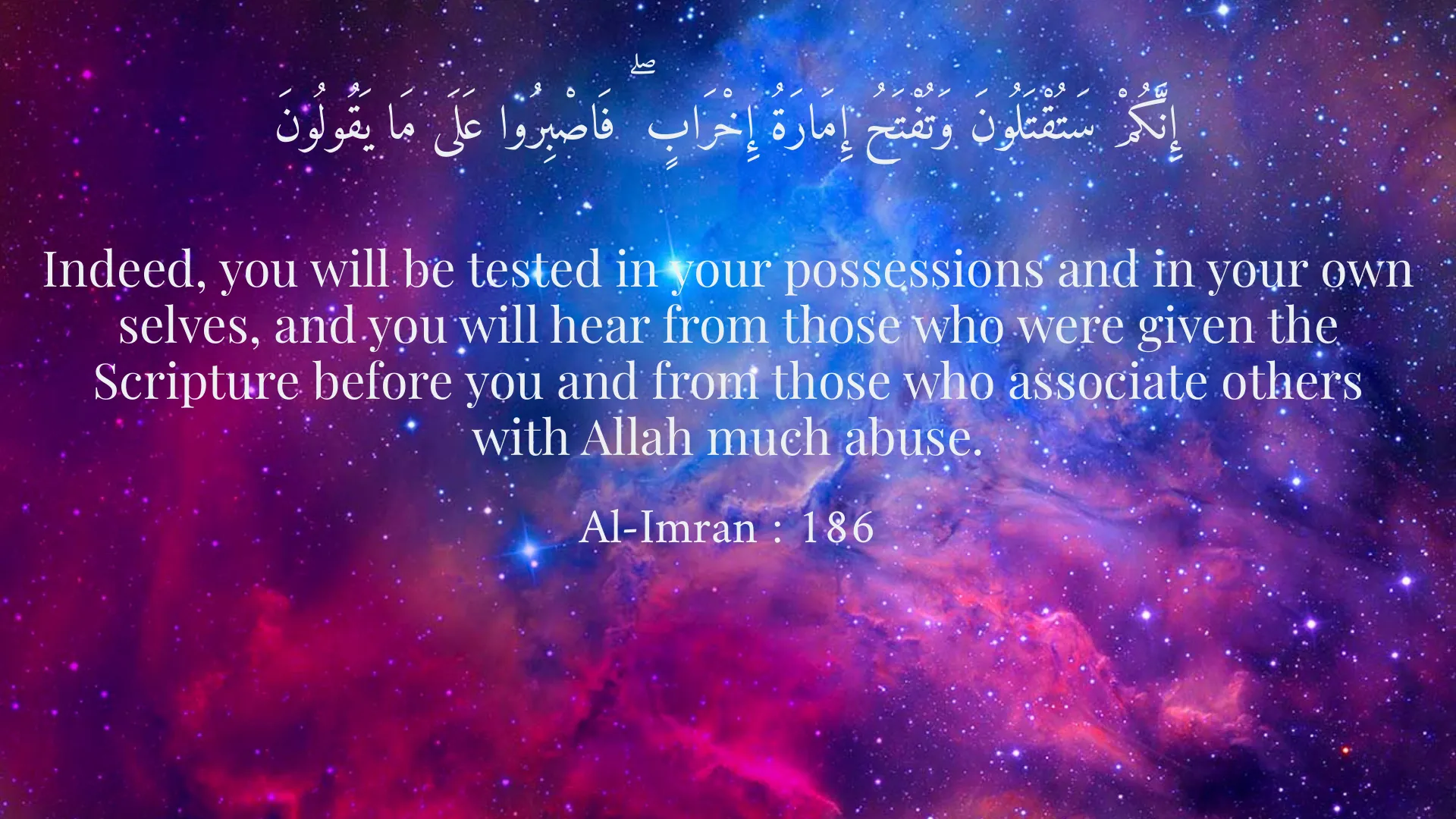
إِنَّكُمْ سَتُقْتَلُونَ وَتُفْتَحُ إِمَارَةُ إِخْرَابٍ ۖ فَاصْبِرُوا عَلَى مَا يَقُولُونَ
Indeed, you will be tested in your possessions and in your own selves, and you will hear from those who were given the Scripture before you and from those who associate others with Allah much abuse.
Al-Imran : 186
وَمِنَ النَّاسِ مَن يَتَّخِذُ مِن دُونِ اللَّهِ أَندَادًا يُحِبُّونَهُمْ كَحُبِّ اللَّهِ ۚ وَالَّذِينَ آمَنُوا أَشَدُّ حُبًّا لِلَّهِ ۚ وَلَوْ يَرَى الَّذِينَ ظَلَمُوا إِذْ يَرَوْنَ الْعَذَابَ أَنَّ الْقُوَّةَ لِلَّهِ جَمِيعًا وَأَنَّ اللَّهَ شَدِيدُ الْعَذَابِ
And of the people are some who take other than Allah as equals [to Him]. They love them as they should love Allah. But those who believe are stronger in love for Allah.
Al-Baqarah : 165
مَا يَفْعَلُ اللّٰهُ بِعَذَابِكُمْ إِن شَكَرْتُمْ وَآمَنتُمْ ۚ وَكَانَ اللّٰهُ شَاكِرًا عَلِيمًا
What would Allah do with your punishment if you are grateful and believe? And ever is Allah Appreciative and Knowing.
An-Nisa : 147
Short Story
One day, Adel was in the market and noticed that some of his friends were ignoring him. He felt hurt but recalled the verse from the Quran and decided to show them kindness and act patiently. Over time, his friends came back to him and apologized. This experience taught Adel that love and patience can be the best approaches in dealing with ungrateful individuals.