Quranic Answer
The Quran stands as a guiding light for millions around the globe, offering wisdom and insights on myriad aspects of life. Among the fundamental teachings conveyed are those related to handling insults and navigating through the negativity that others may project onto us. In a world often marked by harsh criticisms, misunderstandings, and human frailties, these divine verses act as meaningful tools to foster resilience, patience, and love in our interactions. One of the pivotal solutions provided in the Quran is the principle of patience and toleration. This is profound and encapsulated in Surah Al-Imran, verse 186, where Allah conveys: "You are only a warner, and every people has a guide." This verse serves as a reminder that our primary role is not to confront or judge others for their actions, but rather to guide them towards righteousness. This perspective emphasizes the importance of acceptance and understanding; we must recognize that each individual is on their unique journey, and our responsibility is merely to present the truth, leaving their choices to them. The emphasis on patience is further enriched in Surah Fussilat, verse 34, which illuminates how we should respond to negativity around us. It states: "And not equal are the good deed and the bad. Repel by that [deed] which is best…" The profound wisdom in this verse lays the foundation for how we conduct ourselves in the face of adversity. Responding to ill-treatment with kindness and positive actions not only reflects our character but also has the potential to transform the unexpected interactions we face. This teaching encourages us to rise above the negativity of others and to respond with grace, demonstrating that a good deed can outshine even the gravest wrong. Moreover, consistent with the Quran’s ethos of wisdom, Surah Al-An’am, verse 68 provides guidance on how to deal with mockery and insults directly: "And when you see those who engage in falsehood regarding Our verses, turn away from them until they engage in another topic…" By adopting this approach, we are urged to distance ourselves from those who choose to engage in negativity, providing us with the strength to avoid unnecessary conflict. Choosing to walk away rather than to confront a situation head-on can lead us to a path free from bitterness and resentment. The practice of disengagement isn’t merely a personal preference but infuses our interactions with an aura of respect and serenity. In difficult situations, where harsh words or sentiments are exchanged, the decision to not engage aggressively signifies an elevated character. By maintaining calmness and exercising restraint, we are not only shielding ourselves from negativity but also setting a standard for how one should ideally behave. These divine teachings serve a dual purpose. Firstly, they act as a shield for our mental and emotional well-being, protecting us from the onslaught of negativity. Secondly, they encapsulate principles that resonate deeply in the societal framework, promoting a culture of kindness over conflict, understanding over judgment, and love over discord. By practicing these teachings, we pave the way for a respectful discourse that can lead to significant positive changes in our communities. The wider implications of this attitude extend beyond personal relationships, influencing our societal interactions as well. When faced with conflicts at work, in social circles, or even on wider platforms such as social media, leaning towards a response that reflects patience and kindness helps cultivate an atmosphere of civility and harmony. In a world where incivility and rudeness seem to permeate, being a beacon of good conduct can inspire others to follow suit, gradually shifting the cultural landscape towards one marked by respect and empathy. Furthermore, the teachings of the Quran regarding interactions with others are not merely prescribed ethical directives; they come with profound spiritual benefits. The serenity that emerges from adhering to these principles eventually leads to a life adorned with dignity and peace. In the hereafter, we can anticipate being honored for our efforts to respond with grace in the face of adversity. Ultimately, the labels and insults we endure in this life are transient; however, the kindness we extend to others and the patience we exhibit leave a timeless legacy. In conclusion, the Quran provides us with a wealth of guidance for dealing with insults and negativity. The core principles of patience, positive action, and careful disengagement are designations for leading a life of respect and peace. By embodying these values, we not only nurture our own emotional and spiritual well-being but can also significantly impact those around us. As we strive to respond to negativity with kindness, we contribute to an enriched, harmonious environment that benefits everyone. Let us remember that our responses define us, and through our actions, we have the power to transform our world into a reflection of the peace and respect taught in the Quran.
Related Verses
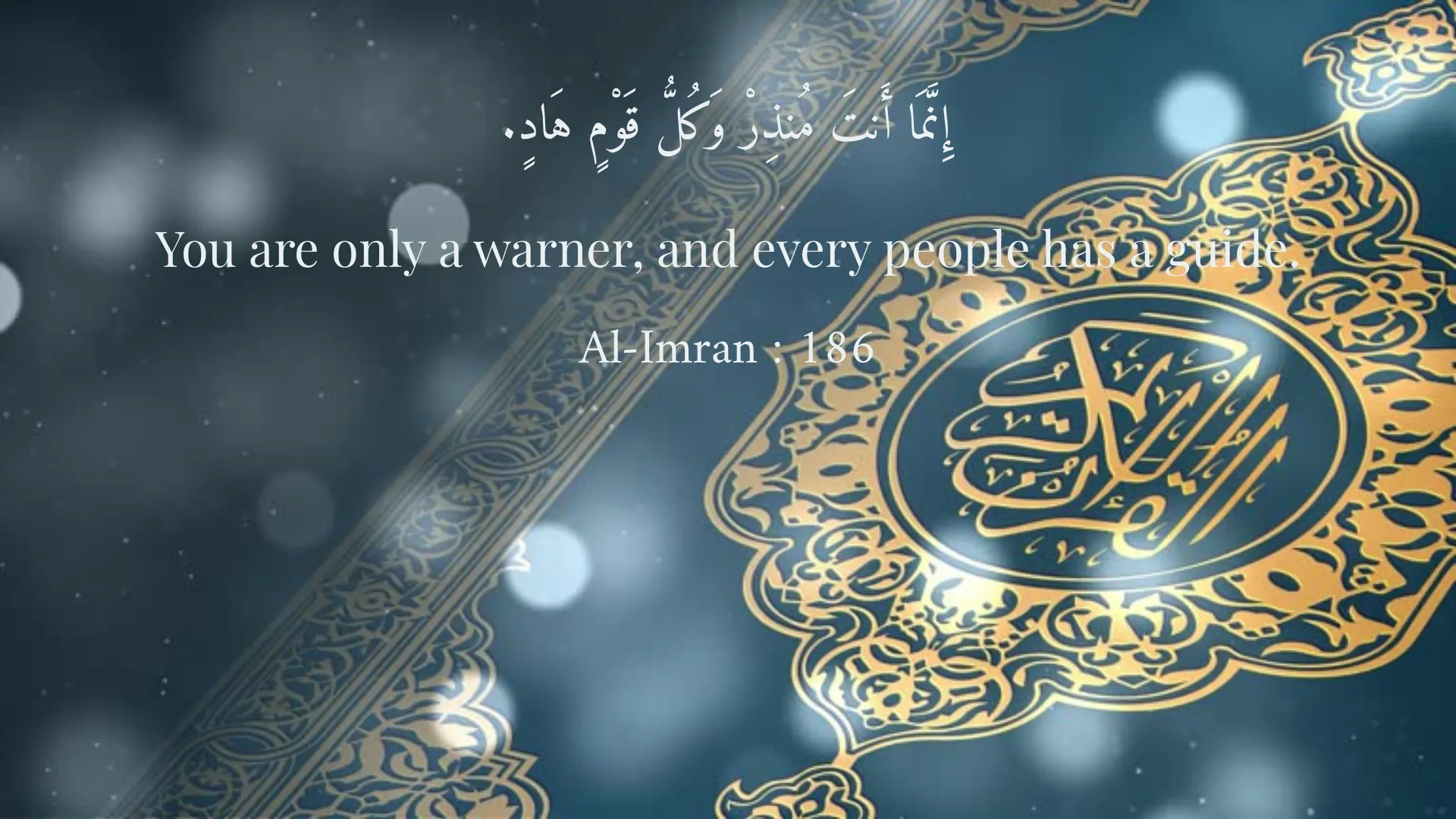
إِنَّمَا أَنتَ مُنذِرْ وَكُلُّ قَوْمٍ هَادٍ.
You are only a warner, and every people has a guide.
Al-Imran : 186
وَلَا تَسْتَوِي الْحَسَنَةُ وَلَا السَّيِّئَةُ، ادْفَعْ بِالَّتِي هِيَ أَحْسَنُ...
And not equal are the good deed and the bad. Repel by that [deed] which is best...
Fussilat : 34
وَإِذَا رَأَيْتَ الَّذِينَ يَخُوضُونَ فِي آيَاتِنَا فَأَعْرِضْ عَنْهُمْ حَتَّى يَخُوضُوا فِي حَدِيثٍ غَيْرِهِ...
And when you see those who engage in falsehood regarding Our verses, turn away from them until they engage in another topic...
Al-An'am : 68
Short Story
One day, a man went to the market and felt very upset when someone insulted him. He remembered the Quranic verses encouraging patience and forbearance. Eventually, he found peace of mind and decided to treat that person kindly to overcome his hurt feelings. From that day forward, he learned to be kind towards others.