Quranic Answer
The Temptation of Revenge: Navigating Human Emotions through Forgiveness The temptation of revenge is an emotional response that has plagued humanity throughout history. It emerges in the wake of oppression, injustice, or personal grievances. This primal instinct, while understandable, often leads to a cycle of resentment and violence that can consume individuals and communities alike. In this context, the Holy Quran provides profound insights into the dynamics of forgiveness and the importance of avoiding revenge. Through its teachings, we are encouraged not only to resist the urge to retaliate but also to adopt a mindset rooted in compassion and self-restraint. Fundamentally, the act of seeking revenge can be seen as a natural human weakness. When we suffer an injustice, the immediate reaction is often anger and a desire to restore balance by inflicting pain on those who have wronged us. This impulse can become intoxicating, as revenge appears to provide a sense of empowerment or justice. However, overlooking the deeper consequences of revenge can lead to spiritual decay and further conflict. One of the pivotal verses addressing this struggle in the Holy Quran is found in Surah Al-Imran, verse 134, which states: "Who spend in the cause of Allah during ease and hardship and who restrain anger and who pardon the people. And Allah loves the doers of good." This verse serves as a powerful reminder that self-control is necessary, especially in times of distress. The act of restraining our anger demonstrates strength and wisdom—qualities that are far more commendable than the fleeting satisfaction that comes from revenge. Moreover, the Quran highlights that forgiveness is not merely an act of grace but a reflection of faith. When we choose to forgive rather than retaliate, we exhibit a higher moral standard and an understanding of our shared humanity. The emphasis on forgiving others underlines the importance of viewing situations from multiple perspectives, acknowledging that everyone is fallible and deserving of compassion. By embodying these qualities, we align ourselves with the 'doers of good,' who are loved by Allah. Further reinforcing this theme, Surah Al-Mu’minun, verse 96 asserts: "Repel by that which is best." This verse encapsulates the idea that our response to wrongdoing should be grounded in positive actions rather than anger-fueled vengeance. It encourages individuals to rise above their immediate impulses and approach conflicts with empathy and consideration. Instead of seeking revenge, we are invited to respond to hostility with kindness—a pathway that has the potential to heal rather than harm. Navigating the desire for revenge requires profound emotional intelligence and self-reflection. In moments of hurt, maintaining a close relationship with Allah can provide much-needed solace and clarity. Turning to prayer and spiritual contemplation allows one to process their feelings and seek guidance on the appropriate course of action. Strengthening our faith can serve as a cleansing balm for our wounded spirit, enabling us to forgive rather than retaliate. Furthermore, understanding the root causes of our temptation for revenge can illuminate the potential harm it brings, not only to others but also to ourselves. Visualization plays a crucial role in this process; by consciously reflecting on how seeking revenge might affect our lives and the lives of those around us, we can start to prioritize forgiveness as a healthier alternative. Engaging with this mental exercise allows us to recognize the burdens we would carry if we chose to retaliate, transforming our mindset and leading us down a more productive path. Revenge may present an immediate sense of relief, yet it often births prolonged suffering. Each cycle of vengeance can escalate conflicts, straining relationships and causing lasting damage that far outweighs the original wrongdoing. This insight underscores the importance of exercising patience and grace as we navigate societal injustices or personal grievances. By seeking resolution through forgiveness, we can break the cycle of retaliatory action and cultivate a more harmonious environment. Moreover, embracing forgiveness contributes significantly to our spiritual well-being. Holding onto anger and resentment can be toxic, inviting negativity into our lives and leading to mental and emotional turmoil. In contrast, forgiving others liberates us, freeing our hearts and minds from burdens that hinder our growth. It fosters resilience, helping to cultivate a positive outlook despite life’s challenges. The teachings of the Holy Quran guide us toward this transformative journey. By investing in our emotional growth and prioritizing forgiveness over revenge, we embody the principles outlined in these sacred verses. When faced with adversity, reflecting on the compassion of Allah and the grace shown to us can inspire us to extend that grace to others, thereby reinforcing our bonds with our fellow human beings. In conclusion, the temptation of revenge is a universal struggle, but through the lens of the Holy Quran, we are granted guidance on how to overcome it. By exercising self-control, prioritizing forgiveness, and responding with kindness, we align ourselves with divine principles and become agents of peace rather than discord. The road to forgiveness may not be easy, but with perseverance and faith, it is indeed a path worth taking. Through our efforts to resist vengeance, we can help to cultivate a more compassionate world, one that promotes understanding, healing, and mutual respect.
Related Verses
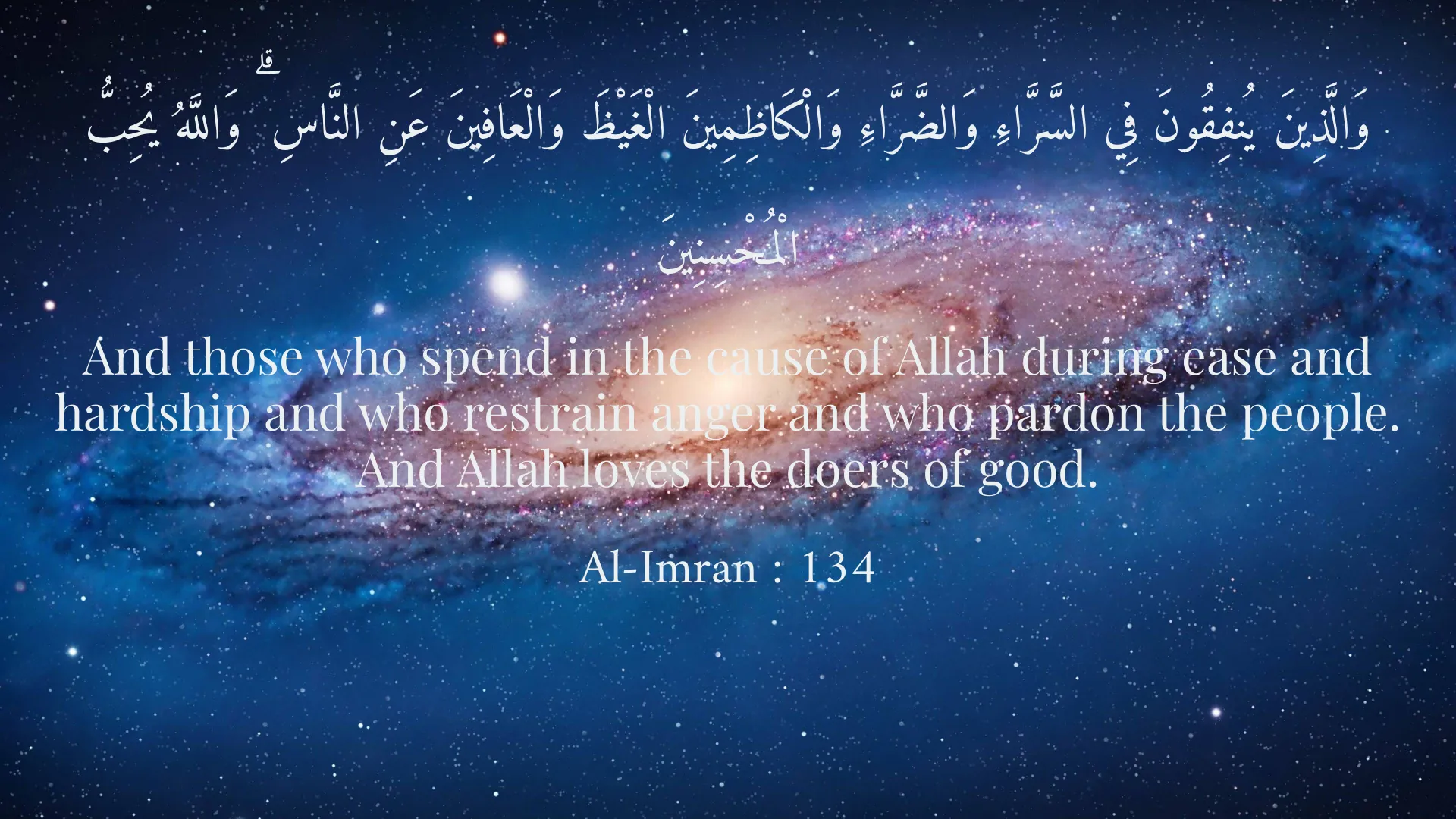
وَالَّذِينَ يُنفِقُونَ فِي السَّرَّاءِ وَالضَّرَّاءِ وَالْكَاظِمِينَ الْغَيْظَ وَالْعَافِينَ عَنِ النَّاسِ ۗ وَاللَّهُ يُحِبُّ الْمُحْسِنِينَ
And those who spend in the cause of Allah during ease and hardship and who restrain anger and who pardon the people. And Allah loves the doers of good.
Al-Imran : 134
فَادْفَعْ بِالَّتِي هِيَ أَحْسَنُ السَّيِّئَةَ ۖ نَحْنُ أَعْلَمُ بِمَا يَصِفُونَ
Repel by that which is best. We are most knowing of what they describe.
Al-Mu’minun : 96
Short Story
Once upon a time, a man was confiding in his friend, feeling that someone had wronged him. His friend urged him to think of forgiveness instead of revenge. He recalled the verses of the Quran and decided to control his feelings, creating an ocean of tranquility instead of a storm of anger in his heart. As he began to let go of grudges, he felt a sense of freedom and peace.