Quranic Answer
The distinction between honesty and naivety may not be explicitly mentioned in the Quran, yet through a profound understanding of Islamic principles, the nuances between these two concepts can be articulated. Honesty, in its essence, transcends mere truth-telling; it embodies a commitment to reality and integrity, forming the very backbone of moral character in Islam. Conversely, naivety suggests a lack of understanding, awareness, or discernment—a propensity to extend trust where caution may be warranted. This article aims to delve deep into these two significant attributes, shedding light on their relevance within the framework of Islamic teachings. ### Honesty in Islamic Teachings Honesty is intricately woven into the fabric of Islamic teachings. The Quran elucidates the importance of being truthful in one's words and deeds, establishing honesty as a core characteristic of the faithful believer. As underscored in Surah At-Tawbah, verse 119, Allah invites believers to uphold honesty in their actions, clarifying that such a trait is synonymous with righteousness. This verse presents a clear directive for Muslims to engage in honesty as it fortifies the moral fabric of both individual and collective Islamic society. Furthermore, honesty fosters trust—an essential element in all forms of relationships. In interpersonal dynamics, applying honesty cultivates a sense of security among individuals, whether in familial, social, or professional settings. The Quran provides a comprehensive framework within which honesty should be practiced. For instance, in Surah Al-Mumtahanah, verse 12, Allah commands believers to be honest when taking oaths, reaffirming that fulfilling one’s word is a significant aspect of faith. Through these teachings, honesty becomes more than just a constructive trait; it transforms into an obligation that emerges from sincere belief in God. Moreover, honesty is mirrored in the life of Prophet Muhammad (peace be upon him), who was regarded as "Al-Amin" or "the trustworthy." His commitment to truthfulness earned him respect from both followers and adversaries alike. The Prophet's example underscores the value of honesty as a human trait that connects individuals with their Creator while reaffirming their relationships with others. ### The Consequences of Naivety On the contrary, naivety can usher individuals into a realm laden with errors and emotional turmoil. It contributes to misguided judgments and poor decisions, frequently leading to negative outcomes in one's personal and communal life. Within Islamic discourse, naivety can be seen as a detachment from the reality of human nature, which is often flawed and imperfect. This unawareness can ripple through various facets of an individual's life, breeding disappointment and hurt. In Surah Al-Anfal, verse 27, Allah issues a warning to humanity about the danger of breaking trust and behaving recklessly. This verse indicates that a lack of discernment or naive behavior can lead to the breaking of covenants—either with God or fellow human beings. The Quran emphasizes the need for vigilance; thus, while believers should maintain a disposition of honesty, they must also guard against the pitfalls of naivety. It is essential to navigate relationships with a balance between openness and discernment. ### The Need to Distinguish Between Honesty and Naivety Given the significance of honesty in Islam and the dangers posed by naivety, it is crucial to comprehend how to delineate between the two. Honesty is an attribute characterized by clarity, responsibility, and integrity, whereas naivety often signifies a lack of awareness that can lead to harmful trust in others. Practicing honesty requires individuals to assess situations critically, fostering understanding, insight, and sound judgment. For instance, in socio-economic contexts, naivety can cause individuals to be manipulated, misled, or exploited. An honest person will scrutinize offers, evaluate intentions, and recognize that not everyone has their best interests at heart. The Quran empowers believers to be vigilant and discerning rather than blindly trusting others. Being aware of the potential for underlying motives is a vital aspect of a faithful heart—one that practices honesty while understanding the realities of human interaction. ### Cultivating Awareness and Intelligence in Relationships In relationships—be they romantic, platonic, or professional—honesty intertwined with intelligence and insight can promote healthier and more meaningful connections. Practicing honesty while being cognizant of the personalities involved serves to enhance both mutual respect and understanding. Recognizing how to engage honestly while avoiding naivety is fundamental in sustaining trust and integrity over the long term. In addition, the concept of developing emotional intelligence plays a pivotal role in navigating relationships effectively. By understanding not only one’s own emotions but also those of others, a person can approach interactions with prudence and astuteness. Emotional intelligence empowers individual judgment and facilitates the ability to differentiate between sincerity and deceit. Thus, honesty coupled with emotional intelligence emerges as the optimal approach in safeguarding oneself while nurturing positive relationships. ### Conclusion Ultimately, distinguishing between honesty and naivety is imperative for any believer, transcending mere moral teachings to become practically essential in everyday life. Life is replete with opportunities for both honesty and the potential for naivety, yet how one navigates these waters can determine their spiritual journey and interpersonal success. Islam lays out clear expectations for the faithful in the Quran, promoting honesty while simultaneously encouraging discernment and awareness to combat naivety. As Muslims seek to embrace these principles, they can foster stronger relationships not only with each other but also with Allah, thus reinforcing their commitment to living an honest and fulfilling life. In the fabric of faith, honesty should be the thread that weaves humanity together, while naivety, if left unexamined, can unravel these very connections, leading to disillusionment and sadness. As believers, it is our duty to navigate these complexities with awareness, resilience, and above all, a steadfast commitment to honesty.
Related Verses
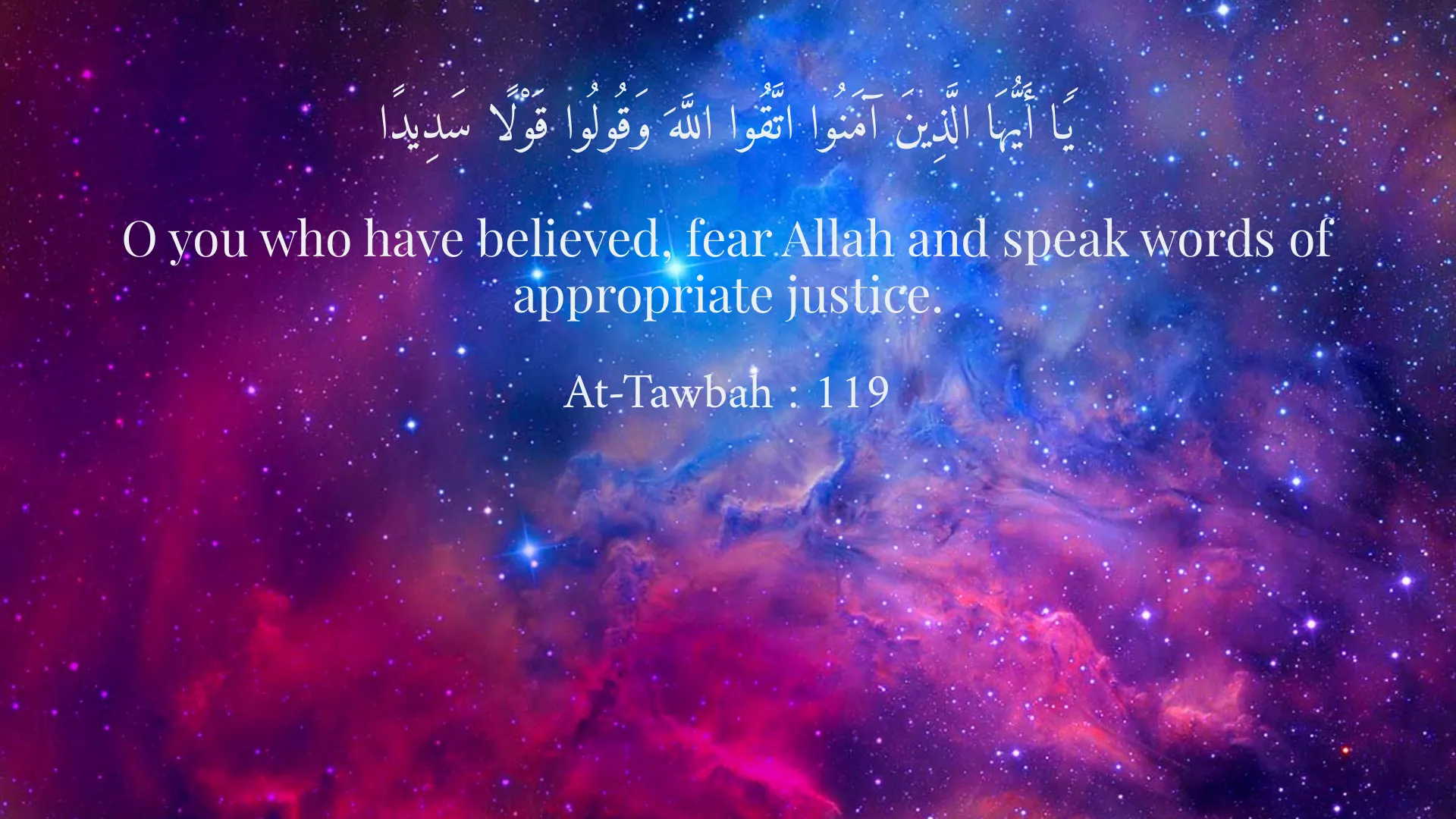
يََا أَيُّهَا الَّذِينَ آمَنُوا اتَّقُوا اللَّهَ وَقُولُوا قَوْلًا سَدِيدًا
O you who have believed, fear Allah and speak words of appropriate justice.
At-Tawbah : 119
يَا أَيُّهَا الَّذِينَ آمَنُوا لَا تَخُونُوا اللَّهَ وَالرَّسُولَ وَتَخُونُوا أَمَانَاتِكُمْ وَأَنْتُمْ تَعْلَمُونَ
O you who have believed, do not betray Allah and the Messenger or betray your trusts while you know [the consequence].
Al-Anfal : 27
Short Story
One day, two friends named Hasan and Hossein decided to go shopping in the market. Hasan always trusted others too much and easily accepted anyone. Whereas Hossein always tried to act cautiously and paid close attention to the words and actions of others. When Hasan went to a shop and bought a counterfeit product, he didn't realize it. However, Hossein, with careful observation, managed to get the original product. After this incident, Hasan understood that honesty should be accompanied by awareness, and he needed to be more careful in his choices.