Quranic Answer
Pride and self-esteem are two distinct yet interrelated concepts that influence an individual's thoughts, behavior, and interactions with others. While both pride and self-esteem can shape how we perceive ourselves and relate to those around us, they differ significantly in their foundations and implications. At their core, these concepts delve into the human condition, the intricate relationship with self-worth, and the importance of humility and respect in a well-rounded personality. To navigate these intricacies, referring to timeless text such as the Quran can provide profound insights into the values associated with pride and self-esteem. Defining Pride and Self-Esteem Pride is often defined as a sense of superiority or an inflated sense of oneself in relation to others. It can manifest as arrogance, a belief that one is better than those around them, and it often leads to a sense of entitlement. Pride, in its negative form, creates barriers and fosters disconnection between individuals. When a person operates from a place of pride, they may struggle to empathize with others, leading to interpersonal conflicts and social alienation. In contrast, self-esteem refers to an individual's overall sense of self-worth and personal value. It is a healthier form of self-regard that enables individuals to recognize their own worth without diminishing others. Self-esteem is not contingent upon comparison with others; rather, it is a reflection of inner understanding and acceptance. When a person possesses genuine self-esteem, they can honor their strengths while also acknowledging their flaws, contributing to a more balanced and realistic self-image. The Quranic Perspective on Pride and Self-Esteem The Quran, the holy book of Islam, provides valuable lessons and warnings regarding pride and offers guidance on cultivating self-esteem. In Surah Al-Baqarah, verse 206, Allah warns against the dangers of pride, describing those who deviate into disbelief and arrogance. The verse highlights how pride can lead people away from the truth and adherence to faith. This serves as a reminder to individuals to remain humble and aware of their limitations, emphasizing that blind pride can obscure one's moral compass. "And when it is said to him, 'Fear Allah,' he is seized by pride in sin. So Hell is sufficient for him, and surely it is an evil resting place" (Quran 2:206). This particular verse illustrates how pride not only alienates individuals from others but can also set them on a destructive path where they neglect their spiritual responsibilities and ethical behaviors. Self-Esteem in Islamic Teachings On the other hand, the Quran emphasizes the importance of self-esteem established upon moral values. In Surah An-Nisa, verse 36, Muslims are instructed to treat others with dignity, respect, and equality. This foundational teaching underlines that every individual is deserving of respect and that our sense of self-worth should not make us look down on others or create a hierarchy among human beings. "And serve Allah and associate nothing with Him, and to parents, do good, and to relatives, orphans, the needy, the near neighbor, the neighbor farther away, the companion at your side, and the companion along the way, and those whom your right hands possess. Indeed, Allah does not like those who are self-deluding and boastful" (Quran 4:36). By approaching others with respect and humility, individuals can solidify their self-esteem while fostering healthier relationships within their communities. In this way, self-esteem reinforces social connections, builds trust, and creates an environment that is conducive to mutual respect and understanding. The Relationship Between Self-Esteem and Social Interactions A person with genuine self-esteem tends to exhibit positive behaviors that enhance social interactions. They are more likely to cooperate with others, listen empathetically, and react to conflicts with patience and understanding. Instead of feeling superior to others, someone with authentic self-esteem can empathize, share, and support those around them. Moreover, self-esteem encourages an individual to stand firm in their values and beliefs, without needing to feel superior to anyone else. They can enjoy their achievements and strengths without belittling the accomplishments of others. This healthy form of self-esteem fosters open-mindedness and teamwork, creating an environment that nurtures collaboration rather than competition. Avoiding the Trap of Pride The constant interplay between pride and self-esteem calls for vigilance. It is easy to slip into the trap of pride, especially in competitive environments where achievements are emphasized. Maintaining a firm grounding in humility can protect against the negative aspects of pride, encouraging a culture of gratitude and appreciation rather than a culture of entitlement and superiority. One effective antidote to pride is to engage in introspection and recognize the contributions of others to our own successes. By acknowledging those who supported our journeys—family, friends, mentors, and even society at large—we cultivate humility and further enhance our self-esteem. This practice can help us appreciate our path while recognizing the interdependence of relationships. Conclusion In conclusion, while pride and self-esteem share similar spaces in the human experience, they yield vastly different outcomes in behavior and relationships. Pride, often associated with superiority, can lead us away from our moral compass and harm our relationships with others. In contrast, self-esteem rooted in moral values underscores the dignity of every individual, enhancing our self-perception and helping us forge meaningful connections. By adopting the teachings of the Quran and understanding the importance of humility in the face of true self-worth, we can cultivate a healthier self-esteem that respects others while affirming our own value. By being vigilant against the seductive nature of pride, we can embrace authenticity and lead lives that honor both ourselves and those around us. It is only through this balance that we can find true contentment and rich interpersonal connections.
Related Verses
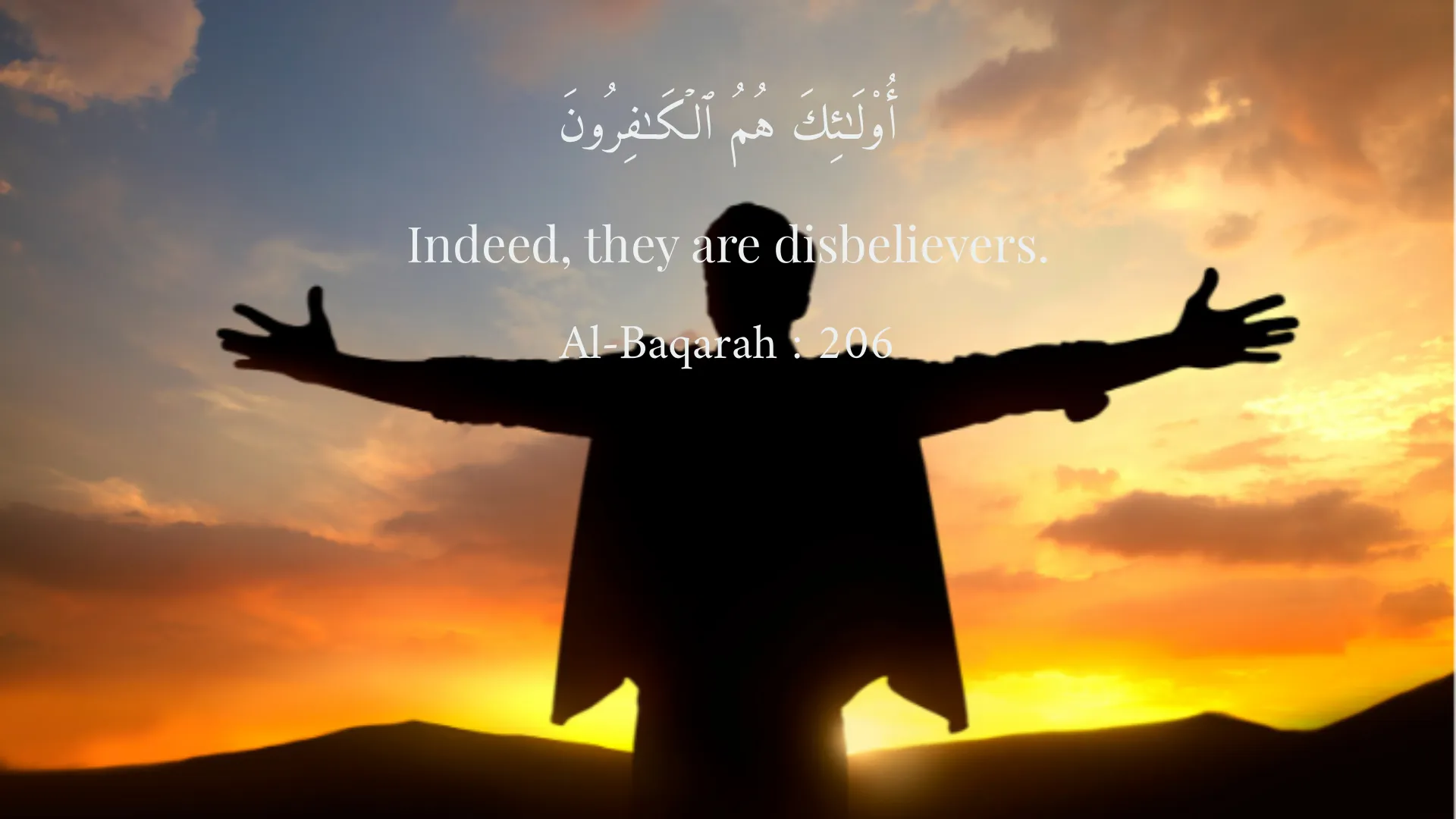
أُو۟لَـٰئِكَ هُمُ ٱلۡكَـٰفِرُونَ
Indeed, they are disbelievers.
Al-Baqarah : 206
وَقُولُوا لِلنَّاسِ حُسْنًا
And speak to people good [words].
An-Nisa : 36
Short Story
One day, a young man named Amir reflected on his character and realized he needed to differentiate between self-esteem and pride. He remembered the verses of the Quran and decided to strengthen his self-esteem. From that day forward, Amir made an effort to treat his friends with respect and never considered himself superior to others. This change not only enhanced his self-love but also brought him deeper friendships.