Quranic Answer
Religious obsession and religious precision are two interrelated concepts that often find themselves at the crossroads of spirituality and doctrine. However, their implications on an individual's faith and how one interacts with the divine and with others in their community can vary dramatically. Understanding the distinction between these two terms is crucial for authentic spiritual development and maintaining a balanced religious life. Religious obsession can be characterized as an overwhelming and sometimes irrational fixation on religious obligations, fears of wrongdoing, or an excessive preoccupation with religious rituals. This state of mind often manifests as intense anxiety, compulsive behaviors, and an overarching sense of dread pertaining to one's faith. For example, an individual consumed by religious obsession might spend an inordinate amount of time worrying about whether they performed a prayer correctly or if their intentions are pure enough for acceptance by God. Such obsessive thoughts can lead not only to a strained relationship with the divine but can also take a toll on emotional and mental health. This obsession can create barriers to genuine spiritual connection and understanding, often leading the individual to withdraw from communal worship and the essence of religion itself. In stark contrast, religious precision relates to the conscientiousness and attentiveness towards one's faith and the actions associated with it. It implies a deep understanding and respect for the teachings of one's faith. For example, in the context of Islam, religious precision involves striving to fulfill the duties and commandments as laid out in the Quran and Hadith while maintaining the recognition of the significance of these actions. This precision is about honoring the teachings of the faith and upholding its principles with diligence, reflecting a sincere commitment to God and the teachings of the religion. This behavior supports spiritual growth and enriches one's life through the values and principles of the faith, enhancing both personal and communal experiences. In the Holy Quran, the message of balance is prevalent. Surah Al-Ma'idah, verse 90, highlights the issue of misconception and emphasizes that believers should not let their doubts overshadow their faith. Allah commands that believers focus on their spiritual development and maintain a clear connection to their intentions and beliefs. This divine guidance serves as a reminder that the essence of religion is not solely about following rituals but engaging meaningfully with the divine will and living out the values taught by the faith. Similarly, Surah Al-Baqarah, verse 173, advocates against wrongful actions and stresses that adherence to divine commandments should not lead individuals to make irrational choices. The directives found in the Quran advocate for a nuanced approach—while religious precision fosters a deep, meaningful connection with one's faith, obsession may disturb this connection. Religion should act as a guiding light, bringing peace rather than anxiety. The dichotomy between obsession and precision highlights the fine line between being committed to one’s faith and becoming consumed by it. The manifestations of each state of mind can have profound implications on how an individual interprets their religious life, interacts with others, and engages in broader society. For instance, the obsessive individual may not just struggle internally but may also influence those around them. They might project their fears and worries onto their community, potentially leading to judgment or unnecessary guilt among peers. Conversely, an individual embodying religious precision may uplift and inspire others through their quiet strength and commitment. They can serve as a beacon of hope and clarity for those around them, demonstrating the beauty of a balanced approach to faith. The importance of cultivating a sense of tranquility and balance in religious practice cannot be overstated. Meditation, prayer, community engagement, and the continuous pursuit of knowledge can be vital in preventing the pitfalls of obsession. Engaging with a mentor or spiritual guide can also provide invaluable perspective, helping one to discern the difference between productive diligence and counterproductive obsession. These practices allow individuals to reconnect with the heart of their faith, fostering a supportive environment where doubt can be navigated positively. Moreover, religious communities play a pivotal role in this narrative. A supportive religious environment can reinforce positive aspects of faith while minimizing the risks of obsession. Communities that promote learning, understanding, and acceptance can cultivate a healthy balance among their members, encouraging growth rather than anxiety based on rigid adherence to dogma. Thus, in the broader context of religious life, it becomes imperative to foster communities that uplift rather than condemn, emphasize understanding rather than judgment, and transform obsession into precision. In summary, distinguishing between religious obsession and religious precision is vital for the fulfillment and growth of one's spiritual journey. While precision enables a deeper understanding and engagement with faith, religious obsession can derail individuals from achieving genuine religious satisfaction and connection with God. The teachings within the Holy Quran emphasize that maintaining a balanced approach—where one can express devotion while simultaneously keeping peace of mind—is essential for a harmonious spiritual life. As believers navigate their path, a commitment to balance and understanding can help ensure that they stay true to their faith while fostering healthy relationships in both their personal and communal spheres. Let us strive to embody this balance, honoring our commitments to our faith without allowing obsession to cloud our spiritual journey.
Related Verses
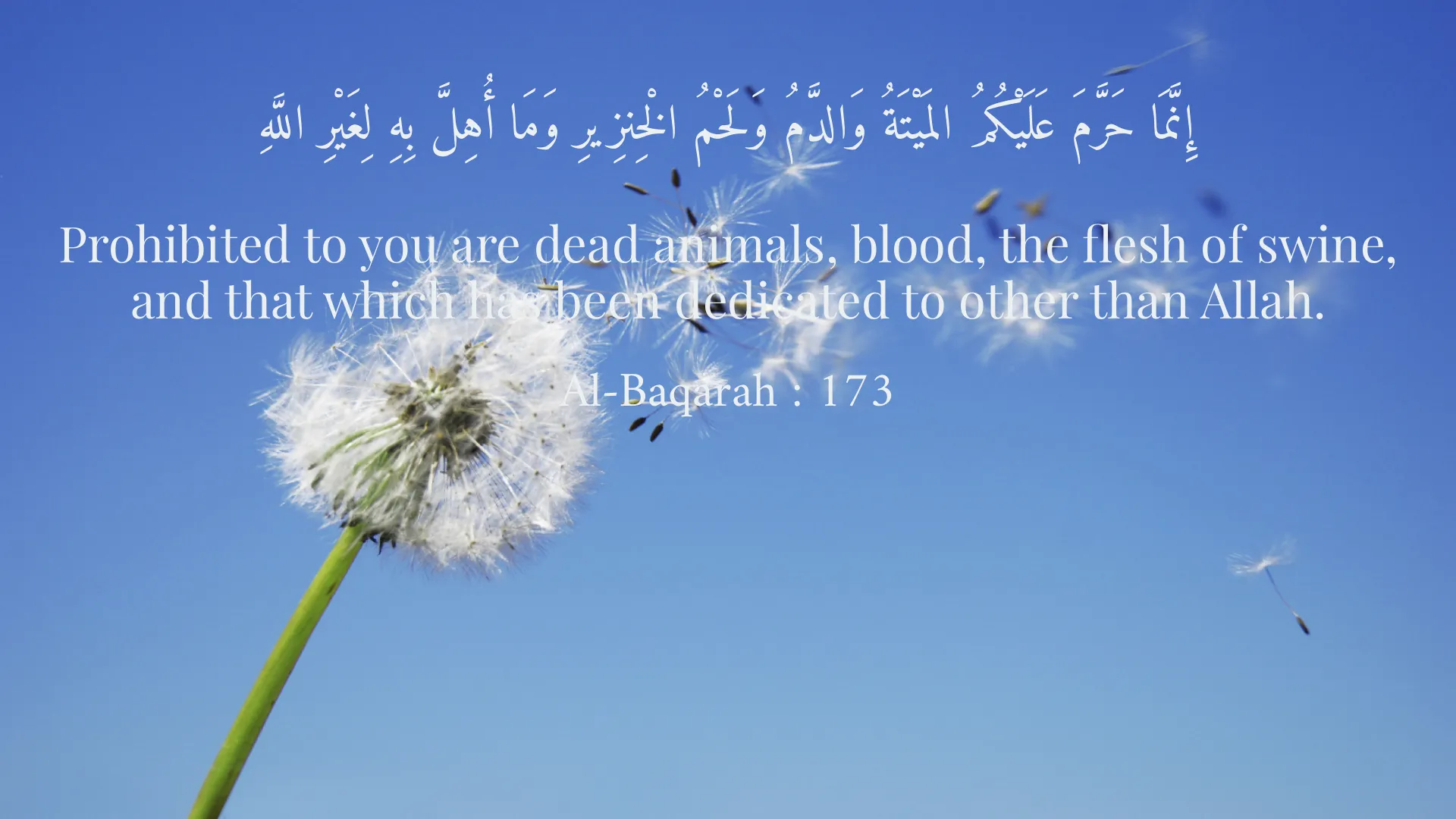
إِنَّمَا حَرَّمَ عَلَيْكُمُ المَيْتَةُ وَالدَّمُ وَلَحْمُ الْخِنزِيرِ وَمَا أُهِلَّ بِهِ لِغَيْرِ اللَّهِ
Prohibited to you are dead animals, blood, the flesh of swine, and that which has been dedicated to other than Allah.
Al-Baqarah : 173
يَا أَيُّهَا الَّذِينَ آمَنُوا إِنَّمَا الْخَمْرُ وَالْمَيْسِرُ وَالْأَنْصَابُ وَالْأَزْلَامُ رِجْسٌ مِّنْ عَمَلِ الشَّيْطَانِ فَاجْتَنِبُوهُ لَعَلَّكُمْ تُفْلِحُونَ
O you who have believed, indeed, intoxicants, gambling, [sacrificing on] stone alters [to other than Allah], and divining arrows are but defilement from the work of Satan, so avoid it that you may be successful.
Al-Ma'idah : 90
Short Story
One day, Adel was reflecting on his religious values. He wanted to understand whether he had sufficient precision in his spiritual practices or had fallen into religious obsession. After reading verses of the Quran, he concluded that he should pay more attention to his worship while avoiding extremes. He decided to approach his obligations with a more cheerful spirit and set aside unnecessary worries. This way, he helped steer his life towards tranquility and satisfaction.