Quranic Answer
Hidden arrogance can indeed be one of the significant barriers to spiritual and moral growth. While it often lurks in the shadows of our consciousness, its effects are pervasive and damaging, not just to ourselves, but also to our relationships with others and, more importantly, our relationship with God. In Islam, humble submission to Allah is a cornerstone of faith, and any semblance of arrogance contradicts this fundamental value. The Holy Quran serves as a guiding light, warning us repeatedly about the dangers associated with pride and arrogance. These warnings are imbued with wisdom, serving as a reminder of the psychological and spiritual pitfalls of egotism. One of the key verses regarding this issue is Surah Al-Baqarah, verse 13, which states: "And when it is said to them, 'Believe as the people have believed,' they say, 'Should we believe as the foolish have believed?' Indeed, it is they who are the foolish, but they do not know." This verse highlights how some individuals, despite confronting clear signs of truth, refuse to accept them due to their entrenched pride and arrogance. This illustrates that arrogance can cloud judgment, leading individuals away from enlightenment and understanding. The refusal to acknowledge spiritual truths out of a sense of superiority indicates how hidden arrogance operates as an internal barrier, preventing personal and communal growth. In essence, the more we refuse to acknowledge the imperfections within ourselves, the more we allow arrogance to take root. In striving to achieve spiritual excellence, being aware of our emotions and behaviors is paramount; it requires us to be introspective and self-critical. This kind of self-awareness allows us to identify and address the signs of hidden arrogance, which can fester quietly if left unchecked. One effective way to guard against the pitfalls of pride is to cultivate a mindset of humility. By reminding ourselves of the futility of arrogance, we can regain perspective and acknowledge that we are all equal in the eyes of the Almighty. In the Quran, Surah Al-Furqan, verse 63, Allah praises the humility of his servants, stating: "And the servants of the Most Merciful are those who walk upon the earth humbly, and when the ignorant address them [harshly], they say [calmly], 'Peace!'" This verse not only sets a standard for behavior but provides a framework for interpersonal relations. It encourages us to adopt a calm and composed demeanor in the face of ignorance and to respond to unkindness with peace. Reflecting on this verse can help us steer clear of arrogance while encouraging humility in our daily interactions with others. Furthermore, in our journey towards humility, it is essential to acknowledge our shortcomings. The act of recognizing that we are fallible creatures before Allah can significantly aid us in avoiding pride. Our imperfections are a part of our shared human experience, and they remind us of our need for divine guidance and support. Surah Al-An'am, verse 165 reminds us that "Those who wronged themselves and see themselves as superior to others will not receive Allah's guidance." This serves as a stark reminder that arrogance can lead to self-deception, particularly in the spiritual context where recognizing our lowly state is vital for redemption. To further dissect the inner workings of hidden arrogance, it is crucial to understand its psychological underpinnings. Arrogance often stems from insecurity or an inadequacy of self-worth; individuals may project an image of superiority to mask their inner vulnerabilities. In this regard, the Quran offers invaluable insight—not just spiritual teachings, but a deep understanding of human psychology. The tendency to look down upon others can be a reflection of the unresolved issues within ourselves. By addressing our shortcomings and understanding that we are nothing without Allah's mercy, we can dismantle the scaffold of arrogance that keeps us from spiritual growth. Moreover, the principle of servitude to Allah reinforces the necessity for humility. Being a servant of Allah entails recognizing that our strengths, talents, and abilities are bounties bestowed upon us for which we should be grateful, not prideful. Surah Al-Imran, verse 139 states, "And do not lose hope, nor be sad; you will surely be victorious if you are believers." The assurance contained within these verses demonstrates that our faith will ultimately guide us to the truth, as long as we remain grounded in humility. Additionally, hidden arrogance can also impact societal dynamics. When individuals allow pride to inform their actions and attitudes, this can lead to divisions, misunderstandings, and conflicts within communities. The egocentric mindset fosters an atmosphere of competition rather than collaboration; the tendency to elevate oneself above others stymies mutual respect and compassion. Consequently, as individuals work to combat hidden arrogance within themselves, they contribute to the overall spiritual and moral health of their communities. In conclusion, the struggle against hidden arrogance is not a mere personal endeavor but a significant aspect of Islamic teaching. The Quran provides a roadmap for navigating the complexities of human emotions and behaviors, emphasizing humility, self-awareness, and introspection as crucial tools in combating pride. By keeping these principles in mind and consistently reflecting upon our attitudes, we align ourselves closer to Allah and foster positive relationships with those around us. As believers, we must remember that the journey towards moral and spiritual growth is a continual process, requiring vigilance against the intoxicating allure of arrogance. In doing so, we can begin to cultivate a deeper sense of peace, connection, and serenity, fulfilling our role as humble servants of the Most Merciful.
Related Verses
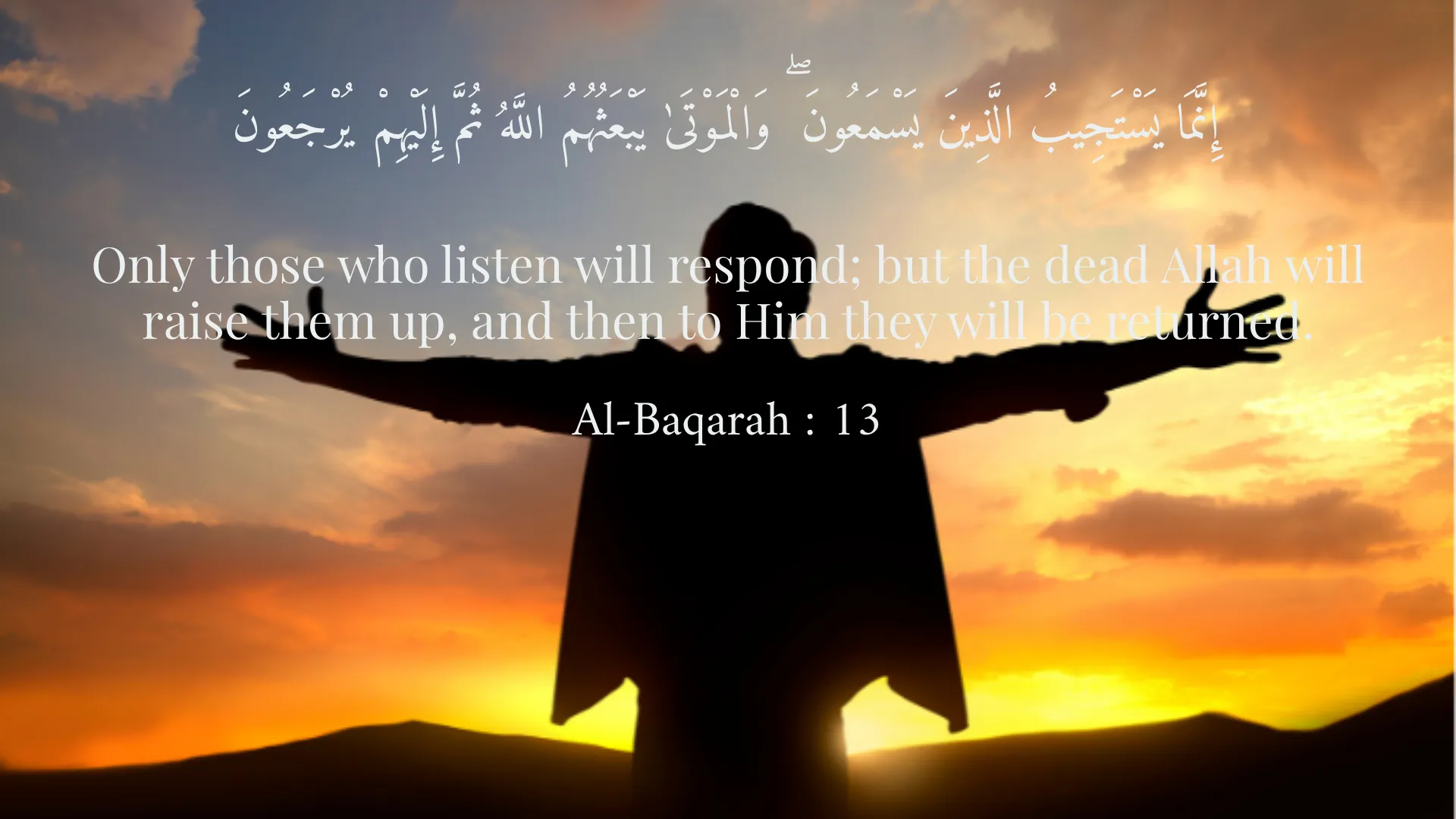
إِنَّمَا يَسْتَجِيبُ الَّذِينَ يَسْمَعُونَ ۖ وَالْمَوْتَىٰ يَبْعَثُهُمُ اللَّهُ ثُمَّ إِلَيْهِمْ يُرْجَعُونَ
Only those who listen will respond; but the dead Allah will raise them up, and then to Him they will be returned.
Al-Baqarah : 13
وَعِبَادُ الرَّحْمَـٰنِ الَّذِينَ يَمْشُونَ عَلَى الْأَرْضِ هَوْنًۭا وَإِذَا خَاطَبَهُمُ الْجَاهِلُونَ قَالُوا سَلَامًۭا
And the servants of the Most Merciful are those who walk upon the earth humbly, and when the ignorant address them [harshly], they say [calmly], 'Peace!'
Al-Furqan : 63
وَهُوَ الَّذِيَ جَعَلَكُمْ خَلَائِفَ فِي الْأَرْضِ وَرَفَعَ بَعْضَكُمْ فَوْقَ بَعْضٍۭ دَرَجَـٰتٍ لِّيَبْلُوَكُمْ فِي مَا آتَـٰكُمْ ۚ إِنَّ رَبَّكَ سَرِيعُ الْعِقَابِ ۖ وَإِنَّهُ لَغَفُورٌ رَّحِيمٌ
And it is He who has made you successors upon the earth and has raised some of you above others in degrees [of rank] that He may try you in what He has given you. Indeed, your Lord is swift in penalty, but indeed, He is Forgiving and Merciful.
Al-An'am : 165
Short Story
Once upon a time, a man wished to serve his Creator. He helped others with humility and never saw himself as superior. His behavior earned him respect from others, leading him to great successes in life. One day, he pondered whether he too was safe from hidden arrogance. He decided to remind himself daily that giving charity and helping others was a way to distance himself from self-importance. This story teaches us that humility and serving others are the keys to success and distancing from pride.