Quranic Answer
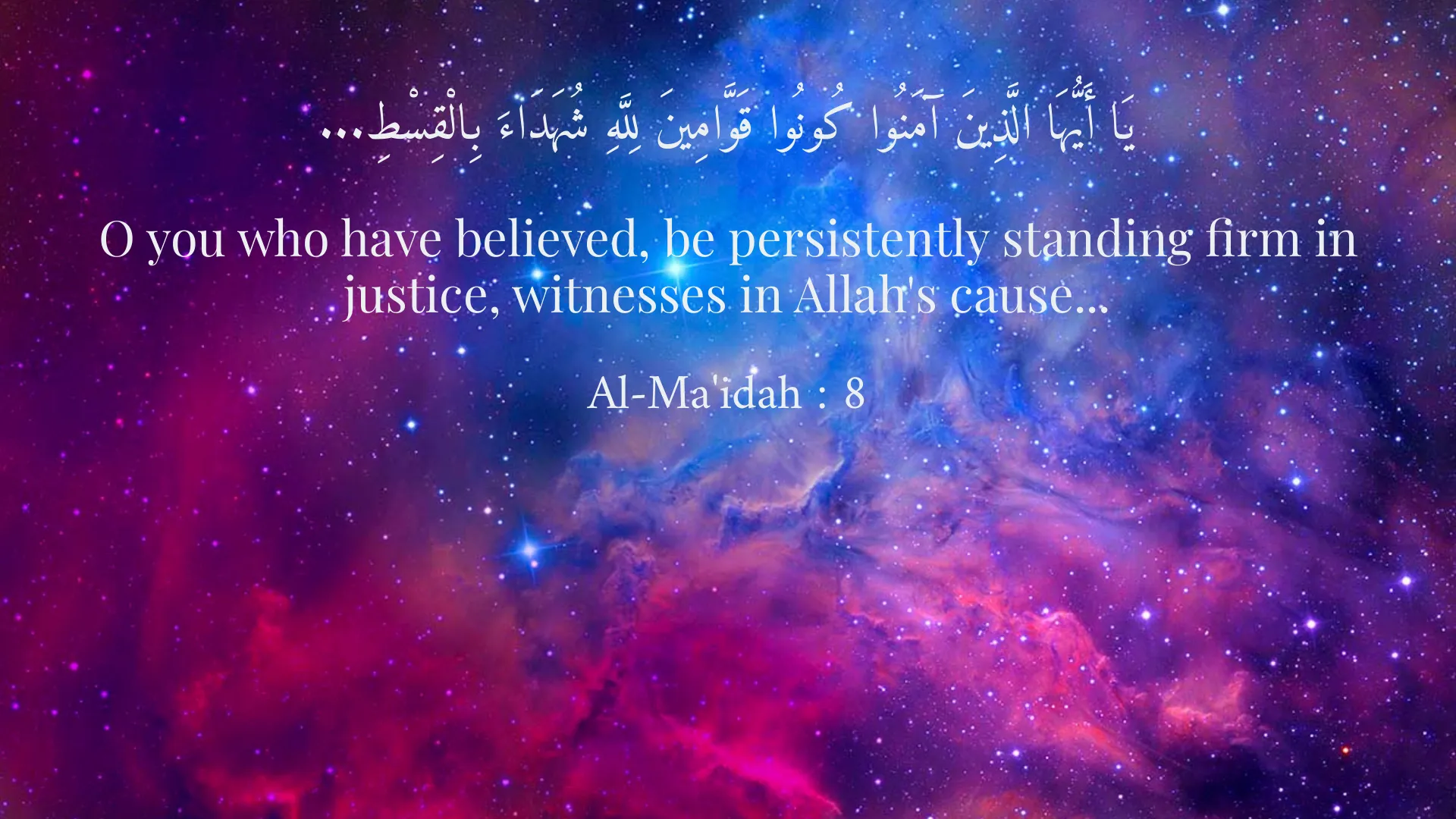
Honesty is one of the fundamental moral traits that must be ingrained in children from an early age. Creating a strong foundation of honesty in children is necessary for their development as responsible and respected individuals in society. This virtue not only shapes their personal character but helps create a society built on trust, respect, and accountability. The significance of honesty is often highlighted in various religious texts, and one powerful source that emphasizes its importance is the Holy Quran. In Surah Al-Ma'idah, verse 8, Allah states, "O you who have believed, be persistently standing firm in justice, witnesses in Allah's cause..." This verse underscores the crucial role of upholding justice and truthfulness, setting a moral standard that families should strive to embody. The concept of honesty transcends cultures and belief systems; it is a universal value that fosters positive relationships among individuals. When parents encourage their children to be honest, they are essentially nurturing this vital quality, helping them learn the importance of truthfulness in all situations. One effective method for instilling honesty is for parents themselves to exemplify truthful behavior. Children are highly impressionable and often mimic the actions and attitudes of the adults around them. Therefore, if parents consistently communicate honest messages in their interactions with their kids, children are more likely to adopt this behavior in their own lives. In addition to modeling honesty, parents can employ various strategies to reinforce the importance of truthfulness in their children. For instance, discussing the positive outcomes of honesty can help children comprehend its value. Parents can share examples from their own lives or classic stories that illustrate the benefits of being honest, such as how honesty garners trust from others while simultaneously providing feelings of goodness and peace within oneself. Acknowledging moments when children practice honesty, as well as rewarding them for truthful behavior, can further solidify this trait. Children need to feel encouraged and appreciated for their honest efforts, as this reinforcement instills self-confidence in their communication and moral choices. Moreover, the Quran speaks to the broader implications of honesty, particularly regarding trust among individuals. In Surah Al-Baqarah, verse 283, it states: "And do not be like those who say, 'We have heard' while they do not hear." This verse serves as a reminder for individuals to engage in truthful speech. Creating an environment of open dialogue and communication at home allows children to grow up feeling secure to speak their minds, ask questions, and express their thoughts without fear of reprimand. This openness is essential because it helps children understand their moral responsibilities and the impact of their words. Ultimately, creating a conscious and loving environment at home is a crucial first step in raising honest children. Parents must cultivate a space where honesty is celebrated, where discussions about integrity and ethics are frequent, and where children understand that honesty is integral to their character development. This loving environment should also invite active listening, empathy, and respect for others' perspectives—factors that reinforce the values of honesty and integrity. Honesty is influenced not only by parental guidance but also by the societal context in which children grow up. Exposure to diverse environments allows children to witness varying degrees of honesty in action. Communities that emphasize ethical behavior and respect for one another further cement the lessons learned at home. For instance, educational institutions that promote values of integrity tend to nurture students into responsible and trustworthy adults. Schools play an instrumental role in furthering this education; including lessons on the importance of honesty in their curricula fosters a broader understanding, making the topic a pivotal aspect of a child's educational journey. Parents can also engage their children in community service or volunteer activities, reinforcing the idea that honesty and integrity extend beyond the personal sphere and into the community. The importance of social responsibility cannot be overstated; when children see the positive effects of honest behavior in community interactions—whether through service, friendship, or teamwork—they learn that honesty contributes to the greater good and that their actions can positively impact others. Additionally, consistent communication involving discussions related to honesty can prevent misunderstandings. Openly addressing situations where honesty is challenged allows parents and children to navigate together through moral dilemmas, enhancing the child's critical thinking skills in ethical matters. When children learn to approach challenges with honesty, they will be better equipped to handle complex situations as they navigate through adolescence and into adulthood. In conclusion, honesty is an indispensable moral trait that should be cultivated from a young age. The teachings of the Holy Quran underscore the significance of truthfulness, providing a solid foundation from which parents can build this virtue in their children. By exemplifying honesty, creating an encouraging environment, and engaging in open conversations about integrity, parents can effectively nurture the importance of this vital quality in their children. In doing so, they contribute to the development of a generation that values trust, respect, and accountability—a generation that is not only honest in their dealings but also committed to fostering these values within the broader community.
Related Verses
يَا أَيُّهَا الَّذِينَ آمَنُوا كُونُوا قَوَّامِينَ لِلَّهِ شُهَدَاءَ بِالْقِسْطِ...
O you who have believed, be persistently standing firm in justice, witnesses in Allah's cause...
Al-Ma'idah : 8
وَلَا تَكُنُوا كَالَّذِينَ قَالُوا سَمِعْنَا وَهُمْ لَا يَسْمَعُونَ
And do not be like those who say, 'We have heard' while they do not hear.
Al-Baqarah : 283
Short Story
One day, a mother saw her son telling a story. She thought how wonderful it would be if her child never told lies. In a conversation with him, she said, "Do you know how important honesty is?" and shared stories of honest characters with him. Her son listened eagerly and realized that being honest brought him closer to his friends and gave him more peace.