Quranic Answer
In today's fast-paced world, where every moment is accompanied by challenges, economic anxieties, professional pressures, and social conflicts, adhering to ethical principles and preserving moral virtues can be one of the greatest tests of faith and humanity. The Holy Quran, as a guiding book and a charter for human life, offers comprehensive and profound solutions for maintaining ethics amidst these storms. These solutions not only help individuals resist temptations and external pressures but also lead them towards inner peace and divine satisfaction. One of the most fundamental pillars for ethical resilience against pressures is the concept of "patience" (Sabr). The Quran emphasizes the importance of patience in numerous verses. For instance, in Surah Al-Baqarah, verse 153, it states: "O you who have believed, seek help through patience and prayer. Indeed, Allah is with the patient." Patience here does not merely mean passive endurance of hardships; rather, it signifies active steadfastness on the path of truth, perseverance in worship, and resistance against sin. An individual under pressure might be tempted to resort to unethical means, such as lying, betrayal, bribery, or oppressing others, to escape their problems. Patience empowers them to remain firm on their principles during these critical moments, instead of succumbing to greed or fear. Patience enables one to weigh the long-term consequences of their actions and to understand that divine reward for ethical steadfastness is far superior to any fleeting worldly gain. This type of patience requires self-discipline and deep self-awareness, enabling one to control anger in the face of extreme difficulties, avoid hasty decisions, and always uphold justice and fairness. The Quran's emphasis on Sabr highlights that true strength lies not in immediate gratification or escaping hardship through illicit means, but in enduring and acting virtuously, knowing that ultimate relief and reward come from Allah. This profound understanding transforms perceived weaknesses into opportunities for spiritual growth and moral strengthening. Alongside patience, "prayer" (Salat) and the "remembrance of Allah" (Dhikr) serve as vital spiritual pillars that strengthen one's moral foundation. As mentioned in the verse from Surah Al-Baqarah, prayer and remembrance are tools for seeking Allah's help. Prayer is not merely a religious obligation; it is a daily pause for connecting with the Creator, purifying the soul, and recalling the ultimate purpose of life. In Surah Al-Ankabut, verse 45, we read: "Recite, [O Muhammad], what has been revealed to you of the Book and establish prayer. Indeed, prayer prohibits immorality and wrongdoing, and the remembrance of Allah is greater. And Allah knows that which you do." This verse clearly states that prayer plays a deterrent role against indecency and wrongdoing (unethical acts). The continuous remembrance of Allah throughout the day, through Dhikr and contemplation of divine verses, keeps the heart illuminated and prevents individuals from slipping into sin. When a person, amidst life's pressures, constantly remembers that Allah is present and observing their actions, they are less likely to be drawn towards unethical conduct. Prayer and Dhikr provide a spiritual sanctuary where individuals can find relief from anxieties and stresses, and with reliance on Allah, choose the right path. These spiritual practices ground a person, offering a sense of perspective that transcends immediate difficulties and aligns their actions with divine commandments. "Taqwa" or God-consciousness is another crucial factor emphasized extensively in the Quran, ensuring ethical stability. Taqwa means having a constant awareness of Allah's presence and safeguarding oneself from anything that displeases Him. A person with Taqwa refrains from unethical actions even in solitude, when no one else is watching, because they know that Allah is always observing their deeds. This intrinsic sense of responsibility acts as a strong barrier against pressures that might push one towards illegal or illicit means. Taqwa grants an individual insight to distinguish right from wrong, enabling them to choose the path of justice and honesty even in the most complex situations. It is Taqwa that provides an inner strength to combat greed, envy, malice, and other moral vices, fostering virtues like forgiveness, generosity, and compassion. This deep-seated fear and love for Allah translates into proactive ethical behavior, transforming potential pitfalls into stepping stones for moral excellence, reinforcing the idea that true success is measured by righteousness, not worldly gain. "Reliance on Allah" (Tawakkul) is also one of the most important ways to cope with life's pressures and maintain ethics. When an individual genuinely relies on Allah, they are freed from worries about the future, livelihood, and other worldly matters. The Quran states in Surah At-Talaq, verse 3: "And whoever relies upon Allah – then He is sufficient for him. Indeed, Allah will accomplish His purpose. Allah has already set for everything a [decreed] extent." This reliance assures individuals that their sustenance and the resolution of their problems are in Allah's hands, not contingent upon violating ethical principles. When a person is confident that Allah will suffice for them, they are less inclined to lie for profit, oppress for power, or infringe upon the rights of others to maintain their position. Tawakkul brings profound tranquility to an individual, freeing them from the shackles of material concerns, enabling them to make ethical and sound decisions with a clear mind and a peaceful heart. This steadfast belief in divine providence allows one to prioritize moral integrity over perceived worldly necessities, knowing that ultimate provision and protection come from the Almighty. Finally, remembering the "ultimate purpose of life" and "Hereafter rewards" also plays a key role in adhering to ethics. The Quran repeatedly emphasizes that worldly life is fleeting and impermanent, and what remains are righteous deeds and good character. Understanding that the true reward for steadfastness on the path of truth and preserving ethics against temptations will be in the Hereafter creates a powerful motivation for individuals. This insight helps them forgo small, fleeting worldly gains in pursuit of divine pleasure and eternal bliss. This perspective empowers individuals to act more strongly when faced with pressures that might push them towards unethical behavior. For instance, in difficult economic situations, a person might be tempted to earn money through unhealthy means, but by remembering the Hereafter's reward and the consequences of sin in the afterlife, they save themselves from this temptation. This long-term vision shifts the focus from immediate gratification to enduring righteousness, providing a robust framework for ethical decision-making under duress. In summary, adhering to ethics despite life's pressures is a spiritual and faithful journey that requires powerful tools, including patience, prayer and remembrance, Taqwa (God-consciousness), reliance on Allah, and a deep understanding of the transient nature of this world and the rewards of the Hereafter. The Holy Quran, by expounding these concepts, provides comprehensive and complete guidance for every human being who wishes to keep the light of ethics burning in their life under all circumstances. By acting upon these teachings, one can not only overcome external pressures but also attain inner peace and divine satisfaction, achieving success in this world and the Hereafter. This is a blessed path that leads to a meaningful and purposeful life, preventing individuals from falling into the abyss of immorality and regret.
Related Verses
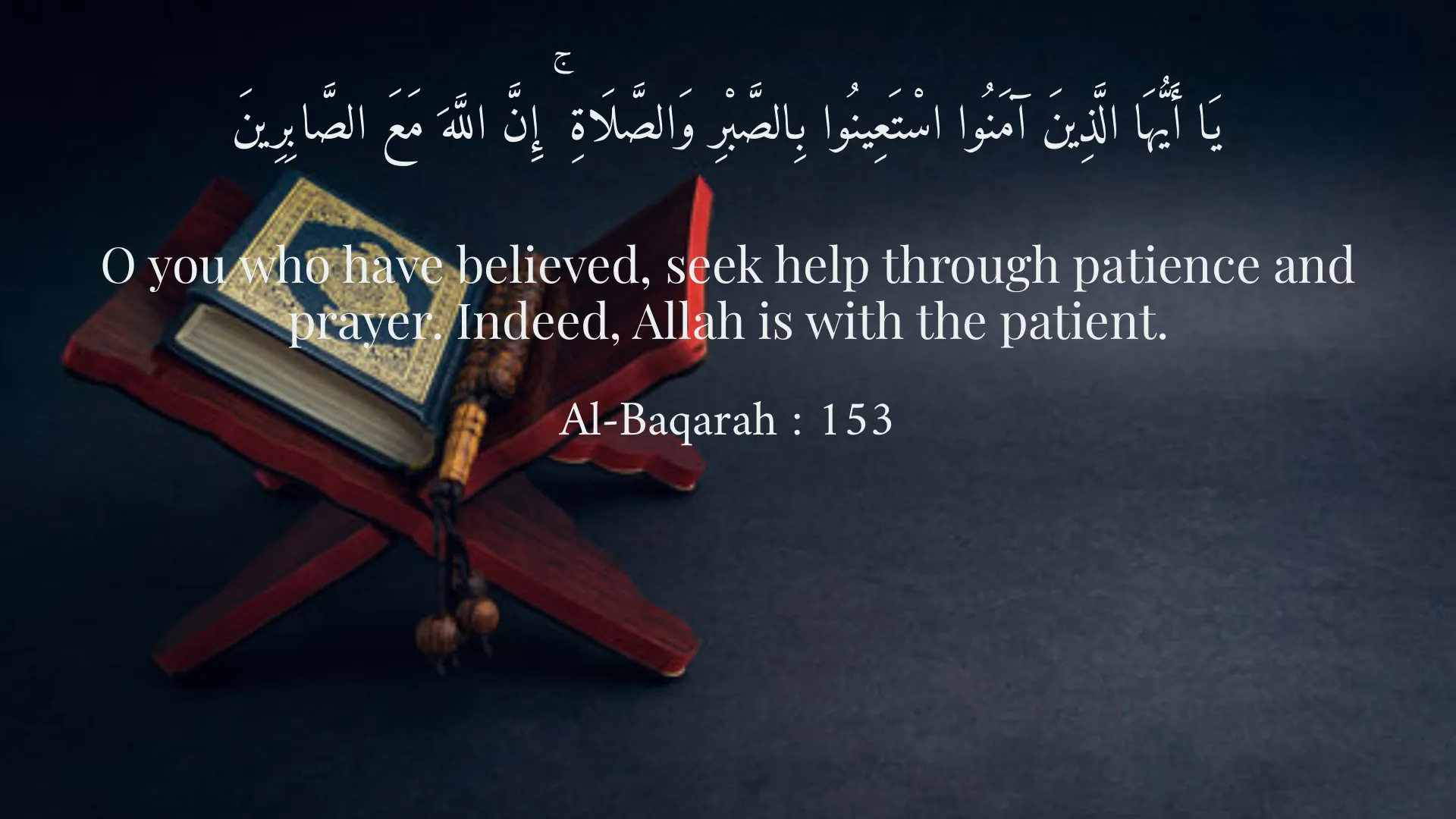
يَا أَيُّهَا الَّذِينَ آمَنُوا اسْتَعِينُوا بِالصَّبْرِ وَالصَّلَاةِ ۚ إِنَّ اللَّهَ مَعَ الصَّابِرِينَ
O you who have believed, seek help through patience and prayer. Indeed, Allah is with the patient.
Al-Baqarah : 153
اتْلُ مَا أُوحِيَ إِلَيْكَ مِنَ الْكِتَابِ وَأَقِمِ الصَّلَاةَ ۖ إِنَّ الصَّلَاةَ تَنْهَىٰ عَنِ الْفَحْشَاءِ وَالْمُنْكَرِ ۗ وَلَذِكْرُ اللَّهِ أَكْبَرُ ۗ وَاللَّهُ يَعْلَمُ مَا تَصْنَعُونَ
Recite, [O Muhammad], what has been revealed to you of the Book and establish prayer. Indeed, prayer prohibits immorality and wrongdoing, and the remembrance of Allah is greater. And Allah knows that which you do.
Al-Ankabut : 45
وَمَن يَتَوَكَّلْ عَلَى اللَّهِ فَهُوَ حَسْبُهُ ۚ إِنَّ اللَّهَ بَالِغُ أَمْرِهِ ۚ قَدْ جَعَلَ اللَّهُ لِكُلِّ شَيْءٍ قَدْرًا
And whoever relies upon Allah – then He is sufficient for him. Indeed, Allah will accomplish His purpose. Allah has already set for everything a [decreed] extent.
At-Talaq : 3
Short Story
In ancient times, there lived a merchant named "Salim," renowned for his honesty and trustworthiness. Times grew hard for him, and his trade suffered a severe recession, so much so that his wealth dwindled, and poverty approached him. His friends, seeing him in distress, offered suggestions that, though they might alleviate his suffering, carried a taint of deceit and cunning. One said, "O Salim, your customers are unaware of your absence; sell old goods at new prices to escape this predicament." Another said, "Be a bit harsh with your neighbors to collect their debts faster." But Salim, with a cheerful face and a trusting heart, smiled and said, "The provider is God, and my integrity is my true capital. How can I squander the jewel of ethics for fleeting worldly goods?" He spent his nights in prayer and supplication, and his days, with reliance on God and greater effort, sought lawful sustenance. It wasn't long before the fame of his trustworthiness and patience reached the city's dignitaries. A wealthy merchant, having heard of Salim's virtues, partnered with him and provided capital. Salim, with the same good character and honesty, revitalized his trade and was rescued from the poverty that surrounded him, thanks to his adherence to ethics. He always used to say, "The pressures of this world are a divine test, and who can emerge from God's test triumphant except with good character?"