Quranic Answer
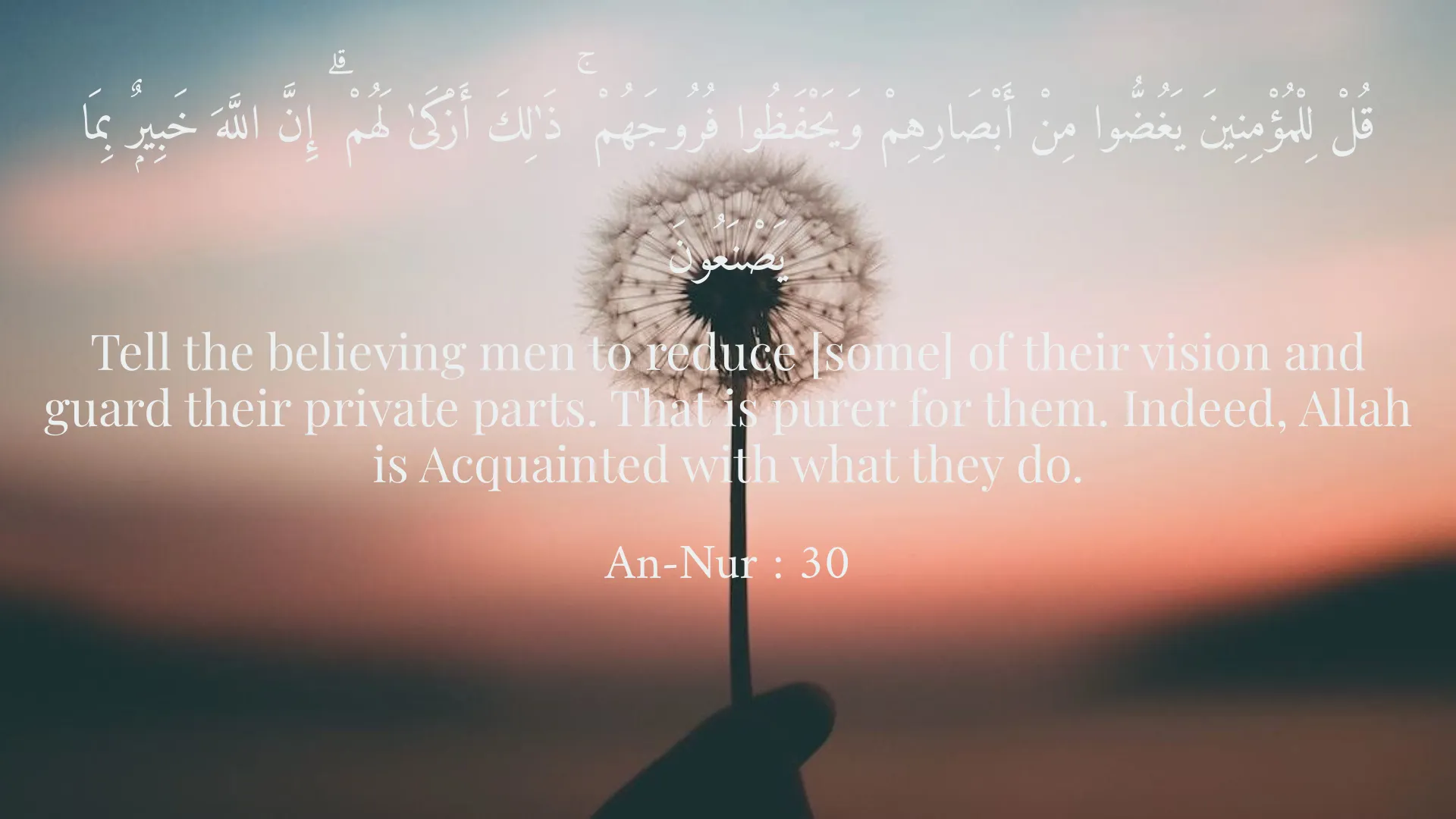
Resisting sexual temptation is one of the significant struggles in human life, and the Holy Quran provides valuable insights on this matter. In contemporary society, where the bombardment of sensual imagery and provocative themes is a daily occurrence, individuals often find themselves at a crossroads between their desires and moral convictions. The Quran, as a guide for humanity, offers profound wisdom that can aid individuals in navigating these tumultuous waters. In Surah An-Nur, verse 30, Allah instructs men to lower their gaze and guard their chastity. This directive is not merely a restriction but rather a protective measure aimed at preserving one's dignity and integrity. The act of lowering one's gaze is a conscious decision that helps individuals to avoid succumbing to their carnal desires. By shunning inappropriate visual stimuli, men can cultivate a mindset that fosters respect towards themselves and others. This guidance recognizes that visual perception significantly impacts one's thoughts and feelings, and that unrestrained exposure to alluring sights can lead one down a path of moral decay. Furthermore, this verse underscores the importance of conscious effort in maintaining chastity. In a world where sexual allure is pervasive, individuals often face numerous challenges that can test their resolve. The Holy Quran addresses this reality by urging believers to actively engage in self-control and discipline. This call to action is not just for men but serves as a universal message for all individuals to be vigilant against the temptations that can lead to destructive behaviors. Moreover, in Surah Al-Imran, verse 14, it states: 'Beautified for people is the love of that which they desire - of women and sons, heaped-up sums of gold and silver.' This verse sheds light on the inherent nature of human desires and acknowledges that attraction to worldly possessions and relationships is a natural sentiment. Acknowledging these feelings is important; however, the Quran urges individuals to remain vigilant and maintain control over themselves. The distinction between healthy desire and destructive lust is a critical one; the former can inspire individuals to form meaningful relationships, while the latter can lead to moral degradation and societal issues. The balance between enjoying worldly pleasures and practicing restraint is vital for holistic well-being. Striving for this balance requires a conscious effort and self-awareness. People are encouraged to reflect on their desires and contemplate their origins rather than repress them completely. This introspective approach can lead to healthier outlets for those feelings rather than allowing them to fester and manifest destructively. In Surah Al-Mu’minun, verses 29 and 30, it is stated that the servants of Allah are those who exercise self-control regarding their passions. The importance placed on self-restraint speaks volumes about the value of discipline in personal conduct. The Quran encourages believers to embrace a mindset of moderation and accountability, reminding them of their greater purpose as servants of the divine. Distinguishing between fleeting passion and lasting commitment is essential for spiritual and personal growth. Importantly, the Quran also provides spiritual remedies for those grappling with temptation. Additionally, prayer and the remembrance of Allah are recognized as methods to strengthen the spirit and diminish temptations. In Surah Al-Baqarah, verse 45, Allah states, 'And seek help through patience and prayer.' This articulation of prayer as a means of assistance implies that spiritual practices can bolster one’s resolve and clarity amidst temptation. Engaging in prayer serves several purposes – it is both a form of communication with Allah and an opportunity for reflection and mindfulness. Through prayer, individuals can seek guidance, express their struggles, and renew their intentions to remain steadfast in their commitments. Moreover, prayer fosters a sense of community and belonging, as individuals often partake in collective acts of worship that reinforce the values of purity and piety. Additionally, the remembrance of Allah, or Dhikr, serves to keep the faithful aware of His presence in their lives. It reminds believers of their values and obligations, thus acting as a deterrent against succumbing to lustful temptations. This mindfulness can generate a sense of peace and stability, granting individuals the inner strength to resist urges that may lead to moral compromise. In conclusion, resisting sexual temptation is a multifaceted challenge that requires awareness, discipline, and a strong connection with the divine. The Holy Quran provides profound insights into this struggle, offering practical guidance on maintaining chastity and fortifying oneself against the trials posed by worldly desires. By adhering to the teachings of lowering the gaze, exercising self-control, positioning oneself within a supportive community, and seeking strength through prayer and remembrance, individuals can cultivate a life of integrity and moral clarity. These Quranic principles serve not only as a form of spiritual medicine but also as a framework for living a balanced and purposeful life. The journey towards resisting temptation is ongoing, but with the wisdom of the Quran as a guiding light, individuals can navigate their struggles with greater confidence and awareness.
Related Verses
قُلْ لِلْمُؤْمِنِينَ يَغُضُّوا مِنْ أَبْصَارِهِمْ وَيَحْفَظُوا فُرُوجَهُمْ ۚ ذَٰلِكَ أَزْكَىٰ لَهُمْ ۗ إِنَّ اللَّهَ خَبِيرٌۭ بِمَا يَصْنَعُونَ
Tell the believing men to reduce [some] of their vision and guard their private parts. That is purer for them. Indeed, Allah is Acquainted with what they do.
An-Nur : 30
زُيِّنَ لِلنَّاسِ حُبُّ الشَّهَوَاتِ مِنَ النِّسَاءِ وَالْبَنِينَ وَالْقَنَاطِيرِ الْمُقَنطَرَةِ مِنَ الذَّهَبِ وَالْفِضَّةِ
Beautified for people is the love of that which they desire - of women and sons, heaped-up sums of gold and silver.
Al-Imran : 14
وَاسْتَعِينُوا بِالصَّبْرِ وَالصَّلَاةِ ۚ إِنَّ اللَّهَ مَعَ الصَّابِرِينَ
And seek help through patience and prayer. Indeed, Allah is with the patient.
Al-Baqarah : 45
Short Story
One day, a young man named Yusuf found himself struggling with sexual temptations. He decided to seek counsel from a religious scholar. The wise scholar advised him, 'My son, pay attention to the verses of the Quran and devote more time to daily prayers and supplications.' From that day forward, Yusuf began to pray and remember Allah, finding more tranquility in his life. The temptations gradually lessened for him, and he was able to overcome his desires.