Quranic Answer
The Holy Quran is a profound text that provides not only spiritual guidance but also practical advice for navigating the myriad temptations that arise in life, particularly those associated with power and authority. In our modern world, where the allure of power can lead to moral decay and ethical dilemmas, the Quran's teachings serve as a crucial reminder of the need for self-awareness, humility, and a steadfast commitment to divine principles. One of the significant verses that address human trials is found in Surah Al-Baqarah, verse 154: 'And We will surely test you with something of fear and hunger and a loss of wealth and lives and fruits, but give good tidings to the patient.' This verse encapsulates the essence of human experience, suggesting that life is filled with challenges designed to test our resilience and faith. It emphasizes that fear, hunger, loss, and trials are not mere inconveniences to be avoided but fundamental aspects of life that can lead to spiritual growth and deeper connections with Allah. In times of adversity, it is vital to remember that these tests serve a purpose. They are reminders to turn our hearts and minds towards Allah, seeking solace in prayer and meditation on the Quran's teachings. This reliance on divine guidance is not just recommended but is essential for one’s spiritual well-being. Furthermore, in Surah At-Tahrim, verse 6, it is stated: 'O you who have believed, protect yourselves and your families from a Fire.' This verse advises believers to take proactive measures to safeguard themselves and those they love from spiritual and moral pitfalls. The 'Fire' mentioned here is often interpreted as the consequences of straying from Allah’s path, which can stem from succumbing to temptations related to power and authority. Thus, the emphasis on family protection highlights the communal aspect of faith. It reminds us that our actions and decisions can have ripple effects on those around us. By fostering a spiritually aware environment within our families, we can create a buffer against the temptations of the world. This involves instilling moral values, encouraging open discussions about ethical dilemmas, and emphasizing collective responsibility. Moreover, reflecting on the lessons marked throughout history, particularly those found in the stories of the prophets, can serve as a significant tool for resisting the seduction of power. The life of Prophet Solomon is a prime example of this dynamic. Known for his unparalleled authority and wisdom, Solomon was nonetheless cognizant of his accountability to God. Despite possessing immense power, he distanced himself from the arrogance that often comes with authority. Instead, he consistently recognized that his gifts were a test from Allah and acted with humility and gratitude. Prophet Solomon’s narrative teaches us that while authority can lead to temptation, it does not have to define us. One can hold a position of power while upholding human and divine values by remaining grounded and self-reflective. The importance of accountability cannot be overstated; recognizing that one's actions will ultimately be judged by a higher power is a humbling thought that can guide leaders in their decisions. In contemporary contexts, power is often associated with control, influence, and material wealth. Such pursuits can easily lead individuals down a path filled with ethical compromises and moral failures. Yet, the Quran encourages believers to resist these temptations. The crux of maintaining integrity lies in the strength of one’s character and convictions. This can be cultivated through continuous prayer, sincere repentance, and by seeking help from Allah during testing times. Prayer, in particular, serves as a powerful tool for reinforcing one’s commitment to divine values. It allows believers to communicate directly with Allah, seeking guidance and strength to resist the undermining forces of temptation. Repentance is equally vital; it acknowledges human fallibility and the need for divine forgiveness. This act of turning back to Allah, regardless of past mistakes, embodies the essence of Islamic teachings and is a source of hope and renewal. Moreover, seeking help from Allah emphasizes a vital aspect of faith: humility. Acknowledging our limitations and vulnerabilities is a sign of strength, as it opens the door to receiving divine assistance. This divine help may manifest in various forms, from inner tranquility amid chaos to support through community ties or even extraordinary occurrences that guide us back to the right path. In conclusion, the teachings of the Quran remind us of the importance of confronting temptations, particularly those linked to power and authority. As we navigate through life’s challenges, we are called to uphold divine principles and human values through patience, prayer, and steadfastness. The trials we face serve not only as tests but also as opportunities for spiritual growth and reaffirmation of our faith. By prioritizing our relationship with Allah and fostering ethical living, we can rise above the seductive nature of power and cultivate a life filled with purpose, accountability, and devotion to what is true and just. In remembering the stories of the past, we find guidance for our present and future, allowing us to live in a way that honors the divine teachings of the Holy Quran.
Related Verses
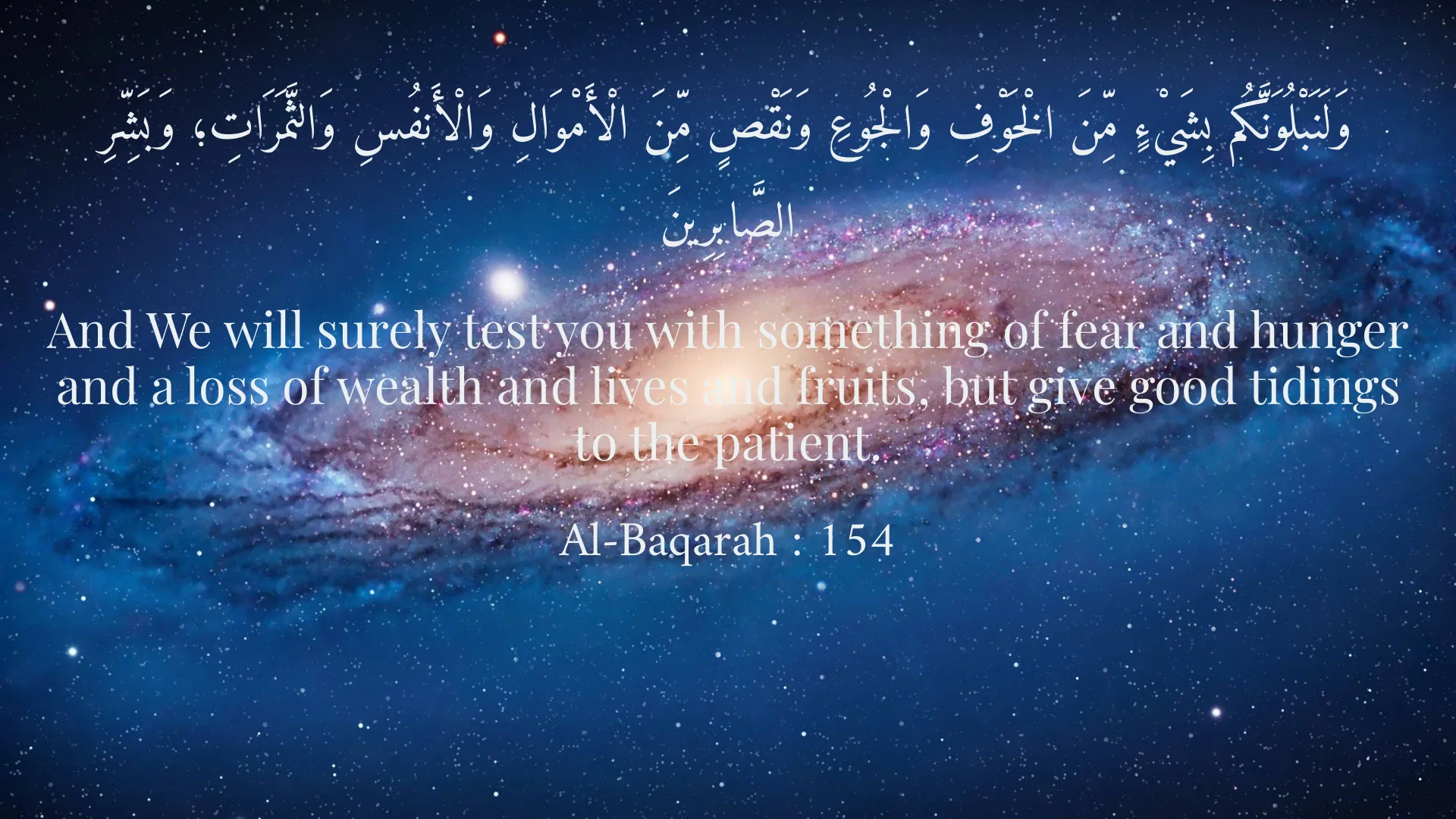
وَلَنَبْلُوَنَّكُم بِشَيْءٍ مِّنَ الْخَوْفِ وَالْجُوعِ وَنَقْصٍ مِّنَ الْأَمْوَالِ وَالْأَنفُسِ وَالثَّمَرَاتِ؛ وَبَشِّرِ الصَّابِرِينَ
And We will surely test you with something of fear and hunger and a loss of wealth and lives and fruits, but give good tidings to the patient.
Al-Baqarah : 154
يَا أَيُّهَا الَّذِينَ آمَنُوا قُوا أَنفُسَكُمْ وَأَهْلِيكُمْ نَارًا
O you who have believed, protect yourselves and your families from a Fire.
At-Tahrim : 6
Short Story
One day, Jesus asked a young man, 'How can you resist the temptation of power?' The young man replied, 'By remembering God.' Jesus smiled and said, 'That's true, but don't forget to pray sincerely in difficult times.' The young man, through life's experiences, learned that by relying on God and praying abundantly, he could overcome such temptations.