Quranic Answer
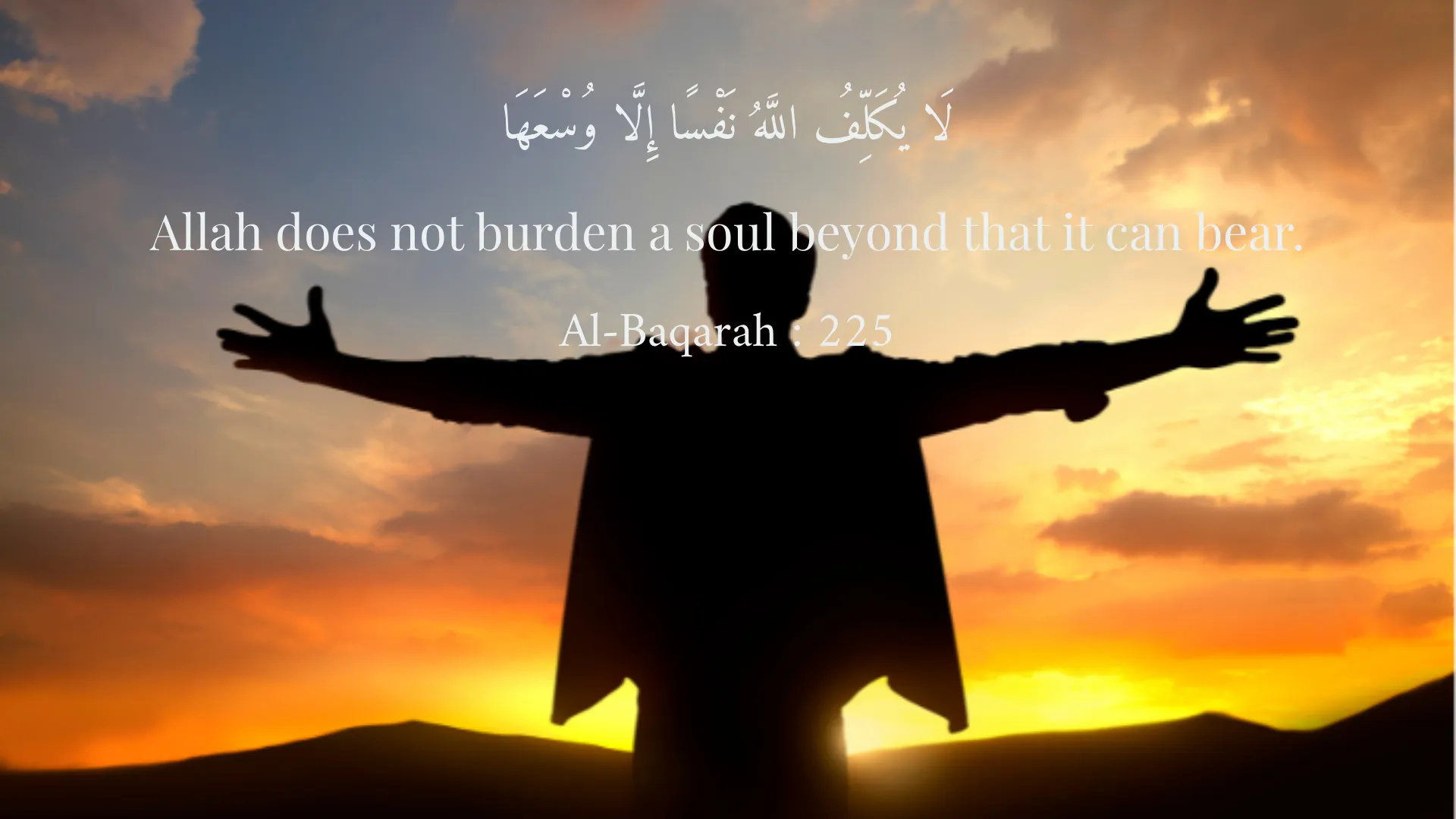
The Concept of Intentions in the Holy Quran: A Deep Dive into Spiritual Accountability In the realm of spirituality and moral guidance, the Holy Quran serves as an inexhaustible source of wisdom for millions of Muslims around the world. One of the most profound themes woven throughout this sacred text is the importance of intentions that reside in the heart of every human being and the intricacy with which these intentions are intertwined with actions. Understanding this relationship is crucial for anyone seeking to cultivate a virtuous life aligned with divine expectations. This article will explore the teachings of the Quran concerning intentions and the implications they carry for human behavior, as well as the spiritual consequences of harboring negative thoughts. ### The Burden of Accountability: Al-Baqarah 2:225 The Quran explicitly addresses the intentions of the heart and the actions that stem from them. One of the most powerful verses that illustrate God's understanding of human limitations is found in Surah Al-Baqarah, verse 225: 'Allah does not burden a soul beyond that it can bear.' This assertion provides an essential foundation for believers, as it highlights the compassionate nature of God, who is fully aware of the inherent limitations of His creations. This verse serves as a reminder that individuals will not be held accountable for actions that exceed their capacity or understanding. It emphasizes that God recognizes the intentions that may drive us to act or refrain from acting, and that these intentions are significant when it comes to accountability. Thus, the pathway to righteousness begins with nurturing pure intentions, for these intentions, in turn, inform actions that contribute to a just life. ### The Sovereignty of God: Al-An'am 6:164 In addition to the understanding of burdens, Surah Al-An'am, verse 164 states: 'And no soul dies except by permission of Allah at a decree determined.' This verse beautifully encapsulates the divine sovereignty of Allah, reminding believers that every aspect of life, including the intentions that reside within us, exist under the watchful gaze of God. This understanding reinforces the notion that God is aware of all thoughts and inclinations, thereby adding an extra layer of importance to the way believers should cultivate their intentions. Individuals do not simply navigate through a realm of actions without divine oversight; their inner thoughts, desires, and motivations do not escape God's attention. Thus, it is crucial to recognize that intentions—be they pure or malevolent—do carry weight, as God discerns them, regardless of whether or not these intentions manifest into action. ### The Dangers of Evil Intentions The Quran warns against the dangers of harboring negative or evil intentions. As mentioned in Surah Al-Baqarah, verse 276, 'Allah mocks them.' This verse reveals God's disdain for those who nurture evil thoughts in their hearts. The imagery of God mocking individuals illustrates the gravity of their intentions; it is not enough to simply avoid malicious actions if one is filled with wicked thoughts. From a spiritual standpoint, having evil intentions can act as a seed of wickedness, one that, if nourished, may grow and manifest into further negative thoughts and ultimately harmful actions. The Quran highlights this critical dynamic to disclose that the internal state of our hearts is indicative of the lives we lead. Evil intentions could eventually lead individuals down a dark path, causing spiritual decay and a departure from divine guidance. ### The Nature of Sin and Its Psychological Impact Thus, a bad intention—though it may exist solely as a thought without any accompanying action—should not be dismissed or underestimated. From a Quranic perspective, even conceiving negative intentions is significant enough to be regarded as a sin. The ramifications of nurturing ill-willed thoughts can extend beyond mere spiritual consequences, carrying tangible repercussions on an individual’s psyche and emotional state. Bad intentions can lead to anxiety, guilt, and an overall sense of discord within oneself. This notion reinforces the concept of spiritual accountability; one's internal world plays an essential role in shaping their external reality. Muslims are encouraged to reflect on their thoughts continuously, ensuring that their hearts are free from malice. This reflective practice aids in maintaining a clean conscience and healthy mental well-being. ### The Call for Mindfulness and Purity of Intention In light of these discussions, it is evident that all Muslims should strive to stay away from negative thoughts and cultivate positive intentions. Being mindful of one's intentions is an active practice, one that requires self-awareness, discipline, and the ongoing effort to align thoughts with moral truths. Practicing mindfulness entails a commitment to internal reflection and the evaluation of one’s motivations behind actions. This spiritual practice does not only aid believers in their personal journeys towards righteousness and fulfillment but it also fosters genuine connections with others, as pure intentions allow for more authentic interactions. Moreover, the significance of intentions can be illustrated through the concept of Niyyah, or 'intention' in Arabic, which is critically important in Islamic practices. Many acts of worship are rendered invalid without sincere intention, showcasing how Allah values the heart’s disposition above mere actions. Striving to achieve clarity and purity in one’s heart ensures that every deed aligns with divine principles and serves as a testament to one’s faith. ### Conclusion In conclusion, the Holy Quran sheds light on the vital connection between the intentions of the heart and subsequent human actions. Verses such as 2:225 and 6:164 emphasize Allah's understanding of the human condition and His awareness of inner thoughts. Individuals are reminded of the importance of nurturing pure intentions and the dangers of negative thoughts, which could escalate into harmful actions. This spiritual framework equips believers with the understanding that accountability extends beyond actions and encompasses the motivations that guide them. In a world where intentions can often be overlooked, Muslims are called to exercise vigilance over their hearts, fostering a nurturing environment for positive thoughts to thrive, ultimately leading to a more righteous and fulfilling life.
Related Verses
لَا يُكَلِّفُ اللَّهُ نَفْسًا إِلَّا وُسْعَهَا
Allah does not burden a soul beyond that it can bear.
Al-Baqarah : 225
وَمَا كَانَ لِنَفْسٍ أَنْ تَمُوتَ إِلَّا بِإِذْنِ اللَّهِ كِتَابًا مُؤَجَّلًا
And no soul dies except by permission of Allah at a decree determined.
Al-An'am : 164
اللَّهُ يَسْتَهْزِئُ بِهِم
Allah mocks them.
Al-Baqarah : 276
Short Story
One day, a man was walking down a street when he came across a shop filled with stolen items. A bad intention crossed his mind to take one of those items, but he quickly realized that such an act would be wrong and could lead to dire consequences. He decided to walk away from that place, thus saving himself with a pure intention.